
Kentucky powered America once. It can help power the AI era too | Opinion
Artificial intelligence is quickly becoming one of the most important forces shaping the future of the United States. It will influence national security, energy demand, manufacturing, health care, logistics, education, and economic competition. But behind every AI model is something physical: land, power, cooling, transmission, workers, water, roads, security, and community support.
That means America’s AI future is not just a software issue. It is an infrastructure issue.
Right now, the national conversation around AI is often focused on algorithms, chips, regulation, and competition with China. Those issues matter. But the less glamorous question may be just as important: where are we going to build the physical infrastructure required to support AI growth, and are we building it in a way that strengthens the country instead of straining it?
AI data centers require enormous amounts of electricity. They also create major cooling demands, require reliable fiber connectivity, and can place pressure on local utilities, water resources, and transmission systems. If these facilities are planned poorly, they can become a burden on communities. If they are planned strategically, they can become engines of economic development, energy modernization, and national resilience.
Kentucky and Appalachia should be part of that national strategy.
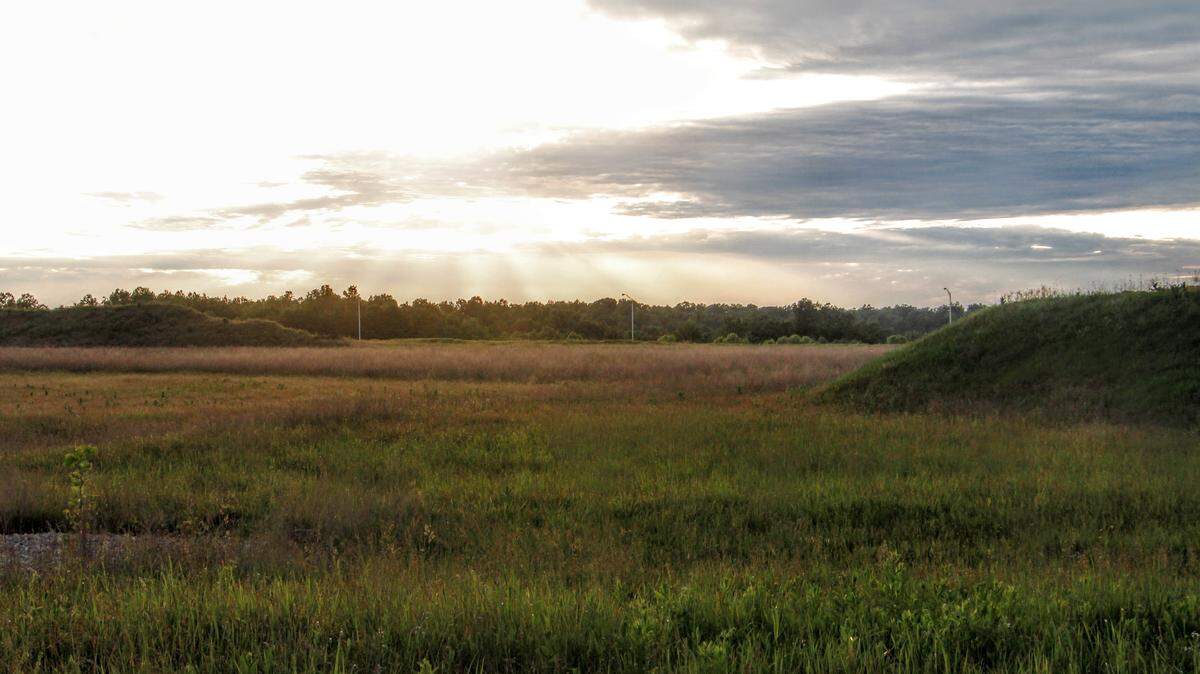
For generations, communities across Kentucky and Appalachia helped power the country through coal, natural gas, manufacturing, rail, and heavy industry. Many of these same regions now have underused industrial parks, former mine lands, brownfield sites, existing utility corridors, rail access, skilled tradespeople, and communities that need long-term economic opportunity. These are not weaknesses. They are strategic assets.
Instead of concentrating AI infrastructure only in already-overloaded technology hubs, the United States should identify and develop regional AI infrastructure zones in places with available land, industrial history, power access, and workforce potential. Kentucky is well positioned for this conversation because it sits near major population centers, logistics routes, automotive manufacturing, defense-related industries, and energy infrastructure.
But this opportunity should not be approached carelessly. Communities deserve more than vague promises about “jobs” while local power bills rise or water resources are strained. Any serious AI infrastructure strategy must answer hard questions before development begins.
Where will the power come from? Will transmission upgrades benefit the public or only the data center? Will local utilities be protected from ratepayer burden? Can waste heat be reused? Can closed-loop or near-waterless cooling reduce pressure on water resources? Can development be directed toward brownfields, industrial parks, and previously disturbed land instead of prime farmland? Can local technical schools, community colleges, and contractors be connected to the workforce pipeline? Can these projects strengthen national security while also strengthening the communities that host them?
These challenges are not insurmountable. Data centers do not have to be designed around unlimited withdrawals of freshwater or total dependence on an already strained electrical grid. Closed-loop cooling systems can recirculate water and substantially reduce ongoing water consumption, while other advanced cooling technologies can further limit demand on local water supplies. On the energy side, large AI infrastructure projects should be evaluated alongside dedicated or expanded generation capacity rather than simply being connected to the grid and leaving existing customers to absorb the consequences. Small modular nuclear reactors could eventually provide reliable, around-the-clock power for major computing campuses, while locally available natural gas generation could provide another dependable option where appropriate. A diversified energy strategy—including nuclear power, natural gas, existing grid resources, and other regionally suitable sources—could help support AI growth while strengthening energy independence and reducing the burden placed on surrounding communities.
That is the kind of planning America needs now.
A smart AI infrastructure policy should prioritize adaptive reuse. Across the country, vacant industrial sites, former manufacturing facilities, underused business parks, and post-mining lands could be evaluated for power availability, cooling potential, fiber access, environmental suitability, and community impact. Not every site will qualify. But many deserve serious review before new greenfield development becomes the default.
This is also a national-security issue. The United States cannot afford to build critical AI infrastructure in a fragile, overly concentrated, or politically reactive way. Compute capacity, energy resilience, and data-center geography will influence defense readiness, intelligence capabilities, emergency response, industrial productivity, and technological competitiveness.
The United States should develop a national AI infrastructure readiness map, identifying locations where power, land, workforce, cooling, and community conditions align. It should create standards that protect ratepayers, encourage water-conscious cooling, promote local hiring, and give preference to sites that reuse industrial land. Local communities should have a seat at the table early, not after deals are already made.
The goal should not be to chase every data center proposal. The goal should be to attract the right projects in the right places under the right terms.
America is entering an era where digital power depends on physical power. The states and regions that understand this first will help shape the next economy. Kentucky and Appalachia have already powered America once. With the right planning, they can help power the AI era too.
But this time, the strategy must be deliberate. The benefits must be local as well as national. And the infrastructure must be built not just fast, but wisely.
Justin Trout, Prestonsburg