
Herald-Leader endorsement: In some of Fayette’s most important jobs, here are our school board choices.
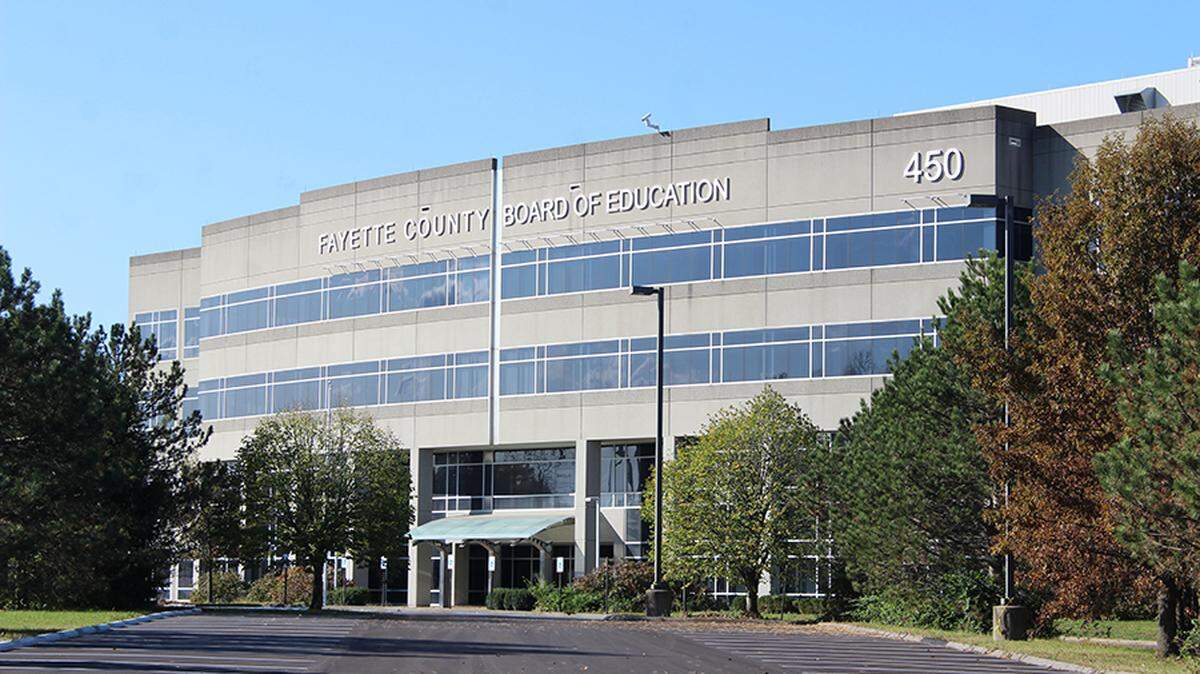
As we all know, the Fayette County Board of Education is in charge of our educating our most precious resource: our children.
It’s a complicate charge, directing an $800 million budget for 42,000 students in 71 schools and programs led by 3,000 teachers. Like many districts around the country, the school board faces numerous questions about its spending, its facilities, its results. There is probably no more important job in the county than the people who oversee this important challenge. Given the gravity of the charge, they must be able to tell their constituents exactly what they are doing and they must hold their employees accountable.
It’s a difficult job, but here are the candidates we believe will be the most successful at it.
District 1: Monica Mundy
Both Marilyn Clark and Monica Mundy care deeply about the students and teachers of Fayette County Public Schools.
But we are giving the edge to Mundy because she has a focused determination to challenge the status quo based on her own experiences with the district.
Mundy got involved with education the way most of us do, through her own child. Her daughter was at the fledgling science program for girls, Rise Stem, placed at the old Linlee Elementary, and basic supplies were often in demand. So Mundy joined the PTA to help out, and learned about all the other needs Rise had, along with other schools.
Then in March, parents were notified that despite being promised the program would continue through middle school, it was stopping at fifth. The magnet application window already had closed.
Mundy decided she and other parents needed more transparency and accountability from the school system, and the best way she could get it was by running for the school board.
Mundy, an associate professor at the University of Kentucky’s Department of Human Environmental Sciences, studies teacher well-being, particularly how to alleviate stress and burnout. She wants to see more evidence of financial transparency from the district to concerned parents, more evidence of help to the district’s most vulnerable students, and, even more improvement in student achievement.
She is more than willing to demand answers to many questions parents have about these issues, which is why we are endorsing her.
District 3: Penny Christian
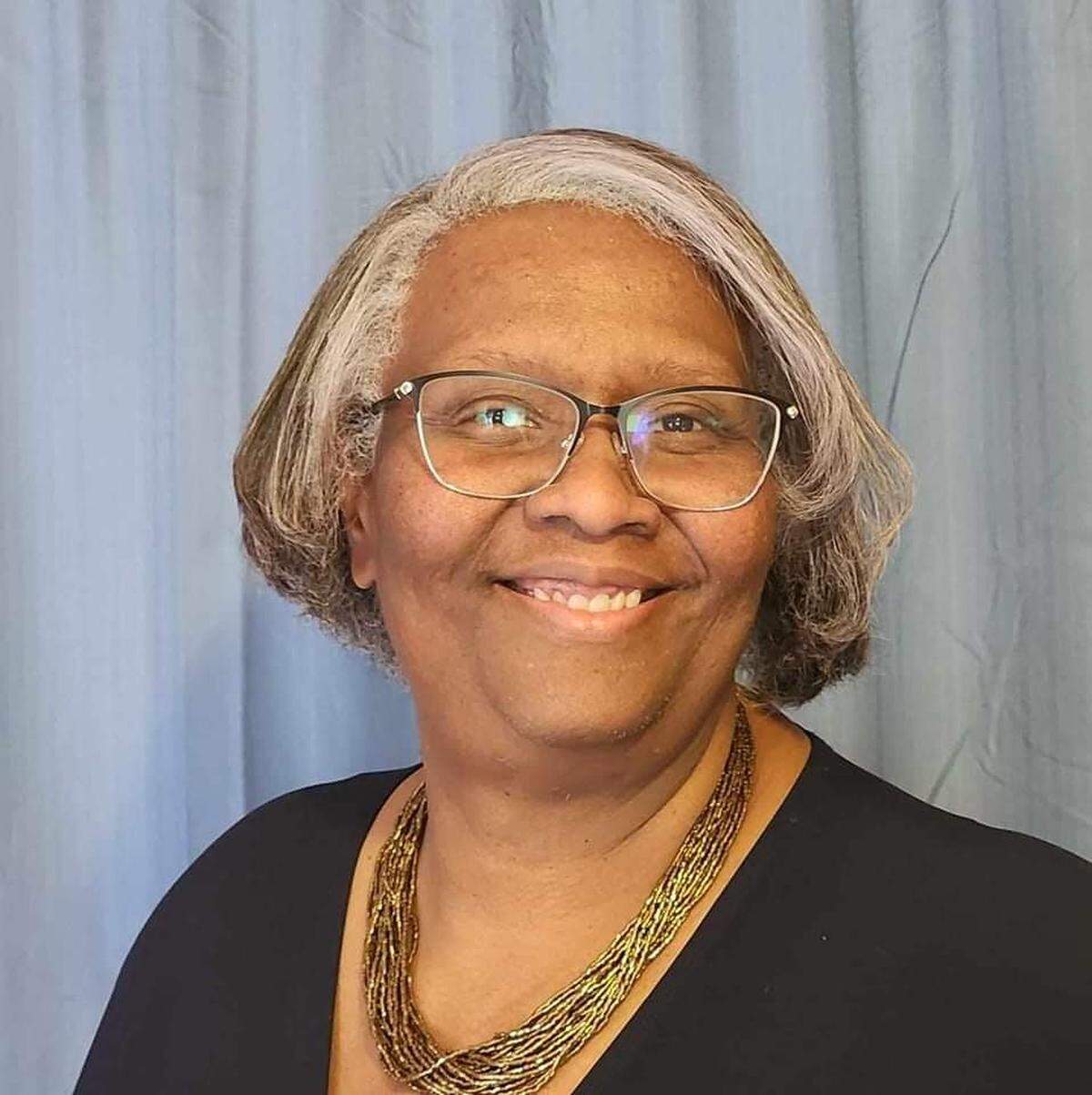
It’s inspiring to see the number of people who care enough about our public schools to run for school board, and the District 3 candidates are no exception. Penny Christian, Danny Everett and Isaac Sebourn are to be commended for their willingness to step forward.
But it’s an easy choice for us to endorse Christian because we know her from many years of fierce advocacy for children across Fayette County, across Kentucky and across the United States.
Christian’s four daughters attended Fayette public schools. She started in their schools’ PTAs, then moved on to the presidency of the 16th District PTA in Fayette County from 2019-2021. She served as Vice President of Leadership Outreach for the Kentucky PTA and is a legislative committee member for the National PTA.
She also has been deeply involved with the Prichard Committee for Academic Excellence, particularly its Institute for Parent Leadership.
Christian understands the micro view of schools and the macro view of issues that affect education nationally. She is, as she says “for the babies,” and will not let anyone get in the way of making sure they get the best education possible.
She is concerned about equity, that a child at Booker T. Washington gets the same curriculum and teaching excellence as at Cassidy Elementary, and vows to fight for every child in the district, not just the one she represents. She is concerned about administrative bloat and financial transparency at the district level, but also believes that in a growing district, staff and teachers must be supported.
People have asked her to run for school board before, but she was reluctant to do before her youngest daughter had left for college. We are glad to she made the decision to run and wholeheartedly support her candidacy.
District 5: Amy Green
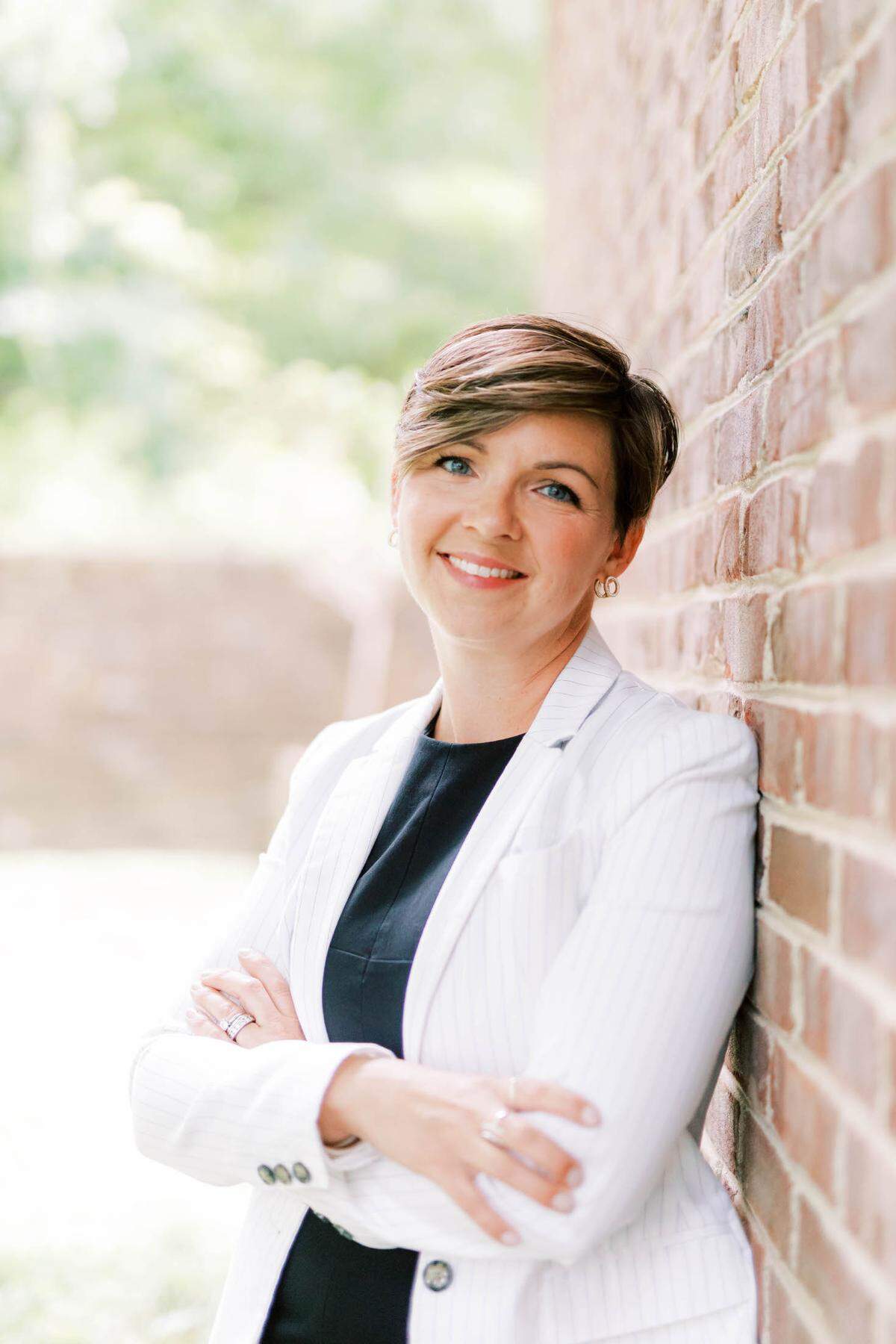
District 5 also has an excellent choice to make between Amy Green and Betsy Rutherford, a retired principal.
Rutherford has worked at schools around the district, most of them with filled with some of Fayette’s most vulnerable students. The work she did to raise achievement at Russell Cave Elementary in particular is commendable.
But we are giving the edge to Green, a former teacher herself who has spent the past two years educating herself about the district. She has also been willing to ask questions and hold the administration accountable.
She is celebrating Fayette’s recent gains on state test scores, but is also pushing for better achievement across the district. She’s also justifiably proud of teacher pay raises and supply stipends for classroom supplies — “because good teaching moves the needle despite socioeconomic factors.”
Green also touts the new paid parental leave policy and a concentration on the district’s many deferred maintenance needs.
The school board needs to ask tough questions of its one employee, Superintendent Demetrus Liggins, but board members also need to do more than throw bombs and make an effort to work together for the good of our children.
We believe Green can find that balance, and are endorsing her for the seat.
BEHIND THE STORY
MOREWhy we endorse
Newspapers have a long history of political endorsements that give voters more insight into candidates before casting their ballots. Read more about why the Herald-Leader values this process before elections.
Why endorsements are important
The Herald-Leader believes the tradition of candidate endorsements enhances interest and participation in the civic process, whether readers agree with the newspaper’s recommendations or not. The paper has unusual access to candidates and their backgrounds, and considers part of its responsibility to help citizens sort through campaign issues and rhetoric.
An endorsement represents the consensus of the editorial board. The decisions have no connection to the news coverage of political races and is wholly separate from journalists who cover those races.
Unendorsed candidates can respond with 250-word letters that will be published as soon as possible.
This story was originally published October 24, 2024 at 11:25 AM.