
Serious, at last, on pension crisis
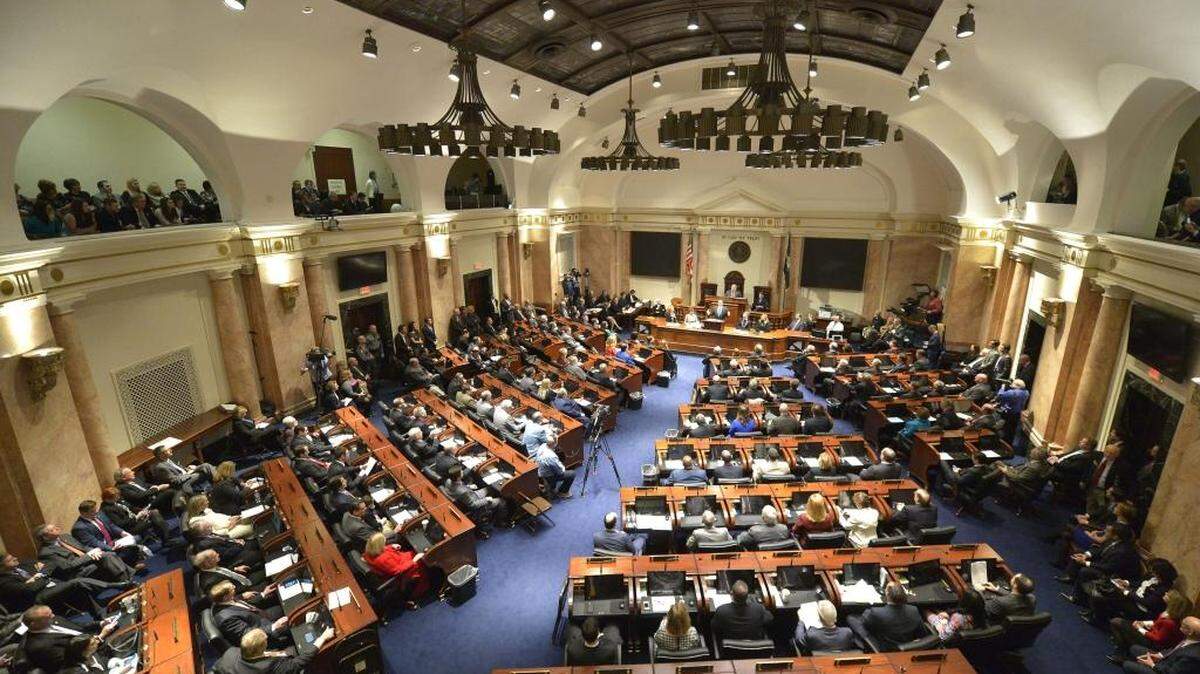
Whatever its other shortcomings, in this session the Kentucky General Assembly finally began to take the public-pension crisis seriously.
With a long-term pension deficit put at $36 billion, including one system that’s teetering on the edge of default, and Gov. Matt Bevin’s aggressive plans to address the shortfall by slashing a state budget that’s already sustained years of deep cuts, denial and delay were no longer options.
Many factors have contributed to Kentucky’s pension crisis but the most important by far has been the failure of governors and the General Assembly to pay the full employer’s match, the actuarially required contribution or ARC, into the systems each year.
So, the most positive action is the House budget proposal to pay the state’s full share into the Kentucky Teachers’ Retirement System; and more than the ARC into the more deeply troubled Kentucky Employees Retirement System. The Senate should preserve those contributions and Bevin approve them.
But the systems have also suffered from a crisis in confidence from lagging investment returns and murky reporting on contracts and costs.
It’s those issues that another important piece of pension legislation aims to address. Sponsored by Sen. Joe Bowen, R-Owensboro, Senate Bill 2 would require the pension systems to use open, competitive bidding to hire investment managers, report all management fees, and improve and standardize reporting on their financial performance.
We join the Kentucky Chamber of Commerce in endorsing those provisions of SB 2, which has passed the Senate and was reported out of a House committee Thursday. KERS executive director Bill Thielen complained to the committee that requiring the system to go through the state-mandated bidding process in hiring investment managers could prove burdensome, but the upside potential for greater competition and more transparency far outweigh that concern.
We bring less enthusiasm to SB 2’s requirements to enlarge the boards of the systems with more gubernatorial appointees and to require that all board members and the top officers of KERS and KTRS be approved by the Senate. While this could add a beneficial layer of review and accountability, it also puts politics and the management of huge sums of money into close proximity, a combustible mix that has too often resulted in questionable or corrupt decisions.
Missing from SB 2 is the added transparency of opening up pension benefits to public view. The salaries of all public employees are public information, as they should be.
There is no reason why individual pension benefits should not also be public. The chamber, in its guide and position paper on the pension crisis, calls for creating a public database detailing annual individual benefits, including those of elected officials, and SB 2 should be amended to include it. As Bowen said in an interview, “why should anybody be ashamed of that if they earned it?”
The pension systems have been justly criticized for operating too long in the dark, asking legislators, retirees and all taxpayers to trust them without adequate disclosure. But no amount of openness will fill the huge funding gap that’s primarily a result of years of governors and legislators borrowing from the funds to balance budgets and fund more pressing or appealing projects.
Only more revenue can do that, and that will require true tax reform, including taking a sharp pen to the hundreds of tax exemptions that suck money away from our treasury.
In this year of discarding denial and delay, it’s time for our leaders to acknowledge that Kentucky cannot cut its way to prosperity, or to meeting its pension obligations.
This story was originally published March 18, 2016 at 8:09 PM with the headline "Serious, at last, on pension crisis."