
Bluegrass ADD creating jobs for lawyers
It is easy to get a little dazed and confused by the saga of the Bluegrass Area Development District and its ever-lengthening disputes with the government agencies that fund its activities.
Today we’ll just focus on the most recent, the Bluegrass ADD’s dispute with the Kentucky Cabinet for Education and Workforce Development over whether federal workforce funds can be used to pay legal fees contesting a demand to repay almost $900,000 the cabinet said was misspent between 2010 and 2013.
Here’s some advice for the ADD’s board and administrators: Find another way to pay the bills — $27,000 and counting last month. While federal and state funds make up the lion’s share of its revenues, in fiscal year 2015 it had just over $1.6 million in revenue from other sources.
There are two reasons for this advice:
First, it is reasonable that federal money appropriated for workforce development be used for just that purpose and not for legal wrangling over the costs associated with past mismanagement.
Second, the ADD has been told by state and federal authorities for months that it shouldn’t use federal workforce money for these legal fees, and just last month the citizen board appointed to oversee the agency’s workforce efforts said the same thing.
This arose out of the devastating 2014 review conducted by the state auditor’s office that got the cabinet looking more closely at a number of questionable fiscal practices at the ADD. Initially, it found about $2.5 million in questioned costs but after a painstaking review narrowed that to $900,000. Details of that calculation, and how it was reached, were laid out in a 31-page letter from the cabinet delivered to the ADD in late March.
It’s important to remember, but easy to forget in this administrative maze, that these disallowed costs arise from deeply disturbing mismanagement and self-dealing.
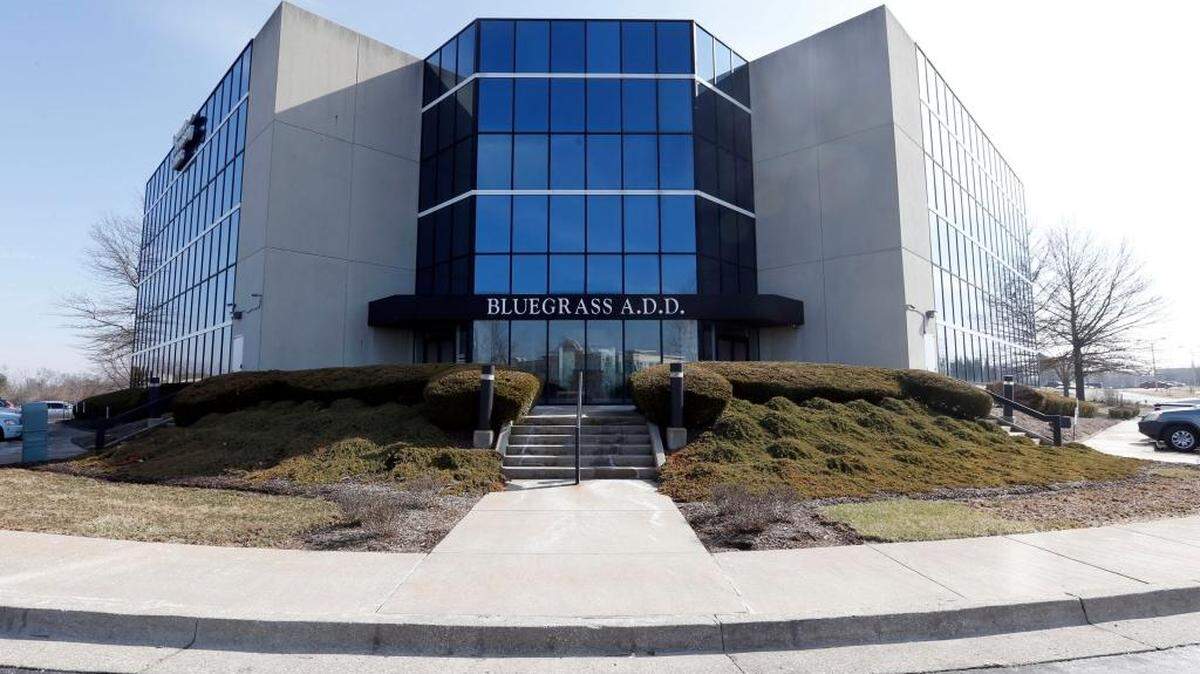
The largest chunk — just over $300,000 — comes from the ADD’s relationship with the Bluegrass Industrial Foundation, which owned the building the ADD occupies. Trouble was, among other things, that several people served on the boards of both organizations and the foundation’s registered agent was a former ADD director.
In the charming language of the cabinet’s letter, “thus, the lease arrangement must be categorized under federal cost principles as a less-than-arms-length, related-party transaction.” In other words, you can’t negotiate with yourself and expect the federal government to pick up the bill.
Another big item, over $115,000, is bonuses paid to ADD employees with federal money. These were categorized on the books as “one time salary adjustments” because bonuses aren’t allowed costs under federal grants, they are also prohibited for public employees under the Kentucky constitution.
ADD executives and many of its directors say that’s all in the past, that the state just keeps dredging up old woes.
But this is real money that was really supposed to be used to help people develop new skills and find better jobs. Maybe, just maybe, it’s time for the ADD to get on with that work or hand it over to someone else.
This story was originally published May 4, 2016 at 7:20 AM with the headline "Bluegrass ADD creating jobs for lawyers."