
A sense of community can help people recover from trauma even while social distancing
A crisis that spans so wide and deep through a community will leave an indelible mark and an unforgettable memory.
We served communities hit by 9/11 and Superstorm Sandy. Living and working through those disasters, we learned how communities can recover and how individuals can make a difference – even when they are experiencing hurt themselves.
Living in upstate New York in 2001, we headed to Ground Zero to serve food and distribute provisions to firefighters, search-and-rescue and clean-up teams. The Salvation Army gave new boots to firefighters whose boots were literally melting. We found warehouses to store food and other donations that arrived from around the country and the globe. And we broke bread with a couple from Long Island who headed to Ground Zero with olive oil, fresh garlic and pasta to feed weary workers because, in the Italian tradition, food is how you show love.
And we also witnessed not just the devastation but also the recovery after the second-costliest hurricane on record at the time swept through the Jersey shore. If you remember photos of a rollercoaster sitting in the water, that was our community – Toms River, N.J. The Salvation Army provided food and clean-up supplies. We also managed the logistics and storage of donations, including a truckload of coats, food and baby items from Lexington, a kindness that we never forgot.
From those experiences, we gained insights on three important pillars for recovery:
1. Nonprofits and governments must work together.
In a time of crisis, the breakdown in services and the economy can be systemic, so an all-hands-on-deck approach is needed. Nonprofit organizations and governments must work together to provide an array of seamless services to those in need.
We have worked in six communities during our almost 25 years with the Salvation Army, and we have never seen government and agencies work together so well. Having regular channels of communication and cooperation already in place is a strong foundation as Lexington rebuilds from the pandemic. It also ensures that resources are maximized because we can avoid duplication to provide efficient and effective services.
2. Realize those in need and those at risk could be your neighbor
Disasters leave those most vulnerable in even more dire need. Those who live paycheck to paycheck, domestic violence victims, people without shelter and those impacted by substance abuse are even more in need of assistance than ever before as the pandemic exacerbates their situations even more.
But disasters also can impact people who aren’t typically clients of social services. Right after Hurricane Sandy, a couple came in and told us that they’d been donors to the Salvation Army for a long time and never thought they would need our services.
3. A sense of community is important and can be demonstrated in different ways
Community looks different when we shelter in place and social distance. We won’t be rushing back to normal, but a sense of community is vital to our mental and physical well-being. It is also essential to recovery.
We must prepare to deal with a long-term recovery and understand that even though so much is out of our control, we have control over important things – how we react, how we serve and how we contribute.
In tough economic times, people often feel that they can’t contribute. But even a small donation makes a difference. And nothing is more powerful or impactful than an act of love. How can you tap into your talents and passions for the community? How can you show love to your neighbor?
Just because we won’t be gathering for large festivals, we can come together in other ways. We can cook for each other. We can volunteer our time. We can listen and pray together.
Lexington has the tools and talents needed for a strong recovery. Together, let’s put them to work.
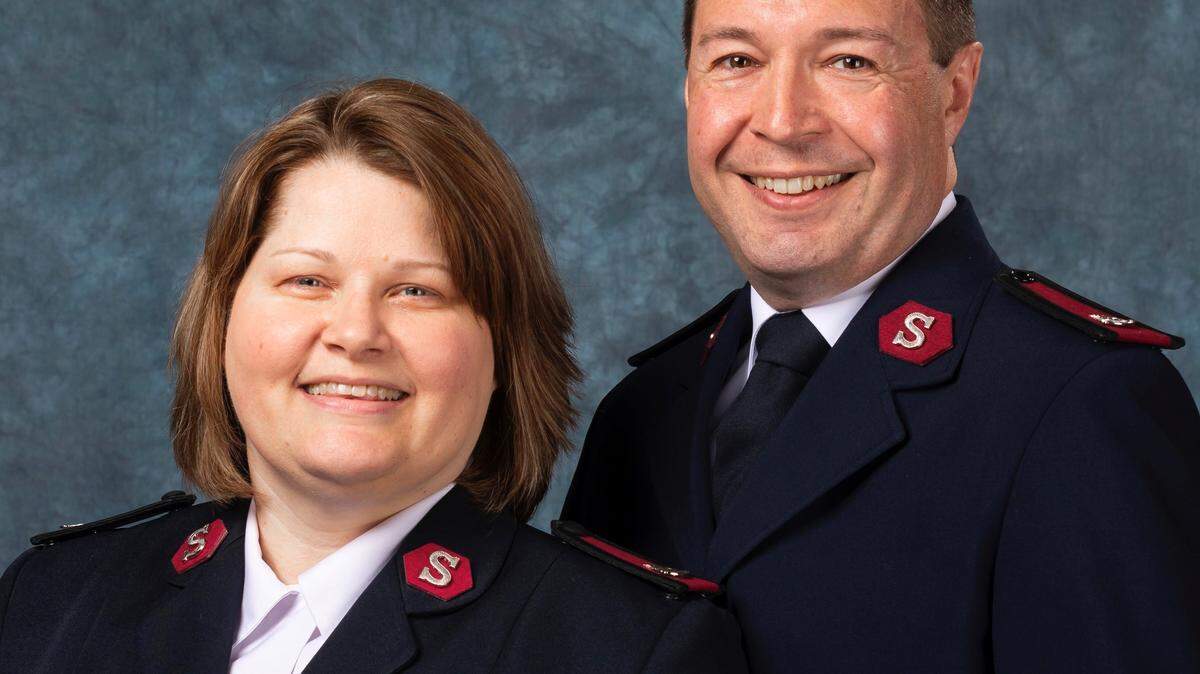
The Garretts are area coordinators and corps officers for the Salvation Army Central Kentucky.