
The study of history and living through it are very different, especially in crisis
Time and expediency erase the fear and uncertainty that are at the core of how we experience traumatic events. Living through our current situation reminds me of what collective memory leaves out.
The weather was perfect, and I was driving out of the city for a weeklong archaeological survey. We stopped for gas. The clerk was on the phone as I paid. Something was wrong. She looked at me as she hung up, her expression sharing the confusion and concern. We’re being bombed, she said. With airplanes. It was September 11th.
Back out in my truck, I turned on the radio, trying to make sense of what she said. We stopped at our hotel and stood in the lobby watching the television. At first, it seemed that it might have been an accident, maybe a small private plane. Then the second plane hit, and we saw it. It was an airliner. This was intentional. Terrorism. It got worse quickly. The towers collapsed. They hit the Pentagon. Then United Flight 93 went down in Pennsylvania. Reports suggested hundreds of planes unaccounted for, so maybe this was just the beginning. Stories of bombs in Washington and New York circulated. What we had seen was unimaginable, so anything seemed possible. Some occult underworld had erupted, and our reality had changed. We had no idea where it would reach, or how it would end.
Like remembering a dream, the disorientation as the paradigm shifts under your feet proves much harder to capture. In the moment, we reacted to what we were seeing, sure, but overriding all of that were thoughts of the heretofore unthinkable possibilities that suddenly seemed plausible, maybe inevitable. For weeks, we lived with that. With the façade torn off, we didn’t recognize the world. We didn’t even know what we were looking at.
For the first few years after that, I would talk about it in the college courses I taught. Students had been in college or high school when it happened, and remembered it as I did, full of confusion and anxiety. A few years passed, and college students had been in middle school on that day, then grade school, or not even born. The conversations were very different. They remember it with the outcome already determined. Four planes, 3,000 dead. When I think back, though, that is not what I remember. I stood there in that hotel lobby wondering if 30,000 people might have died in the World Trade Center, dreading the next attack, not having any sense of the scale or its possible limits. It surprises some students that four attacks in distant places created such anxiety everywhere. I understand. When I watch a movie, I am not worried about whether the Nazis win the war. I imagine it was different in 1942.
I am an archaeologist. I investigate the past. I can recognize what happened and I might even quantify the effects, but studying our history and living through it are nothing alike. When we review the statistics and the official statements, we can miss the depth and strength of the impact. Shockwaves spread, and looking back, it is easy to underestimate the damage. We notice all the broken things, but it can be hard to recognize the warped and bent. We need to remember that not only the virus causes damage. It is also the anxiety and fear. We learned this before, and we are learning it again.
I wonder what evidence will exist of the hopelessness and resignation in the voice of my student who worried whether she could come back to college next year? Would I remember the undertone of fear and anger that threatened to reveal the fragility of her calm veneer? Eventually, years from now, will I struggle to explain why it was so heartbreaking to hear a student apologize for her late paper, explaining she had to drive into town to get good internet, but she had to wait until her mom got home from work because there was nobody else to watch her little sister. She didn’t mind the inconvenience; it wasn’t that. In this new normal, she felt a sea change, the future she had envisioned for herself adrift on an ebb tide. When the earth moves, it shatters the illusion of solid ground. Your foundation, formerly ample and reassuring, will never be deep enough. It is all sand now, and will be for a while. Nobody comes through unchanged.
In retrospect, we will know how this ends. We will explain and understand what happened by recalling the events, the numbers, the verifiable and the quantifiable, but that will miss an important part. The full impact of the pandemic won’t be understood in statistics.
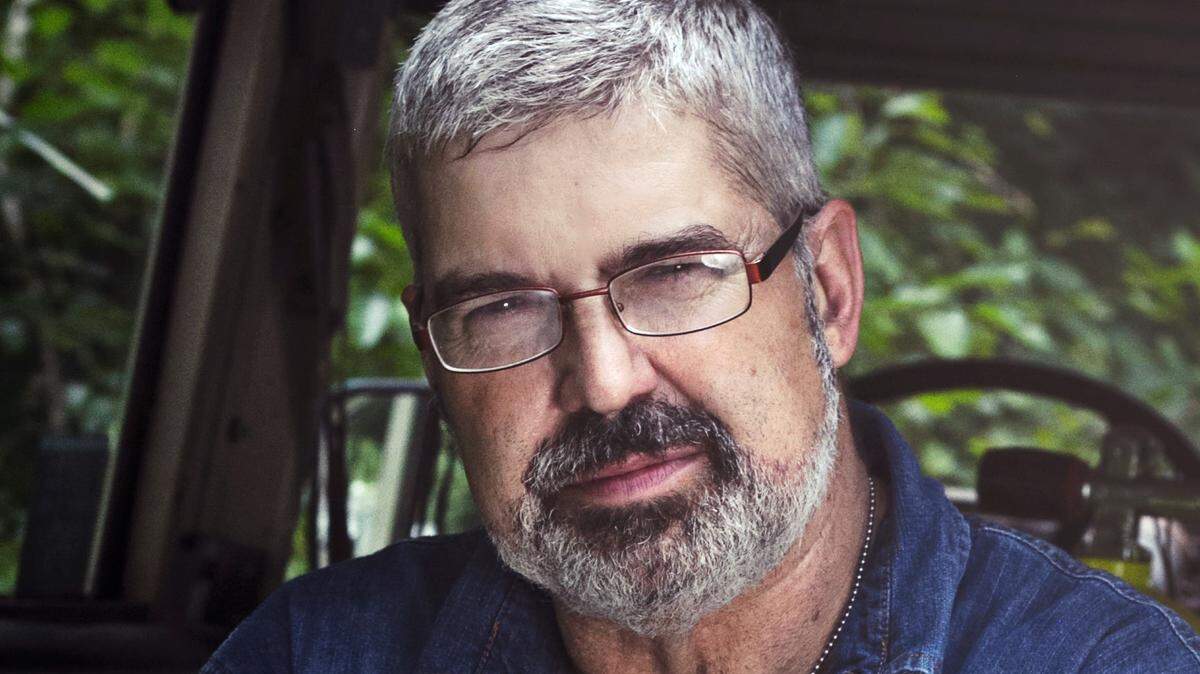
Chris Begley is a maritime archaeologist, a professor of anthropology at Transylvania University, a National Geographic Explorer, and author of the forthcoming book ‘The Next Apocalypse: The Art and Science of Survival,’ to be published in 2021 by Basic Books.