
Fayette County Schools have not yet met promise of achievement for all students
Despite promises made for decades, student performance levels for African Americans have shown little change over the past 30 years. District leaders have failed to close the achievement gap for students in Fayette County.
In 1986, the Agency Executive Forum (AEF), a group of black leaders, issued a report, called Enhancing the Educational Outcomes for Black Students in Fayette County. The AEF pursued equity in the district by curtailing the over-referral of African American students to special education classes. But still, those children are being left behind because of equity issues in the district. “Equity must be accountable to outcomes and performance, and it is an ethical obligation for our leaders,” the 1993 Equity Task Force report said.
In 2002, One Community, One Voice Achievement and Closing the Gap Community Committee report said that within five years, all students would be proficient in reading before entering the fourth grade. The Fayette County Board of Education voted unanimously to approve both task force reports. However, district data from 2018-2019 shows that there are still significant achievement gaps between white and African American students.
But the bigger problem is that too many non-white and needy students in Fayette County score in the “novice” range, the lowest achievement level of Kentucky’s statewide test.
Take, for example, elementary and middle schools. On average, from 2012-2017, the district’s report card data showed 38.8 percent of African Americans and 34.5 percent of low-income students scored at the novice level. The lack of significant growth in achievement at the novice level is unacceptable because reading and understanding content is an essential skill for the future. We know those skills give a student a better chance of succeeding in school and life. They are the gateway to social and economic self-sufficiency.
We can do better. We must do better. We have a moral obligation to do more than pass our students through elementary, middle, and high school without demanding that they be proficient in reading. Why do we tolerate so many children failing elementary education?
The 1993 Equity Task Force said, “We are hopeful that this is the last equity report necessary to spur meaningful response to many of these issues – all of which have been on the table for years.” But hope alone is not change; it only serves as a soothing lotion to help us feel good.
The bottom line is our district leaders are not solving the gap problem. The district’s Annual Report “Keeping Our Promise” gives details about Promises Made, Promises Kept by the public-school system. But the long-term promise to close the Achievement Gap becomes mythical, a promise unkept. Dr. Ron Edmonds in 1969 said, “We can, wherever and whenever we choose, successfully teach all children…Whether or not we do, it depends on how we feel about the fact we haven’t so far.”
The district should be transparent about promoting equitable access to effective educators for all students, including minority and low-income students. The Board of Education should embrace the concept by requiring an annual report showing the effectiveness of school teachers and leaders where high concentrations of low-income and non-white students attend. The report should show if students are getting grade-appropriate assignments, intense instruction, deep engagement, and high-teacher expectations.
The board should approve the development of a Fayette County Teacher Incentive Pool (FTIP). Its purpose is to award financial bonuses to teachers who increase student achievement from the novice level to apprentice or higher. The district leadership should seek support for the program from its partners. Local government and private sector businesses must lead the charge. Fayette County’s future workforce needs to read proficiently and understand content to be productive workers and citizens.
Thirty years of promises broken is too many. We cannot tolerate failure. We must end the cycle of students trapped at the novice level.
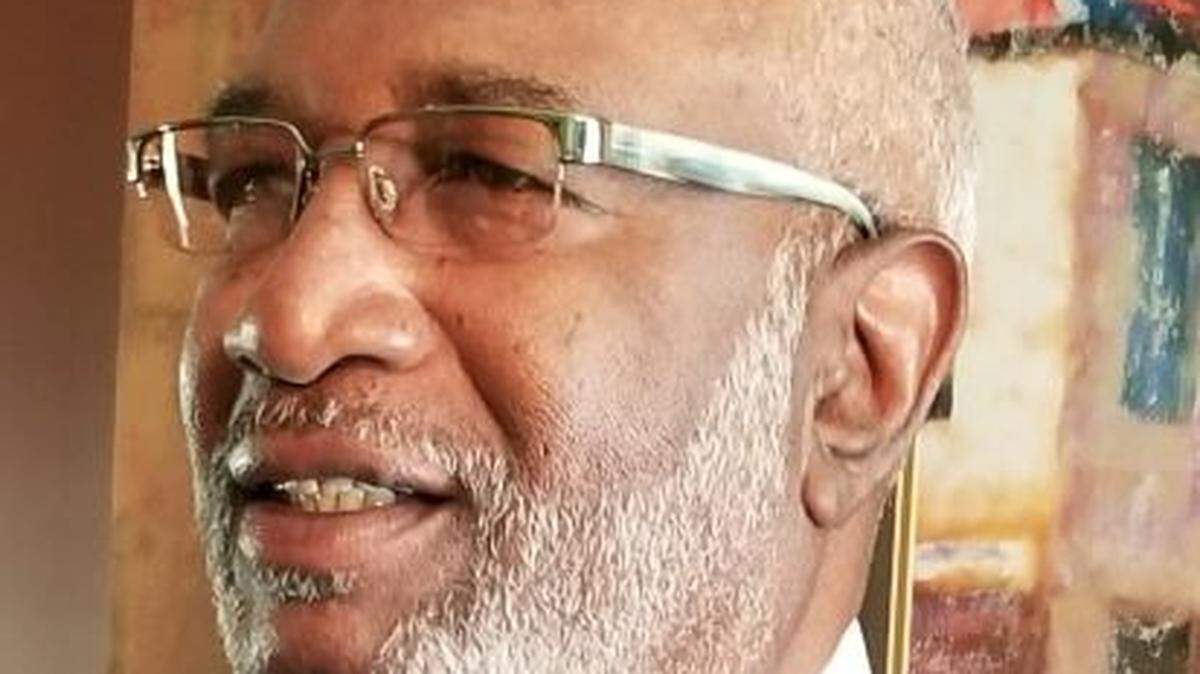
Arnold Gaither has been involved with education issues since the 1970s and served as a member of the 1993 Equity Task Force and Chaired the 2002 One Community, One Voice Achievement and Closing the Gap Committee.