
‘It’s just time.’ Sports is often the mirror in which American society reflects its struggles
My Dad played in the NFL. Specifically, he played safety for the New Orleans Saints, the same position as Malcolm Jenkins. Of course many of you reading this will know Dad as Dicky Lyons, Sr.
Last week, I watched Malcolm Jenkins, a Black, grown man, father and professional athlete, hold back tears with all the might that his position on the field requires of him and plead for his white teammate, Drew Brees, to see him, to understand this moment and to stand with him.
When he became a Wildcat, Dad declined scholarship offers to play college football from Alabama (where he would have played under Bear Bryant), Notre Dame and other more winning schools of the time. Kentucky was home so he played for Kentucky. This was 1965 and within two years UK became the only school in the SEC to integrate Black players into their football program. Dad played on that team. When UK played Auburn in 1967, the National Guard had to be sent to police the game because the Black Kentucky players weren’t just the only Black players on the field, they were the only Black people in the stadium. Black people weren’t even allowed to attend the game.
Sports has long been a place where identity politics play out or even lead the way for the rest of us. Who could ever forget the image of Louisvillian Pee Wee Reese with his arm around Jackie Robinson? More little remembered, Australian sprinter Peter Norman wore the “Olympic Project for Human Rights’ button on the dais while Tommie Smith and John Carlos raised Black Power fists at the 1968 Olympics in Mexico City. Norman was shunned and his career ruined when he returned to Australia. But he was on the right side of history. My track coach told us about him the day I competed in the Junior Olympics for track in Louisville in 1980.
The culture of sports has no choice but to emerge from the backdrop of our sordid American history; the one that we are taught in school juxtaposed with the reality of the Black experience. For instance, white men didn’t steal slaves from Africa. They stole teachers and doctors and musicians and tailors and craftsmen and cooks. They were not slaves until they were made slaves. As well, what Black American authored book is on any required middle school reading list? There has been a complete lack of understanding for the Black experience in white America which is why the significant sports moments, or ones in music and other cultural arenas, literally make history.
But something was drastically different about watching Malcolm Jenkins’ plea that made me wonder: Will the relationship between the players of the New Orleans Saints be significantly better now? What possibilities are arising for that organization to come out on the right side of history in this potent moment? ‘How is this different?’ I asked myself. ‘This feels different,’ I told myself. This exchange seemed like progress, like there was hope.
Then Van Jones cried on national television.
Here was another well known, Black, grown man, father (who appears daily on CNN) pleading with America to not drop the pressure on Minnesota just because the former police officers who murdered George Floyd had been arrested and charged. We’ve seen justice not carried out for too many of our Black countrymen and women too many times before. Too many times.
‘This is just a drop of justice’ said Van Jones about the arrests and charges of the Minneapolis former police, ‘but it is going to take a river of justice to get us where we need to be.’
It’s time for us all to meet down by the riverside.
It’s just time.
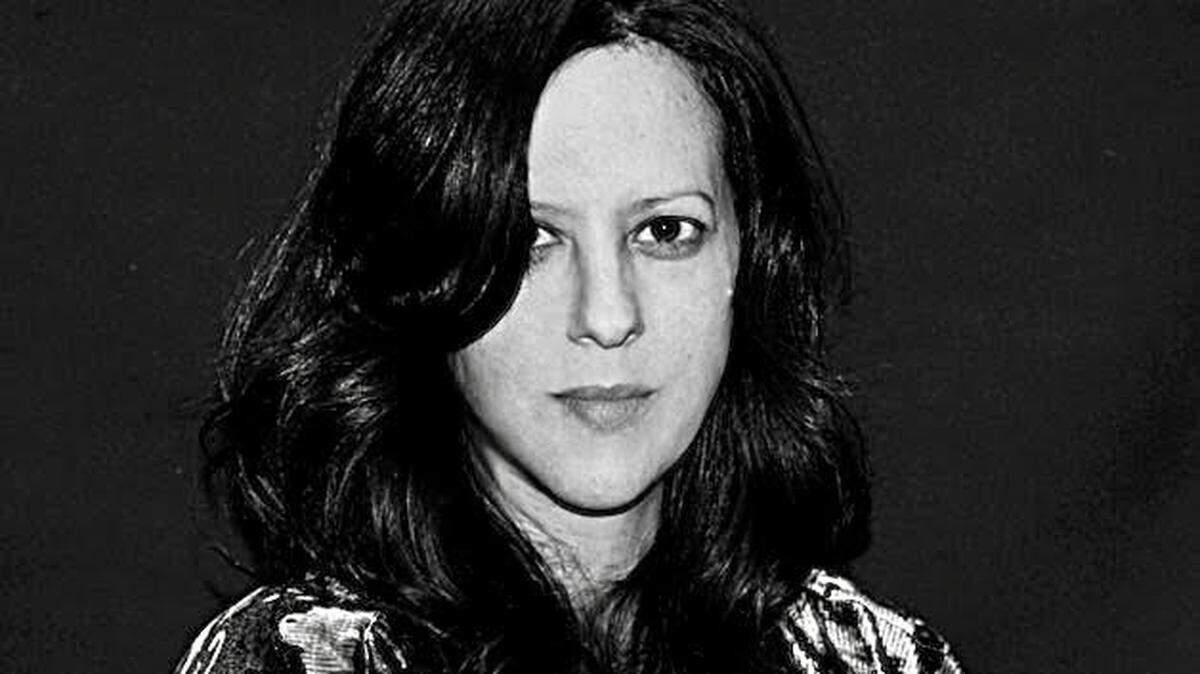
Leslie Lyons was born in Louisville, Kentucky and is a graduate of the UK School of Journalism. She is the author of “TRUE BLUE: The Dicky Lyons Football Legacy at the University of Kentucky.”