
The next federal COVID package must invest in Kentucky’s overlooked rural children
Children are our future, but their futures are at great risk if our United States Senators overlook essential investments in the next coronavirus stimulus package. As a lifelong Kentucky resident who cares deeply about children – both as a mom and someone who has dedicated my career to improving the lives of children here and across rural America – I was very encouraged to read Senate Majority Leader Mitch McConnell has said “the next package needs to protect kids.” I couldn’t agree more and am calling upon our leaders – the ones we entrust with our futures – to make an intentional, significant investment for rural children in particular.
Earlier this summer, Save the Children released new county-level data detailing childhood across America, evaluating how well counties protect and provide for children, and the findings are both stunning and unacceptable. Ninety percent of the bottom 50 counties for kids are rural. Children in these counties are disproportionately affected by malnutrition, poor education, teenage pregnancy and early death due to ill health, accident, murder or suicide. This is a bleak and unjust path set forth for our children, simply because of who they are and where they grow up.
When you turn your focus to Kentucky, there’s an incredible childhood equity gap between urban and rural counties. Oldham County, which places in the top spot for kids in Kentucky and third nationwide, has a child poverty rate of 5 percent. The Kentucky county with the highest levels of child poverty – Owsley – is rural, and has a child poverty rate of 48 percent, meaning nearly 1 in every two kids is growing up poor and at a rate 10 times higher than kids in Oldham.
The statistics, sadly, speak for themselves, but what’s even more moving are the stories of kids growing up rural – like Bailey, who was making strong strides in her reading when I visited her in a Save the Children reading program at her rural elementary school in Whitley County. This spring, as a third grader, Bailey and her classmates had to make a very bumpy and unexpected transition to remote, NTI learning. I worry that without the extra reading help, Bailey will start fourth grade even further behind.
That’s why Save the Children is calling for three specific inclusions in the next stimulus bill. First, an increase in academic enrichment programs, including 21st Century Community Learning Centers and an extension for rural Promise Neighborhoods, with a keen focus on those rural communities hard-hit by COVID-19. This will help ensure kids can continue to learn, whether in safe schools or in accessible, virtual settings, while also continuing to bolster local economies by creating good jobs. Second, an additional allocation to support successful home visiting programs, with a portion reserved specifically for rural communities. And third, addressing rising hunger among rural children with a 15 percent increase in SNAP benefits, expansion of WIC and an emphasis on emergency relief funding for school meal providers to continue meal delivery and distribution for the millions of kids who rely on school for breakfast, lunch and sometimes even dinner.
I’ve never met a parent, grandparent or caregiver who doesn’t want the best for their child. But how can they give them the best if we, as a nation, continue to overlook rural America? We cannot allow rural children to fall through the cracks and go unnoticed in the next stimulus bill. I hope Senator McConnell and his Senate colleagues will make funding decisions to ensure kids like Bailey, growing up rural in the hills and hollers of Appalachia, don’t become another generation stuck in poverty. Rather, let’s make rural America stronger by ensuring children have the opportunity to thrive into adulthood and pursue their careers and dreams.
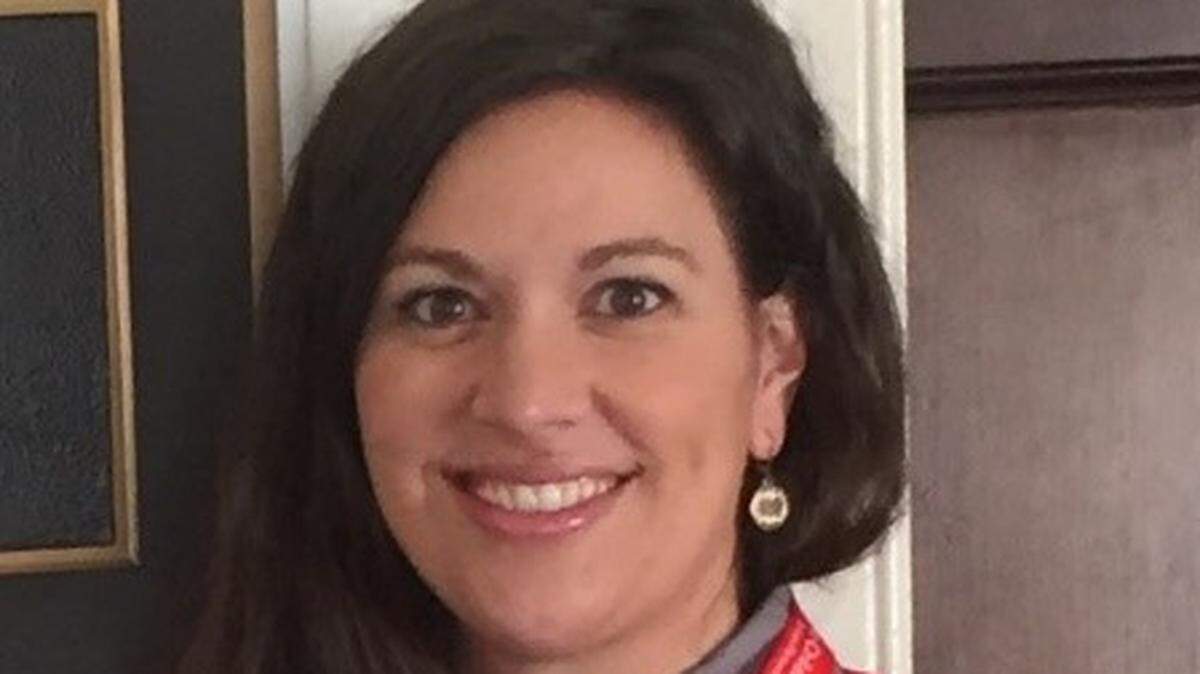
Alissa Taylor is a lifelong Kentucky resident who currently lives in Berea and serves as Save the Children’s Director of Programs across the Bluegrass State.