
UK administration pushes symbolic, not substantive, change to systemic racism on campus
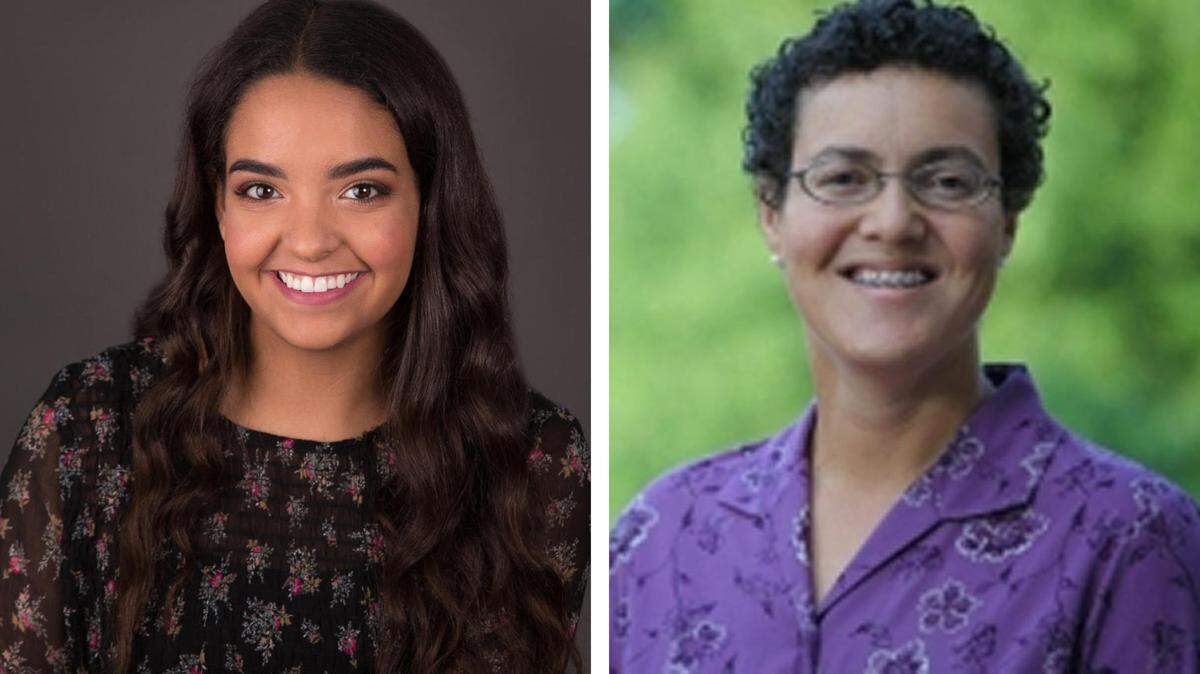
We are a student and a faculty member at the University of Kentucky, and we have decided to raise our voices together. In the wake of police violence and killings and the current ongoing protests, we feel that now is the time to articulate what steps we feel are needed to bring about deep, systemic change at the University. Mariah is a member of Movement for Black Lives UK (M4BL UK). Anastasia, a faculty member in history, has been the Director of African American and Africana Studies (AAAS) at UK since 2016.
Racism at UK affects students and faculty both. The experiences of students of color like Mariah paint a wildly different image from the PR-friendly picture the University presents. As a student of the University of Kentucky, Mariah has taken the pledge that “as a Wildcat, I promise to embrace diversity and inclusion and to respect the dignity and humanity of others.” But she has observed that this statement, taken from the UK creed, has not been enforced by UK’s administrators. Students tell a collage of stories of overt and covert racism, feelings of imposter syndrome, and incompetent policing on our campus and in our community. Mariah has attended predominantly white institutions all her life, but has found that the hostility of white peers saying the N-word and the awkwardness of being asked for the “black opinion” in class discussions still exist at the University. Students are unlikely to see Black professors at the front of their classrooms; while the Black population of Lexington is 15 percent, only 3.7 percent of faculty are Black. Those Black professors who are at UK are less likely to be at the most senior faculty levels; only 1.8 percent of those at the rank of full Professor are Black. Of UK’s administrative leaders, only 4.5 percent are Black, and only one Black administrator directly reports to the president. Finally, even though there are internationally-recognized faculty on campus with expertise in race and racism, the inclusion and collaboration that UK’s public announcements have promised are not occurring among faculty and students at the University.
Responding to the national outcry over police violence in June, UK President Eli Capilouto emailed a campus-wide message, offering comforting words. “How do we do better than we are doing today?” he asked. Two days later, he pledged to remove the Memorial Hall mural that has been covered since a student protest last year. Two weeks after that, he announced an action plan to the Board of Trustees and the campus community. The plan represented a new beginning, “one from which we will not retreat ever again,” he wrote.
But none of what the president has outlined does enough to fight institutional racism at UK. Pledging to remove the mural consigns nearly $2 million dollars to a symbolic project (and will erase the work of a Black woman artist in the process). The action plan, centered on a complicated set of committees (“workstreams”) on various topics, is the result of a top-down process that promises no progress toward actual racial equity at UK. The action plan is a shell with no goals, metrics, or accountability for the institution and its leadership. It creates the appearance of acting without really acting. It places additional burdens on those who have already been working daily to fight racism at UK. Worst of all, the administration did not consult its world-class Black Studies faculty before announcing the new plan to the UK Board of Trustees.
Both faculty and students have shared more substantive action steps with President Capilouto. The AAAS faculty named ten concrete actions that would make the strongest impact in the shortest amount of time and sent them directly to President Capilouto in late June. They challenge the University to increase support for Black students (including scholarship aid); raise the percentage of Black faculty to reflect the population of the city of Lexington; raise the number of senior Black leaders at UK; protect the positions and pay of Black staff; and increase accountability for racist words and actions on campus. We advocate requiring a course on race and ethnicity for all undergraduates; minimizing UKPD cooperation with outside law enforcement; and renaming Rupp Arena (and other campus landmarks named after practitioners of white supremacy). Finally, we call for funding the Commonwealth Institute for Black Studies, a new venture for supporting and sharing cutting-edge research across academic disciplines. The Commonwealth Institute will house the Central Kentucky Slavery Initiative, a project that will explore the histories and legacies of slavery on campus and in our community. We will also draw together researchers in policing/incarceration, women, gender, and families, the long Black Freedom Struggle, health equity, visual/popular culture, and Appalachia, among others.
In addition, the Movement For Black Lives UK (M4BL UK), sent President Capilouto their own set of demands in early June. To address an issue as deep as systemic racism, the system itself must change. Led by senior Khari Gardner, M4BL UK exists to give voices back to students and has built an action network dedicated to one goal: Holding UK accountable by lobbying for systemic change on all levels. M4BL UK proposed changes to virtually every aspect of the University, from increasing accountability measures in Greek organizations (which compose 25 percent of the undergraduate population) to ending qualified immunity for university administrators.
The core of M4BL’s demands concern UKPD. UK must limit the number of officers on patrol, require extensive training, and reassess the excessive $5 million dollar budget. It is absurd that the University invests 10 times more in a private police system than it does in services like the Violence Intervention and Prevention Center, which directly aid and educate our campus community. The letter of demands is a working document that gets amended as more members of the Wildcat community share their concerns, and now incorporates the AAAS faculty action steps. We believe that as a leader in the Commonwealth, the country, and the world, UK has both the resources and the responsibility to be a key player in the end of institutional racism.
Neither the student nor faculty recommendations to the president were embraced. Much as peaceful protests on the streets of Lexington were met with violence by the Lexington Police Department, M4BL KY demands were met with hostility and lack of professionalism from the administration. President Capilouto has not met with either M4BL UK or AAAS faculty, but when M4BL UK met with senior members of the administration, our direct questions regarding the safety of students were sidestepped. Our concerns of an over-policed campus were met with a PowerPoint presentation of the great job UKPD does. Letting the admission stand of a student who shared racist comments on social media was justified with freedom of speech, an argument that ignores the fact that hate speech does real harm to this community. The AAAS faculty has to date not received a substantive response from the president about the University’s commitment to the specific and structural steps we outlined. For both faculty and students, the inclusion and collaboration that UK’s public announcements have promised have not occurred. Neither AAAS nor M4BL UK’s calls for real policy changes at UK are acknowledged or evidenced in the plans the University has announced.
We hope for a wholesale reconsideration of UK’s priorities regarding ending institutional racism. Given its actions so far, we must conclude that the University is more committed to symbolic rather than real action. We would love to be proven wrong.
Mariah Kendell is a sophomore Journalism major from the College of Communication and Information at UK. Dr. Anastasia Curwood is an Associate Professor of History and Director of African American and Africana Studies at UK.
This story was originally published July 23, 2020 at 11:44 AM.