
Whether Lawrenceburg or Kenosha, media should not normalize hate groups and vigilantes
On Tuesday, Aug. 25, calls spread across social media for a militia “patriot” presence in Kenosha, Wisconsin, to defend property during protests in response to the police shooting of Jacob Blake. One young man traveled across state lines with a rifle to join the defense: 17-year-old Kyle Rittenhouse. National Public Radio’s Dan Mihalopoulos reported on August 27 that “in a video recorded before the shootings, a teen who appears to be Rittenhouse describes himself as a member of a local militia that was effectively protecting businesses in Kenosha.” Later that night, Rittenhouse shot and killed two people and injured a third at the protests.
Rittenshouse’s actions — showing up armed in a volatile space, illegally breaking an official curfew, assuming property means more than life, and killing unarmed people— are abhorrent, and they did not just happen randomly. Nationwide, militia groups continue to circulate influential and violent ideologies of armed vigilantism among youth and anyone willing to listen. Part of this agenda involves calculated attempts in local media to represent vigilantism and its violence as normal, reasonable, and even necessary. A recent example played out not far from Lexington.
In “Not on Her Watch: Mom Thankful after Armed Group Protects Child during Racist Rant,” which appeared on July 15, 2020, The Anderson News reported on the activity of an armed Three Percent group in Lawrenceburg. Ostensibly, the story describes how Tara Brandau, the group’s leader, defended a biracial child from a racist verbal attack on Main Street. But the report pushes further, framing Brandau as an instinctually Good Samaritan whose motherly impulses define her perception of herself as a helper and protector of the defenseless.
While making this emotional appeal, “Not on Her Watch” gives substantial space to Brandau’s carefully scripted defense of herself and her organization, which is labeled by the Southern Poverty Law Center (SPLC) as an armed, racist hate group. According to the SPLC, Tara “Hoggirl” Brandau has been involved in far-right militia movements with explicitly neo-Confederate symbolism and messages that concern the SPLC and other organizations monitoring hate crimes in the US.
Though we might, as critical readers, question the SPLC’s political agenda, much varied research and journalism corroborates these serious concerns. For example, in his 2019 “Violent Extremists: Understanding the Domestic and International Terrorist Threat,” DePaul history professor Thomas Mockaitis concludes: “The Three Percenters might argue that they merely provide a forum for free expression ... but they clearly make no effort to remove” language expressing violent, racist, and white supremacist ideologies. Even if they curate or erase these messages from digital view, many of these groups maintain association with neo-Confederate movements and symbols at marches and protests. A quick Google search of Brandau, for instance, results in images from reputable journalistic sources of her clearly displaying and embracing Confederate flags and other neo-Confederate emblems and representations — all indicative of white supremacist, racist leanings.
This is not to say that Brandau is incapable of doing a good deed. But The Anderson News report unquestioningly associates her solely with this one positive action and embraces her self-characterization as a kind of vigilante Batwoman for security, airing her claims that she and her group were “needed” in Lawrenceburg to respond to potential looting and rioting. The story, however, fails to acknowledge accounts from local police admitting that there were no credible threats. Further, it uncritically gives conspicuous and extensive space to Brandau’s pronouncements of innocence and commitment to vigilantism, suggesting that anyone with a rifle and a self-aggrandizing sense of valor can just appoint themselves an unofficial protector of the people.
“Not on Her Watch” highlights the potential ramifications of myopic journalism. Audiences, especially the youth, deserve fully-informed depictions that allow accurate interpretations of what is happening immediately around us. Biased, uncritical, and narrow framing corners us, compelling us to be complicit in the sanitizing of vigilante violence that continues to harm Black and Indigenous people and communities of color, as well as threatens the health and well-being of all communities. How many Kyle Rittenhouses right now are reading affirmation of their radicalization in such inaccurate and partial news? American individuals and communities—indeed, our whole democratic enterprise—depend on a press that rises above disinformation. All of us, then, especially journalists and news organizations themselves, must insist on and ensure reasoned, truthful, and well-researched coverage of vigilantism and vigilante groups’ actions.
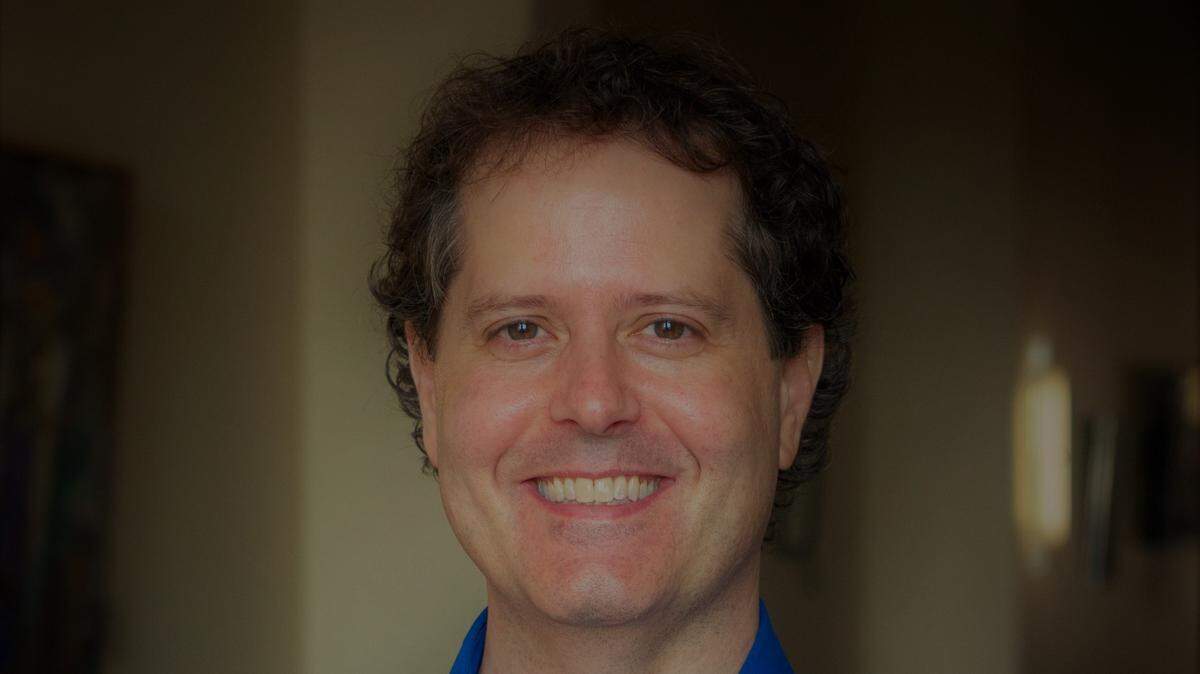
James Wright is from Lawrenceburg, Kentucky, and currently teaches at the University of Maryland, Baltimore.