
Gen Z can’t afford apathy: Our activism and our future must start at the ballot box
I am a part of the newest generation coming of age: the first generation that may have been alive for 9/11 but has no memory of it, a generation who grew up with social media, a generation that has gone through two economic downturns and a pandemic before we have even entered the workforce and a generation whose formative years were defined by the first Black president of the United States. Undoubtedly, these events have shaped myself and my peers and have led to loud calls for a better future that we now see on the streets.
However, while calls for change are greater than ever in my generation, there is an undeniable disconnect between activism and civic engagement. I have heard too many times from peers that their voices do not matter and that there is no point in voting, yet those same people are the ones who ask me to go to a protest or sign a petition. It is as if my generation has forgotten what was taught to us in school— that social change and political change are inextricably linked.
2020 is the 100th anniversary of the ratification of the 19th Amendment which gave women the right to vote, and while it is easy to look back on this as a feminist success it is also important to note how society got there and the limitations that existed. Similar to Gen Z’s methods of activism, white women picketed the White House in 1917 leading to arrests and hunger strikes in prisons. The treatment of those suffragists led to a shift in public opinion and eventual ratification, yet a crucial group was left out —Women of color. Society moved forward but progress was not complete. With Jim Crow laws and voter suppression tools, many voters of color could not participate in the system of government that gave black men citizenship after the Civil War. This led to more protests, fights in the court system and led to two crucial bills that still impact our racial relations today- the Civil Rights Act of 1965 and the Voting Rights Act of 1965 which officially gave Black women the same citizenship status as white women and Black men. This proves that the progression of history cannot see political change without social change, they work in tandem and one does not exist without the other.
It frustrates me to know people have given up before the fight has even started, but the idea of our voices not mattering is plastered everywhere in society from difficult voter registration rules for college students to the sentiment that only swing state voters matter. While these signs are everywhere, we must push back anyway. Movements have always been started by the young and unafraid and are carried to victory when leaders listen, and so, if we are at a societal tipping point it is important now more than ever for my peers and I to turn out. Our parents and family members are always told to go to the voting booth and think about us and our future, but why should only they have that power? Why shouldn’t we go to the polls thinking about lessons learned from our activism and the lives we want to have? It is much easier to define the future in our vision if we elect legislators that are empathetic to that vision. With less than a month to election day, I end with a message to my peers: Vote on November 3rd or earlier, our work starts there.
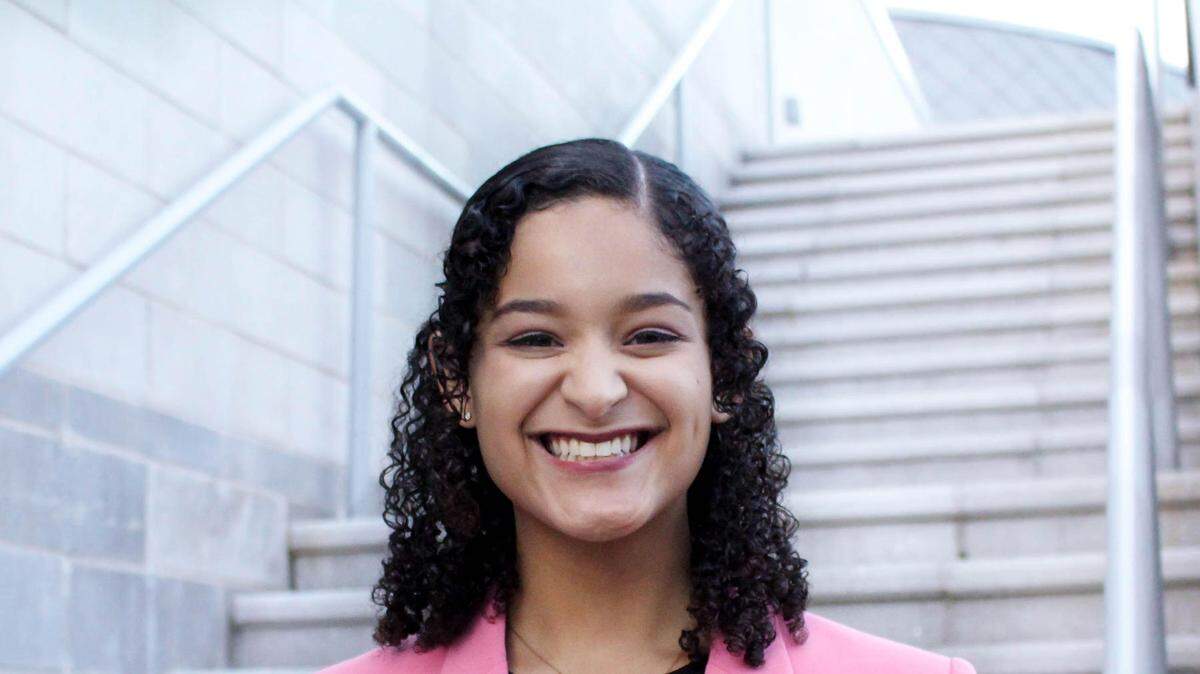
Olivia Antigua is a senior political science major and student leader at the University of Kentucky who is passionate about civic engagement and youth activism.