
The longer McConnell waits to uphold election results, the more democracy suffers
We are at a moment where Senator Mitch McConnell has a responsibility to the people of Kentucky to affirm that the US election was free and fair, and to model respect for the results of that contest. I say this as a professor of Comparative Politics at the University of Kentucky. This is my own opinion, not that of the University of Kentucky. What I offer here reflects nearly 20 years of research on the consequences for democracy when elections are protested on the basis of fraud, and research on citizen perceptions of fraud and corruption.
My research on election fraud and protests has found that refusal to accept election results very rarely causes the results of the election to be reversed and does not help democracy in the long run. I must note that this conclusion comes from analyzing over 700 elections in countries around the world, excluding the U.S. and other well-established democracies, because election fraud simply does not happen in U.S. elections, and did not happen in this one. We are long past the Gilded Age of political machines, when fraud did occur (as has been well-documented by my colleague in History here at UK, Tracy Campbell). Even in countries where election fraud is still a real possibility, the problem with post-election complaints of this nature is that it can be very difficult to distinguish genuine concerns of malfeasance from the sour-grapes complaints of a sore loser. This is one reason why the encouragement of such disputes ultimately does not serve the health of our democracy.
Furthermore, in our polarized partisan environment, even baseless complaints can influence public opinion. Research I have conducted in the U.S. finds that when their preferred party might be negatively affected, individuals are concerned about even hypothetical election fraud. In a survey experiment I conducted as part of the Cooperative Congressional Election Study of 2011, individuals were randomly chosen to receive information about a suspicious scenario that benefited either an unnamed Republican or Democratic candidate. For individuals who identified as either Democrat or Republican, when they received a scenario where a candidate from the other party benefited, their average probability of believing fraud had occurred was 82 percent, an increase of 35 percent over individuals where the hypothetical candidate that benefited shared their partisanship. When people believe it harms their preferred party, concern about fraud increases dramatically, so much that people who might otherwise not believe it are inclined to believe election fraud is happening. And these effects did not depend at all on education, interest in politics, or even the specific partisan affiliation of the individuals surveyed. Given that Kentucky went for Donald Trump, voters here in the Commonwealth are likely to believe Trump’s claims of fraud, even though those claims have no basis in fact, particularly if other Republicans give credence to such claims.
This is where McConnell’s responsibility to the Commonwealth and our democracy comes in. Those of us who study democratic survival know that it depends on the continued agreement among both citizens and elites that democracy is the only acceptable form of governance. To the extent that claims of fraud raise concerns among Republican voters, those fraud concerns may begin to erode their commitment to democracy. Confronted with this potential for U.S. citizens to lose faith in democracy, it becomes all the more important for our political leadership to uphold democratic institutions and values. The longer Senator McConnell fails to offer this leadership, the more he allows baseless concerns about election fraud to turn into public mistrust of our democratic institutions, the further his simple unwillingness to affirm the results of this election contributes to the active undermining of democracy in America.
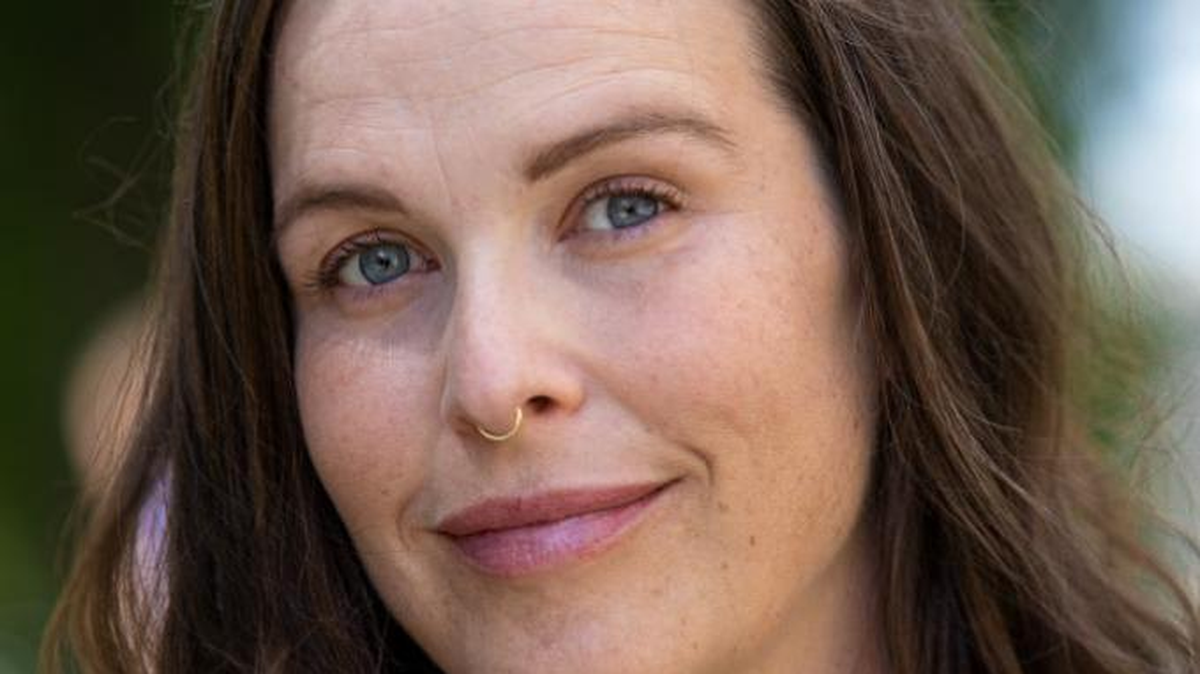
Emily Beaulieu Bacchus is Associate Professor of Political Science and Director of International Studies at the University of Kentucky