
Wild horses and burros are threatening western lands as population overwhelms landscape
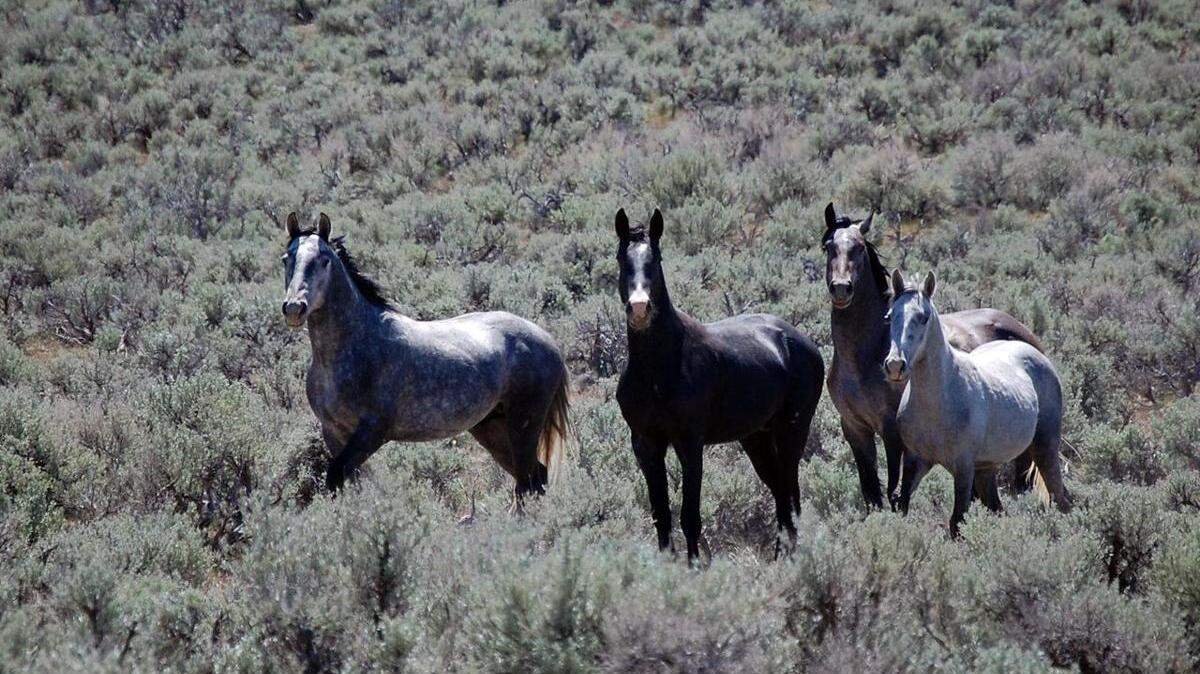
At a meeting of the Society of Environmental Journalists in Colorado last fall, I was asked for the biggest threat facing public lands. My answer: wild horses and burros. I stand by my answer and so do experts in the Bureau of Land Management and most thoughtful westerners on the issue.
In 1971, Congress ordered the Bureau of Land Management to manage wild horses and burros to ensure their iconic presence never disappeared from the western landscape. Over the decades, Congress watched as their herds overwhelmed the land’s ability to sustain them, crowded out indigenous plant and other animal species, and turned the sod into concrete. The Bureau of Land Management experts say some of that land will never recover from this unmitigated damage.
There are 95,000 wild horses and burros roaming nearly 32 million acres in the West—triple what scientists and land management experts say the range can support. These animals face starvation and death from lack of forage and water. The population has more than doubled in just the past 10 years and continues to grow at a rate of 10 to 15 percent annually. This number includes the more than 47,000 animals the Bureau of Land Management has already gathered from public lands, which cost the American taxpayer nearly $50 million annually to care for in off-range corrals.
This is not a new issue. Even though the Trump Administration inherited this situation, we have been actively working towards fixing this difficult problem. We are doing something about it because it is not just a western issue; it is an American issue. What is happening to these once proud beasts of burden is neither compassionate nor humane, and what they are doing to federal lands and fragile ecosystems is unacceptable.
Last year, the American Association of Equine Practitioners and the American Veterinary Medication Association – two of the largest organizations of professional veterinarians in the world – issued a joint policy calling for further reducing overpopulation to protect the health and well-being of wild horses and burros on public lands. The National Wild Horse and Burro Advisory Board – a panel of nine experts and professionals convened to advise the Bureau – endorsed the joint policy. Furthermore, animal welfare organizations such as the ASPCA and Humane Society of the United States recognize that the prosperity of wild horses and burros on public lands is threatened if herds continue to grow unabated.
I am proud of what the Bureau of Land Management has accomplished under the Trump Administration. With a one-year boost from Congress, we have accelerated efforts to remove animals from some of the most over-populated herds. Meanwhile, we expanded the number of herds that are routinely treated with fertility control to slow future growth and increased the number of animals adopted to good homes across the country at historic proportions.
The Bureau of Land Management laid out a multi-pronged approach in its 2020 Report to Congress that includes expanded adoption and sales of horses gathered from overpopulated herds; increased gathers, and increased capacity for off-range holding facilities and pastures; more effective use of fertility control efforts; and improved research, in concert with the academic and veterinary communities to identify more effective contraceptive techniques and strategies.
William Perry Pendley is Deputy Director for Policy and Programs for the Bureau of Land Management.