
New oversight of organ procurement groups will help patients get vital transplants
Despite nearly 33,000 people receiving a life-saving organ transplant in 2020, almost 110,000 are awaiting a second chance in life. According to a recent Bridgespan report, 33 people die each day waiting for that gift of life.
In Kentucky, 960 people are awaiting an organ transplant. The majority of transplants occur after an individual has died and their family makes the courageous choice to donate organs to save other lives. Unfortunately, the gap between donors and patients in need of an organ transplant continues to widen.
Instrumental in helping people awaiting transplant are organ procurement organizations (OPOs). These are 58 non-profit government contractors on the frontlines of organ donation and charged with identifying potential donors.
Sadly, research has suggested that 28,000 organs go unrecovered each year. Many OPOs are under-performing in their efforts to identify donors in part because they have minimal regulatory oversight and have largely operated as monopolies. Although OPOs such as Mid-American Transplant in St. Louis, and OurLegacy in Maitland, Florida, are some of the highest performing OPOs in the country, many other OPOs do not have the same progressive leadership or results.
However, the days of unregulated OPO performance are finally coming to an end. In December 2019, the Centers for Medicare & Medicaid Services (CMS) proposed regulations to hold OPOs accountable to patients and to those who donate organs. Research that I and colleagues around the country have conducted has demonstrated that objective and verifiable data can help OPOs identify potential organ donors. This data can also be used to compare the performance of OPOs in a rational and standardized way.
As expected, there was pushback from the OPO industry and the Association of Organ Procurement Organizations with stories of how these regulations would lead to the demise of organ donation, transplantation and deaths. The fact is that it is simply untrue that lives would be lost because of increased regulatory scrutiny.
Fortunately, CMS was not moved by these horror stories not based on scientific data or fact. On Nov. 20, 2020, regulations were finalized that will hold OPOs accountable to performance standards.
It is a significant milestone in the history of organ donation and transplantation. I have no doubt that in 10 years the transplant community will look at this as the day our entire field changed in a positive manner. I look at this day in which many years of hard work and perseverance in both research and advocacy efforts finally paid off. In some ways, I look at this as an accomplishment of my life’s work, yet also as a new beginning for the lives of many patients.
I would like to thank UK HealthCare and the University of Kentucky Department of Surgery for their endless support of our transplant center and the patients we serve. And I would be remiss in not thanking Kentucky’s congressional delegation to the U.S. House of Representatives and the U.S. Senate for their efforts in listening to the concerns of UK HealthCare, the UK Transplant Center, and most importantly, our patients.
Specifically, I want to recognize U.S. Senate Majority Leader Mitch McConnell for his willingness to take an active role in the transplant and donation processes at the federal level. He and his staff have been engaged with this process from the beginning and have been advocates for the patients we serve.
The regulations to reform OPO performance and hold these organizations accountable to our patients awaiting life-saving organ transplants is a much needed and transformative change in our field. In short, what do we call the people and their families who choose to donate organs?
We call them heroes.
The regulations to reform OPOs will lead to more people and their families becoming life-saving heroes.
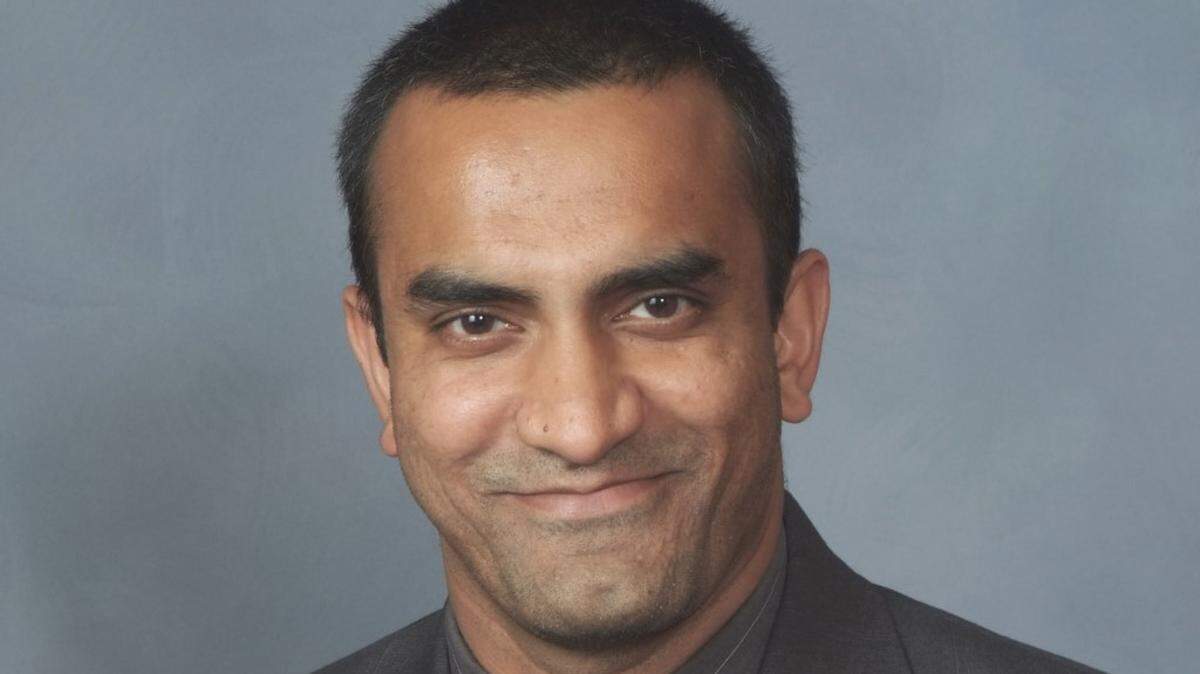
Malay B. Shah, MD, FACS, is the Surgical Director for Liver Transplantation at the University of Kentucky Transplant Center. He also serves as a volunteer member & regional representative of the OPO Committee of the United Network for Organ Sharing.