
Racial trauma is real. It’s time for Lexington to start healing.
Racial trauma is real, and it was present well before 2020. It’s been a mainstay in the lives of Black people and other racially/ethnically marginalized people for centuries. We know this, and yet most of us were still injured by the highly publicized violence against Black people in 2020, especially the murder of Breonna Taylor right here in this state. Still, being aware and unsurprised typically does not prevent us from being physically ill, sad, angry, or numb. It would be nice if awareness were enough, but it’s only one step in the healing process.
Black people have full, human lives, filled with the usual ups and downs, triumph and grief, joy and pain that all humans experience. In addition to this range of life moments, most of us (I’d suggest all of us, but I don’t speak for all Black people) also experience racism. Importantly, racism isn’t just hurt feelings or the highly publicized events.
It’s systemic, like being the only Black person in high-level meetings at your job for years or seeing houses of the same size and upkeep being devalued or overvalued based on the race of most of your neighbors.
It’s personally mediated, like having a potential employer invite you for an interview and tell you that you don’t sound Black on the phone or being told you’re intimidating because you are willing to explicitly identify injustice.
And…it’s internalized, like never wanting anyone to see your hair in the texture it grows out of your scalp or thinking only well-educated, poised, articulate Black people deserve to be treated like humans.
Racial trauma runs deep, but racial trauma can be healed. The Center for Healing Racial Trauma, in partnership with the Lexington Black Prosperity Initiative and the Blue Grass Community Foundation, is holding Healing Circles for Black community members. This is an opportunity to experience validation, affirmation, and conversation that jump-starts the healing process. You’ll be provided with therapy referrals if you want to go deeper after these six-week groups end.
How often do you get to be with other Black people, talking about the way racism affects your life and also the beautiful aspects of being Black? Most of us never have that opportunity. Now you do, and it’s free.
We created three healing circle options. One is for Black men, one is for Black women, and one is for Black families (however you define family). Black men and women have both common and unique struggles, so the gendered group format allows us to go a little deeper. Black families with children need community-driven racial socialization – talks about how to navigate the world and even change it as a Black youth. That’s why we also added a family option, if you want to do this with the youth you love.
As a licensed psychologist, I founded the Center for Healing Racial Trauma in 2019 because I wanted to use my skills as a therapist to facilitate the wellness of racially/ethnically marginalized people. I see healing as a form of liberation, through the lens of equity, creativity, and love. These are the Center for Healing Racial Trauma values. In addition to the individual and group therapy work we do, we also provide anti-racism training to organizations that want to do more than just pretend racism is a theoretical concept. The training we provide subsidizes our therapy, so we can offer therapy on a sliding scale and never have to turn any racially/ethnically marginalized person away for an inability to pay: It’s healing justice in action.
The research I conduct at the University of Kentucky, as an assistant professor in the counseling psychology program, complements the work of the Center for Healing Racial Trauma. For five years I’ve been committed to mentoring Black students studying to become psychologists, because I want to see more of us in the field so more of us will go to therapy.
So, I hope you sign up for one of our healing circles. We have up to 20 slots for each group. The priority deadline to schedule your screening is February 13.
Go to https://www.centerforhealingracialtrauma.com/center. Enter your contact information. Where it asks, “How can we serve you?” write “Therapy Group.”
Our staff will reach out to schedule a quick screening. Every healing circle will be held on Zoom to keep us physically healthy.
It’s important to end with this: I don’t want us to just heal so we can continue to deal with racism. I want us well so we can challenge, resist, and/or dismantle these systems of oppression and not die doing it. We’re dying from burnout, rage, isolation, high blood pressure, depression, anxiety, PTSD, substance abuse, and all of the other ways racial trauma can show up in our lives. I’m not having it, so let’s heal.
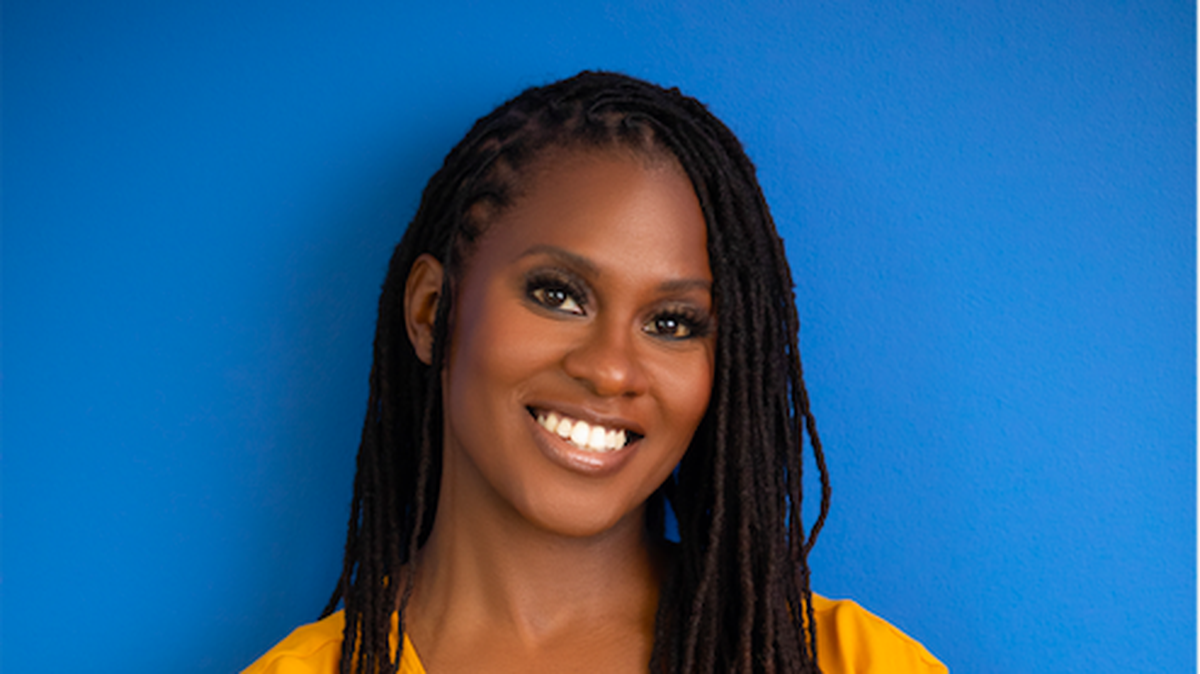
Candice Nicole Hargons Ph.D. is a licensed psychologist who founded the Center for Healing Racial Trauma in 2019. She is also an assistant professor in the University of Kentucky counseling psychology program.