
Ky lawmakers must legalize historical racing and bring much needed revenue to state
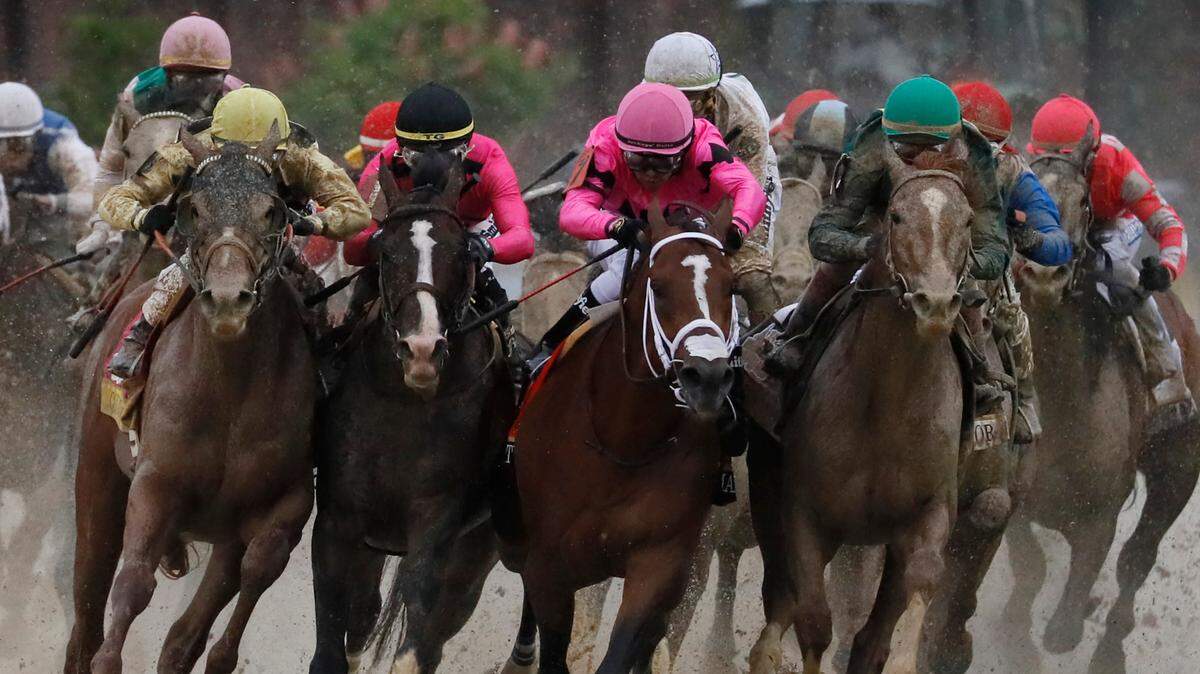
The Kentucky Supreme Court’s recent ruling that historical horse racing (HHR) slot machines do not meet the definition of parimutuel wagering puts responsibility on the General Assembly to act and clarify their legality. We must do so this session, and ensure continued support for our valued horse industry.
At the same time, we must also correct a mistake of the past and increase the outrageously low tax rate on these machines so that our schools, health, and other vital services benefit as well. That low rate has allowed large casino corporations to make enormous profits from HHR even while our essential public investments are shortchanged.
Betting on HHR slot machines has grown 463 percent in the last 5 years, and will total approximately $3.6 billion this year. That’s three times more than Kentuckians will buy in lottery tickets, and twice what is bet on the lottery and live horse racing combined. The Racing Commission has approved thousands more of these machines, so those numbers will only go up.
Yet the state budget collected only $15 million in General Fund tax revenue from these machines in 2020, compared to $274 million from the Lottery.
That’s because the tax rate equals only 18 percent of gross commission, of which only 8 percent goes to the state budget, with the rest going back to the industry. That’s far lower than nearby states’ tax rates on slot machines. For example, slots are taxed at 33.5 percent in Ohio, up to 40 percent in Indiana, up to 50 percent in Illinois and 53.5 percent in West Virginia. Other top horse racing states also tax slot machines at much higher rates than we do: Maryland at up to 61 percent, New York at up to 65 percent and Florida at 35 percent.
Clarifying the legality of HHR will allow the continued growth of dollars to purses for winning horses and for breeding. And increasing the tax will allow us to reinvest in our schools, human services, health care and infrastructure at the same time.
A longtime argument for casino gambling in Kentucky was that people are crossing the borders into Ohio, Indiana and other states to play them regardless — giving our neighbor states the tax revenue. Through the backdoor method of HHR slot machines, we now have slots in Kentucky. But because of the egregiously low tax rate, we are not seeing the tax revenue we should. We’re paying the social costs of gambling but receiving little of the benefit.
Just increasing the tax on HHR slot machines to be on par with nearby states would raise approximately $100 million annually for education, healthcare and other key public investments. That revenue would make a major positive difference after a decade of painful budget cuts, allowing us to do things like address the unemployment crisis by modernizing our unemployment system.
When the existing tax rate on HHR slot machines was established, the explosive growth that would follow was not foreseen. It’s resulted in enormous profits for large gambling corporations even while the General Assembly has had to make harmful cuts to critical public services. Churchill Downs has seen its stock price soar 400 percent in the last 5 years thanks in large part to slots.
We must show leadership now. We have a chance to correct our mistake this legislative session and ensure Kentucky is getting its fair share.
Doing so will allow us to reinvest in our kids, our communities, our health, and our economy at one of the most critical moments of this century. It’s the only politically feasible opportunity in the near future to raise real new tax revenue that Kentucky and Kentuckians so desperately need.
We support Kentucky’s horse industry. Now we’re asking the horse industry to support the people of Kentucky.
Tina Bojanowski, District 32, George Brown, Jr., District 77, Tom Burch, District 30, Jeffery Donohue, District 37, Kelly Flood, District 75, Nima Kulkarni, District 40, Mary Lou Marzian, District 34, Reginald Meeks, District 42, Charlie Miller, District 28, Patti Minter, District 20, Ruth Ann Palumbo, District 76, Josie Raymond, District 31, Attica Scott, District 41, Buddy Wheatley, District 65, Lisa Willner, District 35.
This story was originally published February 8, 2021 at 11:26 AM.