
Youth suicide is complicated and cannot be blamed just on closed schools
“Let them Learn” has become a familiar moniker among parents frustrated by the continued closing of schools in Fayette County and the distress, anxiety, and, sometimes, suicidal thoughts these parents are connecting with their school-aged children’s loss of in-person learning. A front page New York Times article has fueled the outrage over closed schools nationwide and superintendents of schools are feeling pressure to re-open them due to mental health concerns. In fact, the Clark County, Nevada (Las Vegas) school board has approved a phased in approach of some elementary school grades and groups of struggling students, even though the greater Las Vegas community continues to post huge COVID-19 numbers. Under pressure from parents accusing them of extending the misery of their children and, hence, their mental health safety, superintendents are having to weigh the risks of further infection and death with a promise of more psychological stability.
While there is so much we do not know about the short and long term consequences of COVID-19 and the related quarantining and isolation, there are a number of facts that must be considered as the debate over whether to reopen schools is waged. The most important is that suicide is never the result of one event. Youth suicide rates have been rising for more than a decade, so it is impossible to pinpoint school closure as an explicit cause. Both nationally and in Kentucky, suicide death data lag behind by two years, taking time to be funneled through the state systems up to the Centers for Disease Control for official reporting. We do not have any evidence that suicide death rates are rising and, in fact, public health experts have been whispering that actually they are decreasing, but that contacts with nationwide National Distress Hotline and the Crisis Text line have increased.
As clinicians who study suicide and work closely with children and adolescents in various settings, we can both attest to the anecdotal increase in volume of distressed, anxious, and sometime suicidal children and adolescents. Quarantining has been difficult for all members of the family to endure. Much has been written about the uptick in interpersonal violence, drinking, overeating and other COVID-19 related ills. What we do know is that all the calling the National Suicide Prevention Lifeline, messaging the Crisis Text line, and telling adults if you need help, seems to be working.
One major way that people have been able to seek help through the pandemic is teletherapy. In fact, just this week, HB 38, allowing individuals to seek psychological services across state lines, was passed unanimously by the House Licensing & Occupations Committee yesterday. The Eastern Kentucky University Psychology Clinic houses the Trauma and Suicide Prevention Clinic which provides these life-saving treatments to children throughout the state. Pandemic conditions have not stopped the therapists there from delivering these services through telehealth. Since last March, EKU has delivered care to over 3,900 clients, many of whom were suicidal children, adolescents, and adults. Therapy works and suicide focused treatment delivered in an electronic format also works. Telehealth is a game changer and people now have unprecedented access. No need to miss school, sit in a waiting room, or have someone try to talk to you behind a mask. You can have therapy for your child (or yourself) in the privacy of your own home!
Suicidal ideation and behavior are serious challenges to our survival. Children and adolescents have less ability to problem solve, cope effectively, and understand the consequences of their behavior, which is why prioritizing them in this pandemic is critical. However, opening schools is not the only answer. There has been no published research on the impact of school closures on child mental health, however, science continues to manifest incredibly promising treatments for suicidal ideation and behavior and in ways that we would never have thought.
Many parents are concerned their children are “falling behind.” This kind of thinking needs to stop. No one is falling behind. We are living through a global pandemic that will impact us all in multiple ways for decades. At least this pandemic, unlike the last one in 1918, does not kill children. Children are mostly unharmed from this experience, but children who lose parents, grandparents or teachers, or who contract COVID-19 and experience heart or lung changes, might live with the impacts of this for the rest of their lives. The vaccine is almost here for all of us. A few months more, if enough people take the vaccine, and we can regain our lives from before.
We know that it has been a difficult time for everyone, but especially difficult for kids to be out of school and sports and other extracurriculars. If your child is having difficulties, help them understand that they are not alone. Have them reach out to a teacher or other trusted adult. Ask them about suicidal thinking. Find a therapist they can see online. Vaccines are rolling out. Hopefully soon all schools will be able to safely open. In the meantime, wear your mask, wash your hands and talk to your children about their mental health.
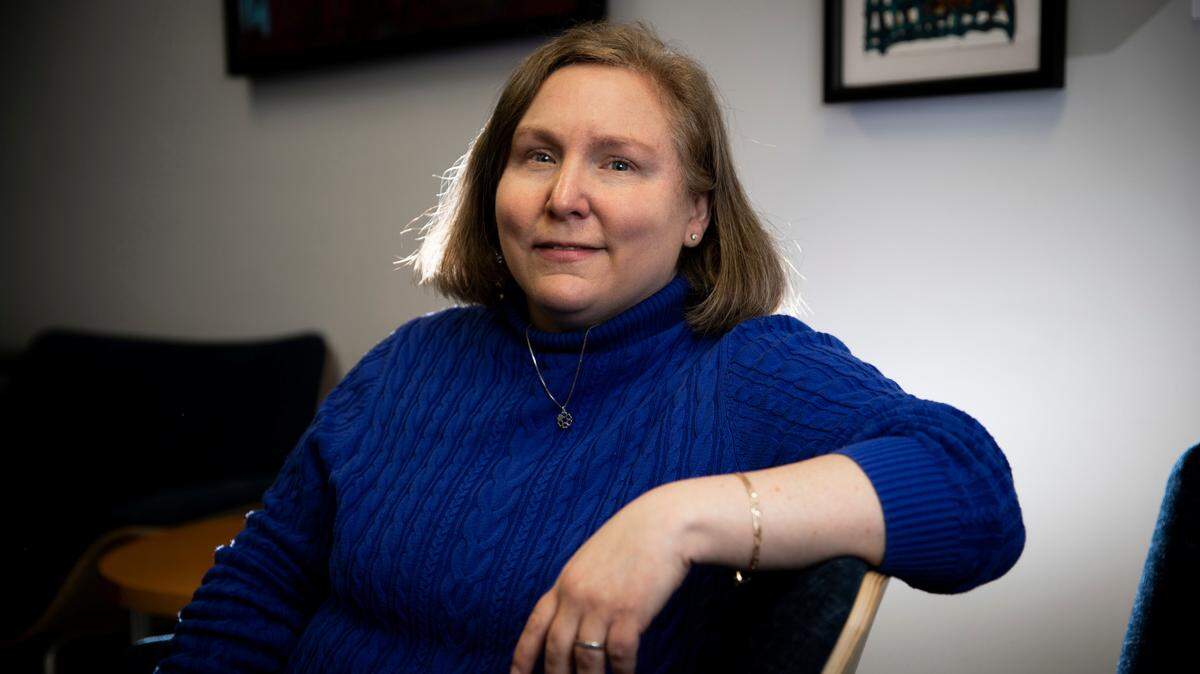
Melinda Moore is an Associate Professor in the Department of Psychology at Eastern Kentucky University and Julie Cerel is Licensed Psychologist and Professor in the College of Social Work at the University of Kentucky.