
Immigrants like me are often entrepreneurs. But we face the biggest hurdles to success.
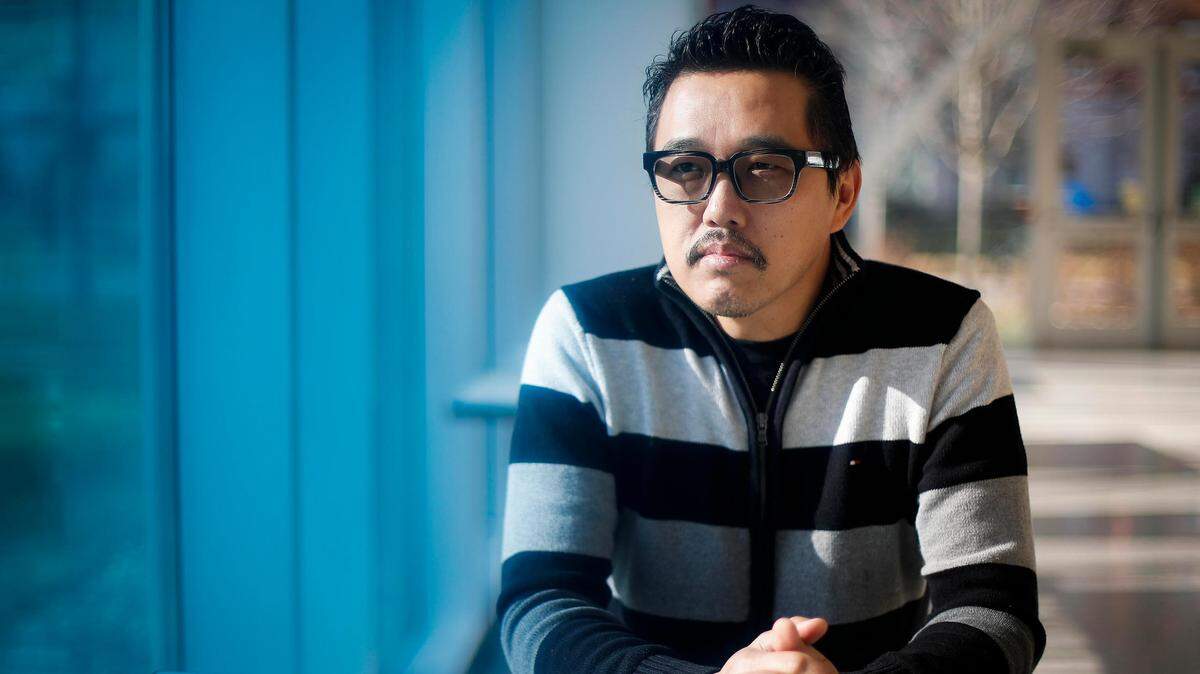
When I opened my restaurant Atomic Ramen in 2017, I knew it was going to be hard. I had many friends in the hospitality business and I had no illusions about the industry. Sixty percent of restaurants don’t make it past the first year and over eighty percent shutter within five. But I was confident;I had investors backing me financially, I had seasoned professionals I could tap for advice, and I was savvy with marketing and social media. I thought I had it all figured out. But you know what, it was brutal. Nothing can really prepare you for the fickleness of the dining public or the unpredictability of weather, not to mention juggling new hires, creating menus, fixing broken coolers, and reading (then not reading) Yelp reviews. My three years in business at the Summit—we closed in 2020 due to the unforgiving Covid-19 pandemic— was as stressful as it was rewarding.
Looking back, becoming a small business owner might have been inevitable for me. I immigrated to the States from China with my parents when I was just a kid. After my family settled in Lexington, my dad quit the research job at UK that brought him here to open a Subway sandwich shop. As a high school, then college student, I got to witness firsthand all the do’s and don’ts, the joy and pain of running a small restaurant. As a typical teenager with big dreams, I wanted nothing to do with inheriting their business, or even a life like theirs. And yet, that entrepreneurial spirit seeped in anyway. In my late 20s living in Brooklyn, New York, I opened a hole-in-the-wall video store (remember those?) I ran it for almost ten years until the streaming services demolished the rental industry.
After I moved back to Lexington, I slowly began my professional culinary career. By the time the opportunity to open a brick and mortar restaurant came along, I thought I was ready. But even with all the advantages I had, running my own small business was one of the hardest things I’ve ever done.
And my story is by no means unique. Every year in America, tens of thousands of new small businesses are started by immigrants like me, along with women, Black, Indigenous, and other people of color, and those in the LGBTQ+ community. People like us make up a disproportionate percentage of entrepreneurs in this country, yet we often face the biggest hurdles. Many immigrant and refugee would-be-business owners don’t have access to traditional capital like bank loans and private investors. They aren’t always connected to American culture or fluent in English, or they don’t have the social networks to point them toward the right landlords, realtors, contractors, or electricians. Instead, many in this community have to scrape together their life savings and borrow money from relatives. They may not know better than to publish menus full of spelling and grammar mistakes, and they have no choice but to set up shops in low-rent, sometimes low traffic areas, and to muddle their way through construction, fit-up, equipment purchases, and hiring of services. These circumstances are not deal breakers; We small business folk are an adaptable, ingenious lot who know how to make due with very little. But these hurdles put immigrants, refugees, and other marginalized communities at a huge disadvantage in an already competitive marketplace.
And if all this wasn’t hard enough on a small business owner, we’ve now all been forced to wrestle with the consequences of a global pandemic. Setting aside the wrenching impacts on public health of COVID-19, the economic effects have been nothing short of devastating for independently-owned businesses, especially restaurants. Chinese restaurants in particular have had to endure xenophobia-driven loss of business in the beginning of the pandemic when some Americans blamed China for the virus. Government assistance for small businesses has been sporadic at best, and immigrant and refugee business owners have had an even more striking lack of access to loans, grants, and other rescue packages; much of the Paycheck Protection Program (PPP) funds went to large corporations. While chain restaurants and those with corporate backing drew on their financial reserves, downsized, and hunkered down, beloved mom & pops burned through their bank accounts in an attempt to stay in business. Many had to close their doors for good.
Beyond the many statistics showing the power, resiliency, and outsized economic contributions of immigrants, refugees, and other marginalized peoples, what we gain from a diversity of business owners is far greater. What would American cuisine be without samosas, souvlaki, or spring rolls? When we lose these businesses, we lose the vibrancy of American culture.
So what can be done? The problem isn’t the difficult game of entrepreneurship. The problem is the unevenness of the playing field. Without generational wealth, cultural and linguistic fluency, and access to capital, immigrants and refugees have a much steeper hill to climb to reach success. The leveling of these inequities must come in the form of greater access to those resources. Those who hold and distribute these resources— be it banks, or federal, state, or local government— must not only set aside resources such as loans, grants, tax incentives, training programs and business mentoring to those who need it, but they must also do the outreach to make sure the communities in need actually receive those resources.
As Americans, nearly all of us are immigrants or the descendants of immigrants. We all continue to strive to make this a greater country with our ingenuity, drive, and hard work. We know how to make it to the finish line ourselves. Some of us just need help getting to the starting line.
Dan Wu is a Chinese immigrant, owner of Atomic Ramen, and community activist & organizer.
This story was originally published February 18, 2021 at 11:36 AM.