
I was relieved to get COVID-19 vaccine. Here’s why you should get one too.
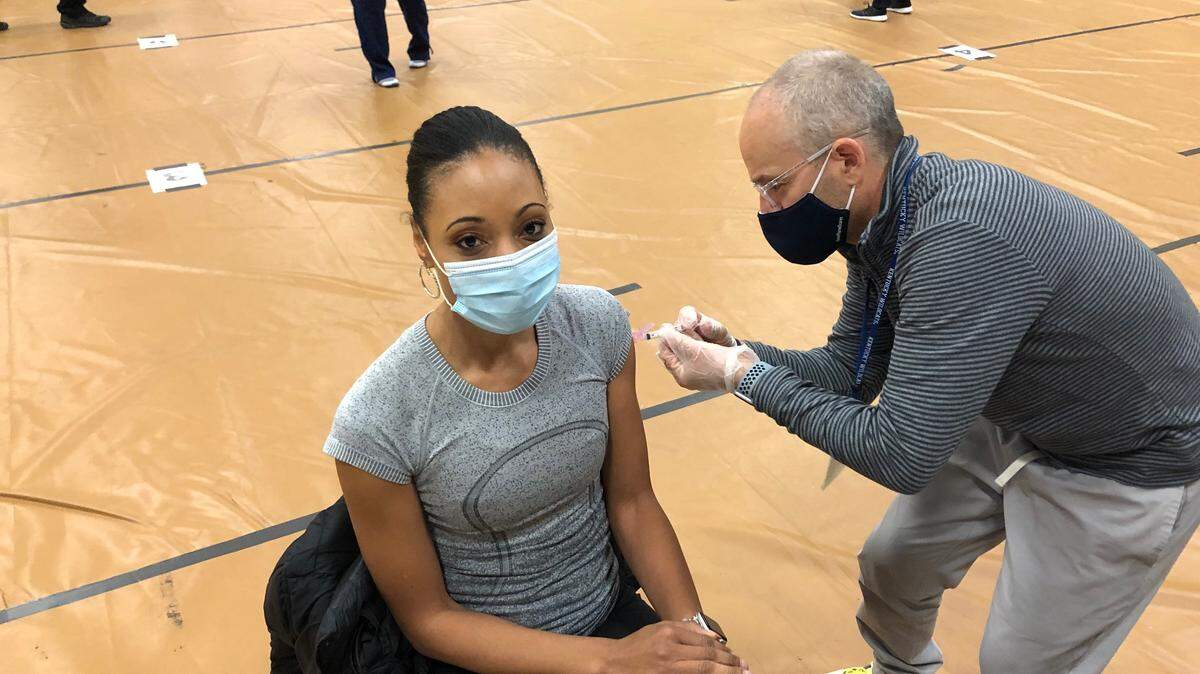
Receiving my COVID-19 vaccine last month was an emotional experience. As a physician assistant (PA) and as a medical educator, I was relieved by the arrival of these vaccines after witnessing the devastation this virus has caused over the last year, especially on marginalized communities of color.
Unfortunately, Black and Indigenous communities of color have a greater chance of contracting COVID-19, being hospitalized, and dying from the virus.
Despite the proverbial light at the end of this dark tunnel, I am understanding that everyone does not share the same enthusiasm as I do for the COVID-19 vaccine. Particularly, many of my patients of color – and even some of my family and friends – have raised questions and concerns about the vaccine efficacy or the possibility that it could lead to further health problems. This skepticism is firmly based on a long past history and current experiences of exploitation and medical abuse of Black and Indigenous people in our nation.
As a PA who self-identifies as a person of color, it is important to me to serve as a role model for others. I am a mother, daughter, educator, and healthcare provider – all of which are reasons enough to get vaccinated.
I chose to do my part in lowering the risk of exposure and transmission of this deadly disease. Additionally, it is important for me to demonstrate to my patients the confidence I have in the science.
While I may fully trust the safety and efficacy of the vaccines and want to encourage all eligible individuals to get vaccinated, I would be remiss if I did not acknowledge and validate patients’ concerns held about the vaccine. As with all healthcare providers, it is our duty to listen, address concerns, and provide answers so individuals can make informed decisions on receiving the vaccine. Healthcare providers are here for YOU.
Helping to address people’s distrust in the government, medical institutions, and the medical community is certainly challenging. We know that racism is present in our structural systems and influences our culture of health; we cannot ignore the impact this has on patients throughout Kentucky as we enter the next stage of the vaccine rollout.
I want all patients in Kentucky to know that a tremendous amount of research, time, and expertise has been dedicated to the development of these vaccines. Moreover, researchers have been studying other coronaviruses, like the common cold, for years, which provided a strong base of research knowledge from which to work.
Additionally, vaccines must go through rigorous safety protocols, regulations, and reviews established by the U.S. Federal Drug Administration (FDA) and the Advisory Committee on Immunization Practices (ACIP). All vaccines are continually undergoing safety surveillance and monitoring.
Ultimately, every community needs to understand the science and research behind these vaccines. Individuals must make their own informed decisions. However, I encourage everyone to take a critical look at the information about these vaccines from reliable sources, as misinformation is abundant on social media platforms.
No question is a stupid question – so don’t hesitate to ask your PA, your physician, or other medical providers. Patients have asked me every question in the book, and I treat each patient just as I would a family member.
As a medical provider, I would not allow my family to receive a vaccine that greatly concerned me, nor would I encourage my patients to receive such a vaccine.
I chose to do my part in lowering the risk of exposure and transmission of this deadly disease. It is important to me to know I am doing something for the greater good.
DeShana Collett, Ph.D, PA-C, is a practicing PA at Bluegrass Family and Extended Care in Lexington, Kentucky, and an Associate Professor in the College of Health Sciences at the University of Kentucky.
This story was originally published February 25, 2021 at 1:06 PM.