
The Karen Brown case should force us to rethink Ky’s prison and parole system
Why do we lock people up in Kentucky? Do we want the offenders punished, rehabilitated, or are they to be used as lessons to others? We need to decide. Our justice system should be built around our conclusions.
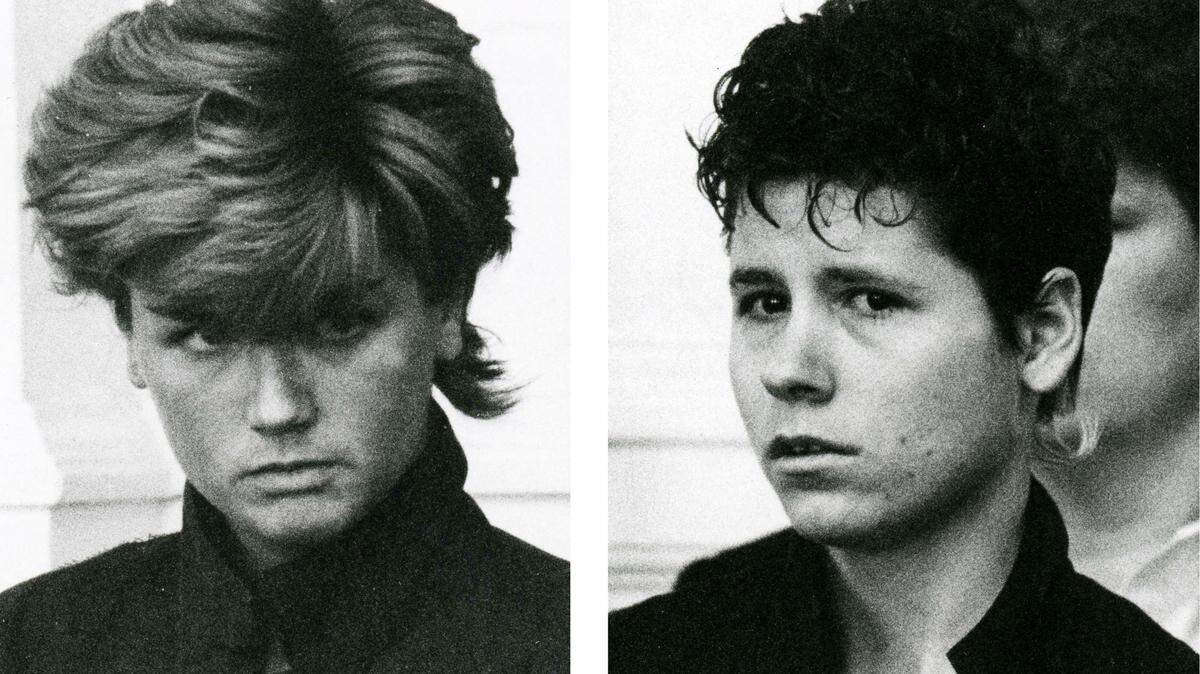
The recent decision about Karen Brown, an accessory in the highly publicized Turpin murder case from 1986, is a textbook example of what is wrong with our system. Seeing the parole board for the third time, Karen was given a “serve out” on a life sentence which means she will never be released from prison and can never again be considered for parole. We will be paying for her prison care the rest of her life.
Karen has been incarcerated for 34 years. She worked for me years ago as my clerk in the college program at Kentucky Correctional Institution for Women. We stayed in touch over the ensuing decades. As years passed, Karen labored long over her education, working her way through correspondence courses to a graduate degree in Christian counseling. She purposely found meaningful prison jobs over the years that made a difference – typing books in Braille for the blind, working in the chapel program, using her art and music to inspire others. She built an excellent institutional record. Her Christian commitment is deep.
She approached the parole board with a packet thick with her accomplishments and stacks of letters attesting to her rehabilitation that supported her release. She had offers for meaningful employment, a reentry group to help her. As allowed, the victim’s family, still suffering deeply after 34 years, met personally with the parole board and begged them to never release Karen. They contacted the newspaper and TV stations who publicized the case, but who made no attempt to interview Karen or her supporters.
The parole board member interviewing Karen at the hearing commented on her accomplishments and unusual amount of support, but said the hurt she caused outweighed her accomplishments. In other words, in the mind of the parole board, the purpose of incarceration was punishment, not rehabilitation.
And there is the rub. The parole board is mandated to consider objective issues of rehabilitation and the safety of society in making their decision. Their only consideration with Karen was “seriousness of the crime,” a condition that can never be changed.
As a sociologist, I conducted a study of fifty inmates over a twenty-year period. In that group were a large number of men who had taken multiple lives. Since then, many have been released, demonstrating their changed lives. They are in our communities, doing well, working, owning homes, paying taxes.
The ones remaining in prison today after decades of confinement are those who have victims actively arguing against their release. I do not want to negate the pain of the victims, but neither do I want to pay for their lingering anger. If Karen lives another 30 years, we will have paid the equivalent of nearly two million dollars in today’s money to keep her locked up. For a state that is second in the nation in child abuse and which struggles at the bottom of all social indicators, we need to allocate our resources better.
Kentucky citizens are paying these extraordinary bills without fully understanding the complex issues of parole that involve politics, power, and fear. The governor needs to appoint a group of administrators, citizens, politicians, and ex-offenders. The discussion should be wide ranging and public. It is too late for Karen Brown, but we must take a new look at Kentucky’s parole and prison practices through legal, moral, and monetary lens. It affects us all.
Gaye D. Holman is a retired sociology professor and author of “Decades Behind Bars: A Twenty-Year Conversation with Men in America’s Prisons.” She worked for years in prison educational programming and with a reentry group helping ex-offenders reenter society.