
Fayette County Public Schools need more mental health counselors, not more police
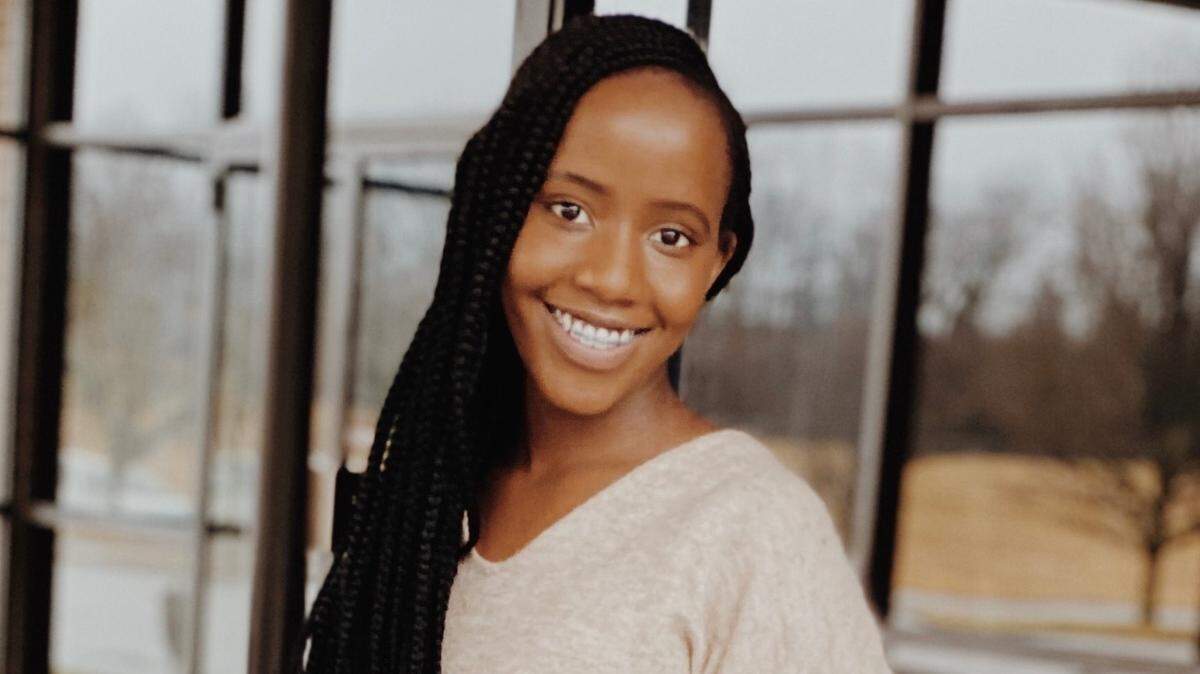
On March 4, FCPS canceled a meeting with me and fellow students in our district to discuss why we should reduce police officers in our schools. In response to our complaints about the district dodging the meeting, a district spokesperson claimed they wanted to hear from students “but not on terms driven by national organizations whose premise fails to take into account the true nature of our school district.”
However, this statement misinterprets the Counselors Over Cops FCPS group. We are a group of students, parents, and educators working for a new approach to school safety: One that addresses the root causes of misbehavior, is less punitive, and prioritizes the safety of all students. Our group provides a peer support group to students who have had negative interactions with their school law enforcement officers and a platform to voice their concerns.
FCPS’ current police-centered approach harms students of color and students with disabilities disproportionately and does not make us safer. We have five police officers in every high school. Why do we need police in our schools instead of the people trained to meet the emotional, social, and academic needs of students?
School resource officers (SROs) are armed law enforcement officers policing hallways and classrooms. They often arrest students for minor disciplinary issues, making these officers part of the larger school-to-prison pipeline pushing students out of school and behind bars.
SROs are supposed to protect students, but they end up harming us. In addition to referring kids to the juvenile justice system, SROs repeatedly violently mistreat Black, Brown and Disabled students.
A few years ago, a friend told me that an SRO harassed her for taking a trip to the bathroom with no hall pass. Also in the halls were four white students, whom the SRO ignored to wait for my friend outside of the bathroom. When she exited, the officer followed her back to her classroom with a hand on his gun. She was in tears as we spoke, sobbing because the place where she was supposed to feel safe and able to focus on learning was now putting her in danger.
While we keep marching for racial justice around the country to end police brutality, we should not overlook the roles that our schools play in perpetuating our nation’s systemic injustices. Search “School Resource Officer brutality” online, and you’ll find pages of complaints about excessive force written by kids who haven’t even reached high school.
These are the stories the district is missing by not meeting with us. No children should have to walk school hallways afraid that a gun will be pulled on them by their school’s SRO.
Beyond the known stories of excessive force, we must seriously examine the disproportionate arrest rates and excessive punishment of Black and Brown students. When we consider that SROs are officers of the law — not of the school — who often have little-to-no training in working with children, it’s not shocking that their policing statistics parallel those of their colleagues policing our streets.
Let this sink in: According to the Kentucky Department of Education, Black students make up 23 percent of the student population in our district, yet they also make up 62 percent of incidents involving school police, 86 percent of arrests, and 92 percent of charges.
The district has also drastically increased the size of its police force to 63 officers, which means even more harmful interactions with the police are in store for students.
As students, we are in the best position to judge the services being provided in our schools. We want to have conversations with the district to make change, but ultimately we need FCPS to not mistake the voices of students for that of national organizers and listen. And that starts with showing up.
The good news is that on March 17, Counselors over Cops met with the administrators from our district including the Acting Superintendent Marlene Helm, the General Counsel, Director of Communications, the Police Chief, the Director of Student Supports, and Mental Health Coordinator. Board members Christy Morris and Tom Jones also attended.
We shared the negative experiences students have had interacting with school police and the need for more mental health support in the district, especially given the pandemic. We spoke to our own personal experiences but also those of students in the district who we surveyed about school policing.
Acting Superintendent Dr. Marlene Helm told us she was sorry that the district had failed us and that we weren’t receiving the services we need. She also committed to bringing these experiences back to the district and reviewing our recommendations. We appreciated that recognition and commitment and look forward to seeing the district not only hear us out, but act on our demands.
Micheline Karenga is a 17 year old student at Lafayette senior high school and the lead organizer of CounselorsOverCops FCPS a group seeking to reduce law enforcement officers at FCPS.
This story was originally published March 18, 2021 at 11:23 AM.