
Refugees ‘are proud to call ourselves Kentuckians.’ I pray my neighbors see that.
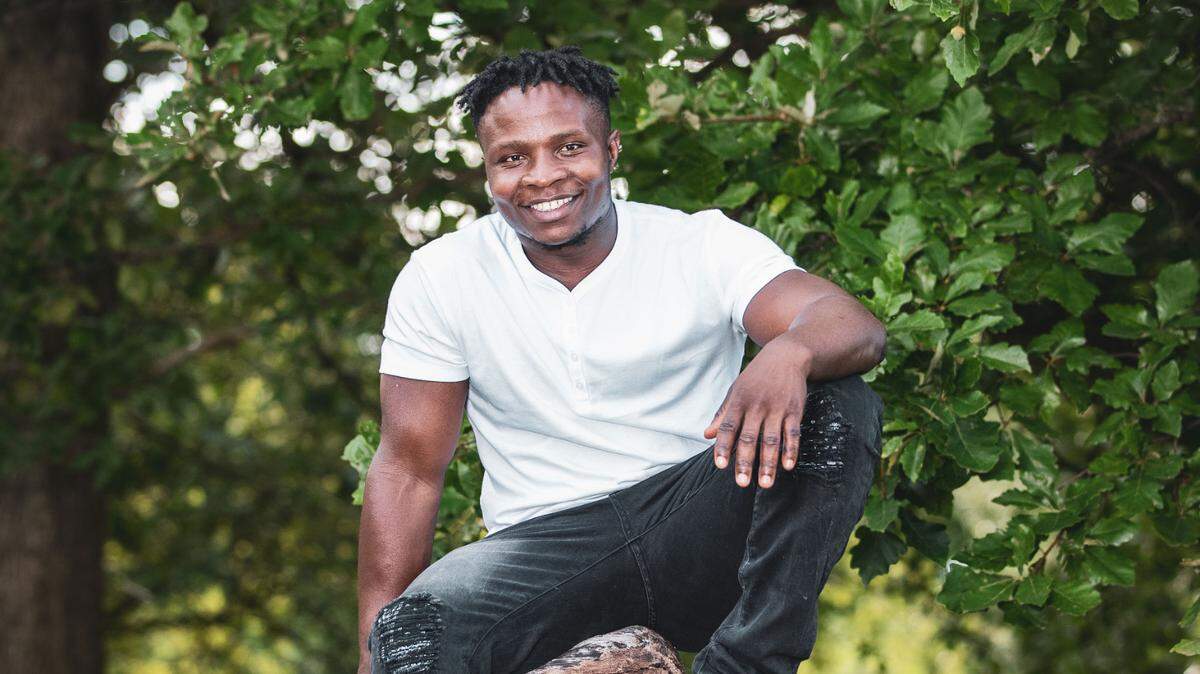
On May 3, President Biden announced that he would raise next year’s refugee cap to 62,500, up from the Trump administration’s record-low of 15,000. As a refugee who came to Lexington in 2012, fleeing violent militias in the Democratic Republic of the Congo, I felt a swell of happiness. Thousands of vulnerable people around the globe would again have the chance to rebuild their lives in America and contribute all they could to this amazing country.
Still, I wonder if my fellow Kentuckians shared my optimism. I know many people in my community voted for our former president, a man who called people like me the “worst of the worst” and referred to our native lands as “sh--hole countries.” In 2018, after sharing a family photo on social media, a member of my church reposted it with the caption, “I like these refugees.” Her heart was in the right place, but to this person, I seemed to be the exception, not the rule. The truth is the opposite, and it’s something I hope and pray my American-born neighbors will open their hearts to see.
Kentuckians may be surprised to learn that our state is fifth in the nation for refugee resettlements, with 30,800 refugees calling the Bluegrass state home. Congolese refugees like me account for the largest group, and Swahili is now the third most spoken language in Lexington. To me, this diversity is beautiful. We make significant economic and civic contributions. Healthcare is the second most common professional field for refugees, according to New American Economy. The workforce gaps we fill as personal care and home health aides are especially vital in Kentucky given that 42.2 percent of our adult population is living with some kind of disability, nearly double that of the country overall. And a significant portion of our population is living with multiple chronic conditions. We also fill critical shortages in the food supply chain, including agriculture, and we start business at a higher rate than both other immigrants and native-born Americans. All of this is vital to our state’s economic health and post-pandemic recovery.
Since college, I’ve worked as a health aide in long-term care facilities for our state’s elderly population and those with disabilities. Like so many of my refugee colleagues, I spend many days with Kentuckians in need of care, from grandmothers to veterans. We bathe them, assist with their basic needs and treat them with respect. I chose service-driven professions like these, because I crave human connection and community. In the Congo, aunts, uncles, cousins and neighbors all look out for each other and help raise local children. We’d cook meals of Cassava leaves and beans all together in our outdoor kitchen. When we landed here in January of 2012, the snow-sprinkled bluegrass was beautiful. But winter meant isolation, with people rushing from their homes to their cars. My twin and I were 17, and our five siblings ranged in age from 8 to 22. Even though we spoke three languages—Swahili, French and British English—we didn’t always understand the southern accents. I remember wondering how we’d ever fit in.
But like most refugees, we did. Three of us enrolled at the same local high school. I joined the wrestling team, while my brothers played soccer, and we eventually built new relationships. After graduation, I attended Bluegrass Community & Technical College and paid my way by working at a home for people with disabilities. In 2019, I opened the Rafiki Center, a nonprofit that supports Lexington’s Swahili-speaking community and helps forge connections with our American neighbors. We provide language assistance, parent advocacy and community-building for newcomers. We also run educational and cultural events to teach native Kentuckians about our background. America has shared so much with us; we want our American neighbors to enjoy the richness of our culture too.
After nearly a decade in Kentucky, I can confidently say that refugees here want the same things our American-born neighbors do: to support Lexington and help it thrive. If I could speak to that person from my church now, I would ask: “You gave me an open mind. Why not do the same for all refugees?” My drive to give back is not unique, nor is my gratitude to this country. Like you, we are proud to call ourselves Kentuckians.
Elisha Mutayongwa is the founder of Rafiki Center, a nonprofit creating cultural connections and highlighting the Swahili-speaking community in Lexington.