
Fireworks are fun, but beware dangers like hearing loss
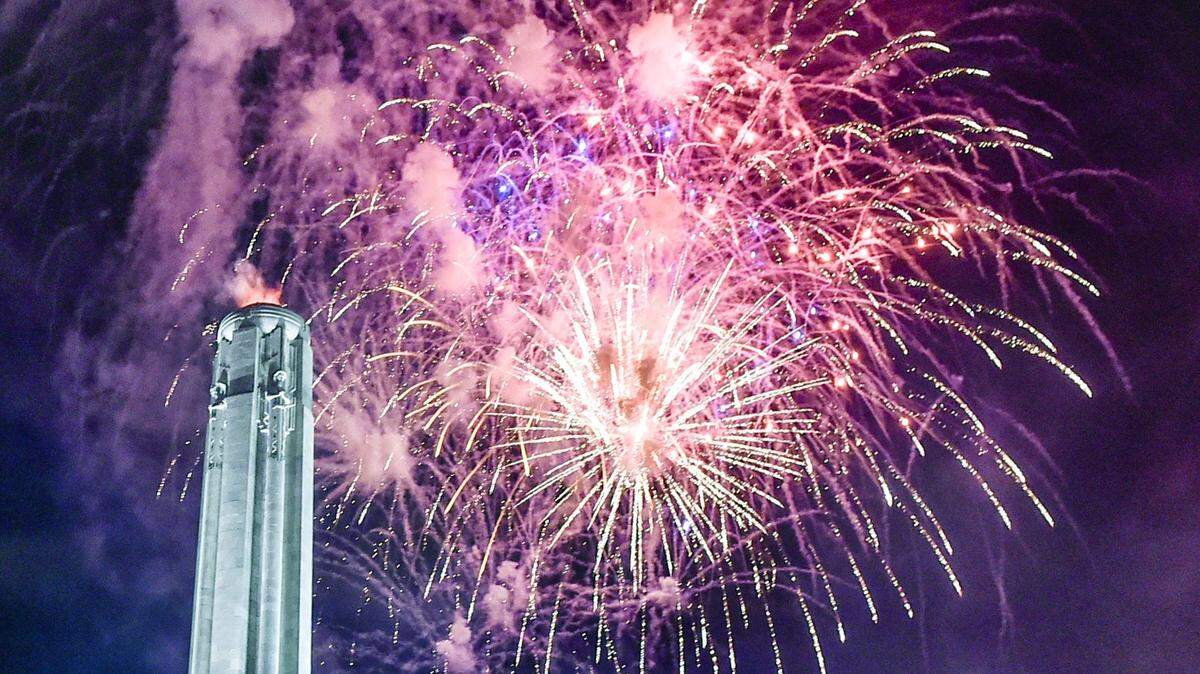
As COVID-19 precautions lift and reopening plans are solidified, many may stock up on fireworks as part of their Fourth of July celebrations … and to make up for time lost for celebrations during the pandemic. While fireworks are a Fourth of July staple, burn prevention isn’t the only thing users should be aware of during their celebrations.
Excessive noise exposure caused by the explosions can pose serious hearing risks to audiences.
It’s been proved that noise-induced damage is one of the top reasons for hearing loss among Americans; in fact, nearly 40 million Americans suffer from hearing loss due to excessive noise pollution, according to the Centers for Disease Control and Prevention. Studies have also shown that hearing loss is associated with anxiety, depression, loneliness and stress. Additionally, excessive noise exposure can contribute to the worsening of heart disease, and increased blood pressure, among other health detriments. Those susceptible to further hearing damage can be especially vulnerable during the summer months, specifically during the Fourth of July when colorful explosions are considered a holiday hallmark.
In general, sounds above 85 decibels are considered harmful and can damage the tiny hairs in your inner ear that aid in hearing. The average human has about 16,000 of these hair cells, but upon repeated damage to these cells, hearing loss may become permanent. Fireworks can exceed 150 decibels, creating ideal scenarios for nonrecoverable sensory damage, so it’s incredibly important to remain diligent in protecting yourself from loud noises this season.
Luckily, you can take action to preserve hearing while still enjoying the holiday.
Consider protecting your ears with earplugs or earmuffs whenever you know you’ll be exposed to loud noises such as fireworks. Great options for ear protection are foam earplugs that roll down and fit into the ear, or headphones that sit over top of the ear.
It’s important to get annual hearing exams to ensure you know your current hearing baseline.
Remember that everyday activities can contribute to hearing loss, so limiting daily exposure to noises such as hair dryers, leaf blowers, emergency vehicles, loud music or power tools can go a long way in preserving the longevity of your hearing.
Proper health care and preventive measure can help slow the progression of hearing loss. This Fourth of July holiday, set a time limit for visiting firework shows, and take preventive steps before viewing to ensure you don’t put your hearing at risk for long-term damage.
Dr. Clair Palley is a primary care doctor with CHI Saint Joseph Medical Group.