
Ending the filibuster could help begin crucial work on reversing climate change
There are many excellent reasons to suspend the Senate filibuster rule, not least of which to preserve free and fair elections, which ought to be reason enough. However, suspension of the filibuster is also our best last hope to address the climate crisis.
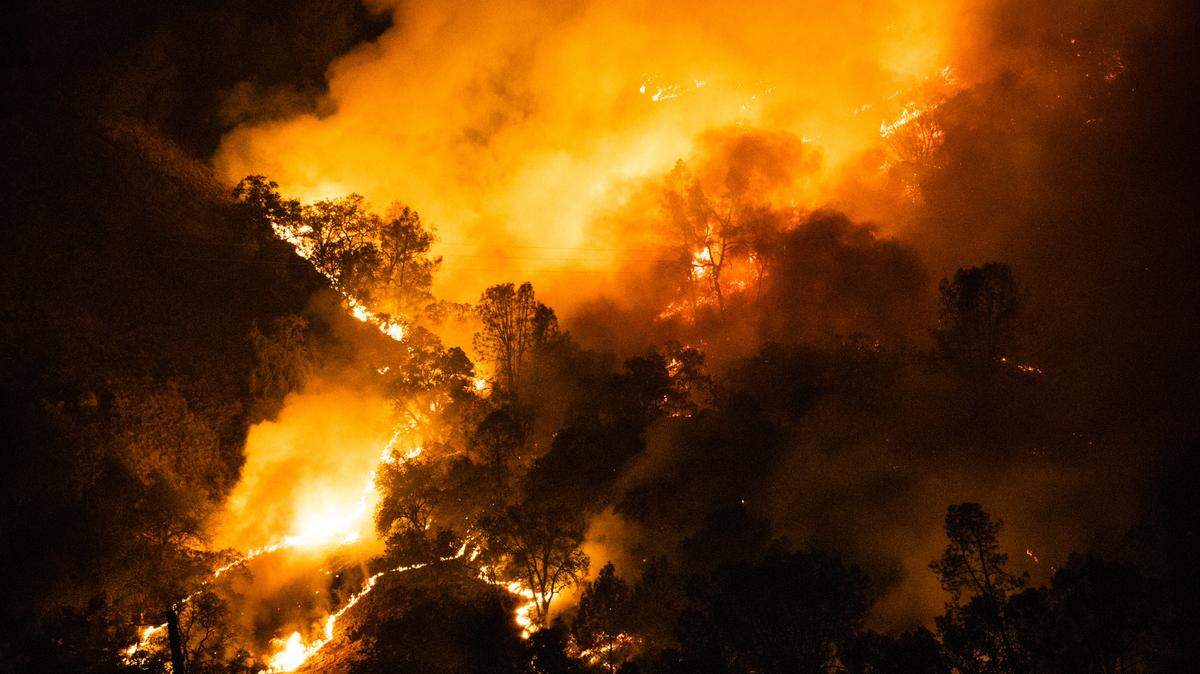
Climate change has arrived and in plain sight. We live with constant news of devastating extreme weather and long term changes in the climate system such as sea level rise, glacial and sea ice melt, ocean warming and acidification, loss of habitat, and much more; and too, the need to simultaneously adapt to this new normal of extreme weather, accelerating in severity in tandem in with everything else. Closer to home, we currently have a haze in Lexington resulting from forest fire smoke coming from the record Western and Canadian wildfires, part of a trend of epic wildfires around the globe due to a warming world.
All anyone needs to know at this point is that we are in the last minute of the eleventh hour to address the climate crisis. The UN’s IPCC estimates that our planet warmed about 1° Celsius in the past century. It is now estimated that we are warming at about 0.2°C per decade, roughly twice the previous rate.
Achieving the international goal to limit global warming to 1.5°C would require at least a 45% reduction in greenhouse gas emissions by 2030. This would be an unprecedented and rapid global transition in energy, land use, infrastructure, industrial systems, and deep GHG emissions reductions in all sectors; and to do so in a very limited amount of time. At the current rate of emissions, the science tells us that we will reach incrementally higher and more destructive temperatures over this century and that that warming would require centuries to dissipate.
As bold and unprecedented as current congressional infrastructure proposals are, they do not match the scale of the crisis, presuming some version would ever be adopted. It is hard to convey the level of effort, realigned priorities, and sacrifice required at this late date to salvage the situation; a situation made all the more difficult while at the same time needing to adapt to climate impacts already baked into the atmosphere.
There is however a ray of hope. We have a possible majority in Congress ready to take comprehensive and urgent action except for the party opposite denying the threat and dividing the country with misinformation. Ending the filibuster would be a flashlight at the end of the tunnel that might liberate the full power, ingenuity, and leadership of the US.
To argue that maintaining the filibuster is a tactical safeguard misses the point. If climate change skeptics were to study the science, they would understand that the climate crisis trumps everything else.
Ironically, there may be a tactical advantage to ending the filibuster. It may promote bipartisan cooperation. With party leaders stripped of the imperative urging their caucus to lock arms on every issue, some senators might worry more about governing than being ostracized. It may lead to more independent thinking and cooperation, critically important in dealing with multiple and interconnected threats coming our way.
Dread of filibuster reform is frequently referred to as the nuclear option. The true nuclear option is keeping the filibuster and hoping to survive the climate crisis on an ad hoc basis.
Shelving the filibuster rule would be a two-for-one deal. Its suspension could possibly save both democracy and the planet. That’s a pretty good deal. Take the deal!
Henry Jackson is a retired LFUCG strategic planning manager and climate stabilization advocate.