
Our Voices: ‘The game is rigged.’ When laws are used to hurt, not help people of color.
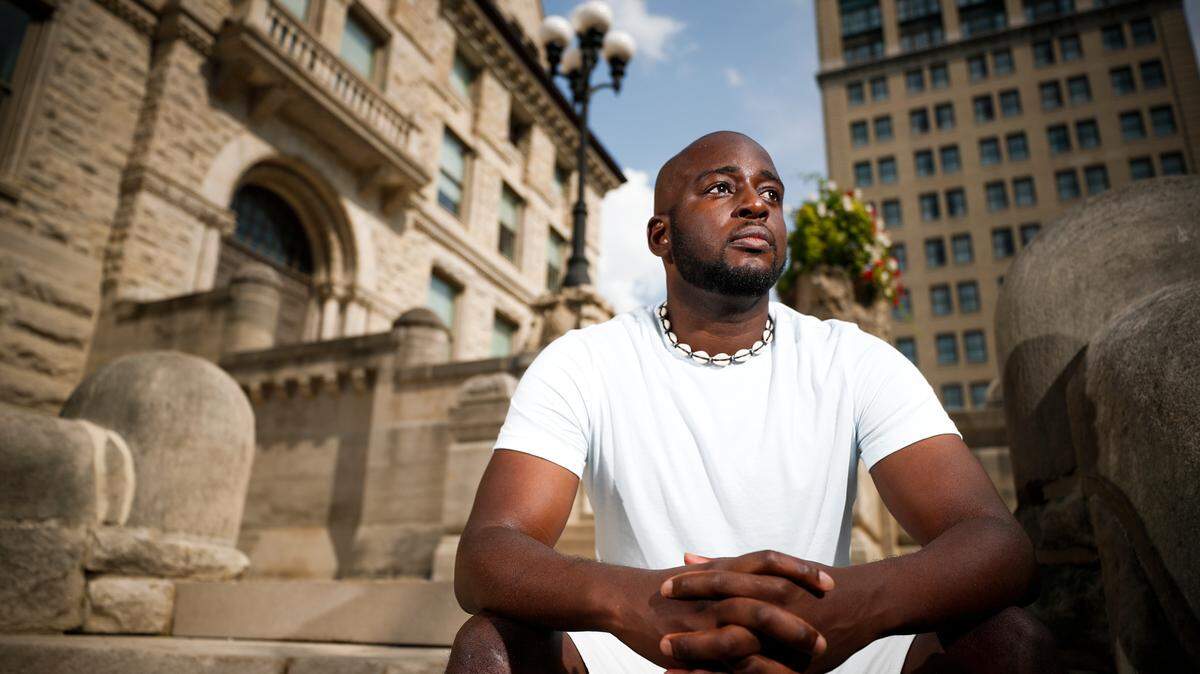
I’m no legal scholar, or lawyer, or community activist. I’m sure many of these experts could give us a thorough exposé into the deluge of legal proceedings affecting Black lives in our city. However, I am a man who has lived a Black experience. I am a biologist by trade, first generation immigrant son of entrepreneurs, and a loyal friend, fiancé, and step-father with lived experiences that lend personal insight into the matter. I’d like to focus on the simplicity found in recognizing the ills of a broken justice system from a layman’s perspective. The simplicity, that is to say, is in the changing rules of law, and how easily it is usually manipulated by citizens and public servants alike to work against minorities. Those entrusted to uphold the laws are often times heavily influenced by our public officials in order to cause us harm. There is a separate set of rules that apply to minorities and no matter how hard we try to traverse these rules, the game is rigged against us. No place in American society is this more evident than in the justice system, where a game of chicanery (tactically exercising a right for the purpose of injuring another) is played out.
I once had the privilege of attending a public health talk at Commerce Lexington while in their Leadership Lexington Program. Among the topic of discussion was the opioid crisis currently affecting Lexington. During the talks, what was most striking to me was the contrast in treatment between the current opioid epidemic and the crack epidemic of the 1980’s. It was obvious that the opioid issue centered on compassion, and how local governments deployed resources to help those affected. For the opioid addiction group predominately consisting of white men, the justice system focused on recovery and treatment. These individuals were sent to drug courts where the focus was not jail time, but treatment. For the ‘80’s crack era, the group was predominantly Black and Latino. As a result of race and politics, the justice system wasn’t as compassionate with those suffering from crack addiction. Those who needed the same kind of help given to opioid addiction instead were criminalized and given tough jail sentences. Through legislative actions, one group was given treatment through drug courts, while the other was given jail time through the War on Drugs. Why were the rules changed, I asked an epidemiologist who served on the panel? His answer quite simply was “Race”. He acknowledged that people selling and using drugs were now likely to be a legislator’s dad, mom, son, daughter, or neighbor.
All this may seem less than a trick of the pin by our leaders, and more like a change of the times. But I would defer to the current political atmosphere where our leaders seek to gain an advantage by their use of unfair practices. Most recently, we’ve seen this play out at Lexington Urban County Council, where council member Preston Worley sponsored a last-minute amendment that would limit no-knock warrants, but wouldn’t ban them entirely. While the proposal to ban no-knock warrants went through several readings, the amendment presented by Worley attempted to sidestep the ban altogether in favor of a more restrictive ordinance on its final reading. Sometimes such last minute amendments happen when council members want to introduce new ordinance changes.
In Worley’s case, however, it was a tactic to avoid the transparency which comes through the legislative process of several readings and sufficient time to introduce and consider any amendments, effectively attempting to bypass the accountability which is served by the original ordinance passing out of committee and having public comments on the record before votes are cast. Make no bones about it, no-knock warrants are a constitutional infringement on our 4th and 14th Amendment rights. But in an act of chicanery, these rights are just as enforceable as the games played by our legislators.
Everyone loves a good game. It’s in play and competition that we learn the most about ourselves: whether we’re sportsmanlike or sore losers. The lessons we learn in games eventually serve or hinder us in the larger Game of Life, where we compete for the best wages, spouses, and homes to raise a family. But what if we discovered that the game was rigged?
With any game, the rules are typically laid out so that the players can understand how to win. This isn’t true for the Game of Life though. Undoubtedly, one of the most arduous parts about being a parent is teaching our kids the rules which will allow them to be successful and contributing members of society. But one of the universal truths that we tend to impart to our kids is that life isn’t fair, and no matter how hard you try, the rules don’t always apply. This is especially true when it comes to minorities. Whether it be freedom of speech, qualified immunity, or critical race theory, people are abusing the law to adversely degrade the civil rights of minorities. Our lives, dignity, and basic human rights are continually under attack, in addition to the moral trespass by our legislators that use the laws and regulations meant to protect our constitutional rights against us.
David Laurenvil is a biologist and first generation immigrant son of entrepreneurs.
This story was originally published August 13, 2021 at 9:21 AM.