
Kentucky’s nursing shortage not about supply but retention in tough working conditions
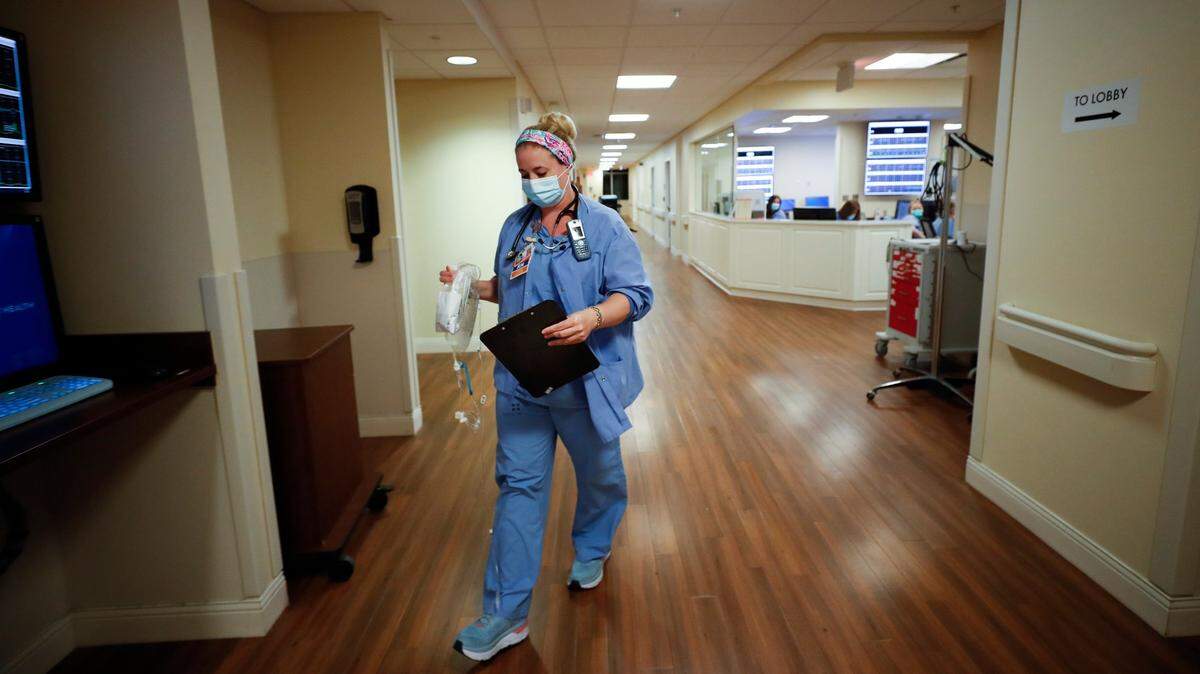
I am not surprised that Kentucky is facing a nursing crisis with a projected need of an additional 16,000 nurses by 2024. This is a problem of retention not production of nurses. A problem which has been decades in the making. I first wrote a Lexington Herald Op Ed on this problem in April of 2007 entitled “Too much expected of too few nurses. Frontline caregivers get little support in protecting patients.” Needless-to-say, little has changed in the ensuing years and the crisis has been greatly exacerbated with COVID-19.
Nursing production in the state has markedly increased over the years. For example, the Bachelor of Science Nursing program at the University of Louisville has expanded from approximately 80 enrollees per year to almost 240. Numerous additional nursing programs have started around the state, but the shortage persists. At this point I believe that under the current working conditions, if everyone in Kentucky obtained a nursing degree, you still would not be able to meet the need.
Healthcare cannot persist as the cash cow it presently is. To maintain proper staffing and worker safety, large systems can no longer maintain billions in reserves. Instead, working conditions must change. Changes must include: Reasonable workloads including safe nurse-to-patient ratios, abundant high quality PPE (including N95 masks), frequent testing for SARS-CoV-2 (the virus which causes COVID-19) and other multi-drug resistant organisms, presumptive workers compensation, death benefits, and presumptive disability for those who develop lingering health issues from COVID-19 and other resistant pathogens. Most importantly, part of working in a safe workplace is working with co-workers who will earnestly protect the health of others. This means all must become vaccinated and diligently use protective equipment, including high quality masks.
This will not be an easy challenge to meet, since the cost of medical care for those inflicted with COVID-19 is truly staggering and continued full reimbursement may not be possible. According to FAIR Health, the average out-of-network cost of COVID-19 non-complex hospital care in Kentucky is $43,244 with an estimated allowed amount of $16,959. If the patient is admitted to the ICU, the average cost skyrockets to $246,423 with an allowed amount of $77,063. I estimated the total out-of-network and allowed cost for Kentucky patients who were in the hospital on Dec 10, 2021, to be $116,360,949 and $39,959,304, respectively. The vast majority of this care is in the unvaccinated. According to Kaiser Family Foundation, the cost of preventable COVID-19 hospitalizations among the unvaccinated is over $5 billion.(4)
Kentucky needs decisive action to not only improve working conditions but also to prevent COVID-19 from spreading. So far, only a small percentage of patients infected with the Omicron Variant have required hospitalization. However, its proclivity to readily spread may make this an unbearably high number which further strains our healthcare system. In the United Kingdom, there is fear their healthcare system will be overwhelmed by a projected 5000 daily hospital admissions from Omicron.
This year, I have had needed care for cancer delayed because of unvaccinated patients with COVID-19 filling hospitals. If we wish to maintain a viable healthcare system, rather than a crippled understaffed delivery system which triages care, we need to slow down the spread of COVID-19. We need to curtail spending COVID-19 relief funds on quasi-related projects and focus on changing our society to live with this endemic virus. This means investing in proper infrastructure including improvements in building ventilation, the provision of high-quality protective gear and the frequent testing for all employees. Curbside pickup and home delivery should become standard and for me, I religiously follow a no-mask, no tip rule.
Kevin Kavanagh is the founder of Health Watch USA.