
When it comes to addiction, meet people where they are but don’t leave them there
The Community Paramedicine Program is saving lives, and to those of us who work or study in the field of addiction, this is not surprising. The program gets right at least two things that the addiction space has for too long gotten all wrong: It meets people where they are, but it doesn’t leave them there.
For context, first let me relate a story about my late friend, Sarah. Sarah became addicted to opioids at 19 and experienced her first overdose at 23. A bystander found her overdosed and unresponsive in a restaurant bathroom. They called 911. EMS arrived, they administered Naloxone, and Sarah was successfully revived. Relieved, the first responders earnestly offered help, to the extent that they even offered her a ride to treatment. Sarah, while revived, was not well. Because she had been administered Naloxone, she was entering precipitated withdrawals. This means she was experiencing the full force of opioid withdrawal, a phenomenon that normally takes 3-5 days to occur, in a matter of seconds. Physically and psychologically, she was in abject agony. For the moment, all that her mind would allow her to consider is how to make her suffering go away again. She declined treatment and refused a ride to the ER against medical advice. Two weeks later she overdosed in her apartment, alone. She did not survive.
Sarah’s is an all too common story about a missed opportunity. The missed opportunity here is more complex than at first glance. For some, it is easy to assign blame to Sarah and to suggest that, if Sarah won’t accept treatment, there is nothing we can do for her. But increasingly, others have recognized that, just because Sarah refuses treatment, does not mean that Sarah is refusing help. Just because Sarah isn’t willing to do everything at this moment, doesn’t mean she isn’t willing to do anything. When we don’t meet people where they are, we leave them behind.
Research shows that the overwhelming majority of people who use drugs and even the vast majority of people with substance use disorders are not treatment seekers. When inpatient treatment is the only kind of support we can offer, none of the aforementioned will be helped at all. They fall through the proverbial cracks of the system and first responders become burdened with addressing their chronic diseases and complex psychosocial problems.
There is a better way. It’s called meeting people where they are or “harm reduction.” And the Community Paramedicine Program knows just how to do it. Not only does the program literally meet people where they are by dispatching to their location, but figuratively, it allows first responders to support a non-fatal overdose victim even if they decline treatment. Through this program, folks who were previously left behind following an overdose are today receiving help with housing, healthcare, transportation, sterile syringe access, wound care, treatment services, etc., which statistically reduce the likelihood that this person will overdose again in the future and increase the likelihood of sustained recovery.
Often we hear that “addiction is a family disease” because addiction affects the entire family and the entire family can affect the addiction. I would argue that addiction is a community disease. And just as addiction affects the entire community, the entire community has a role to play in impacting addiction. The Community Paramedicine program is an example of a community response to a community problem. As a person in recovery, and co-founder of Voices of Hope, I am proud of my community today.
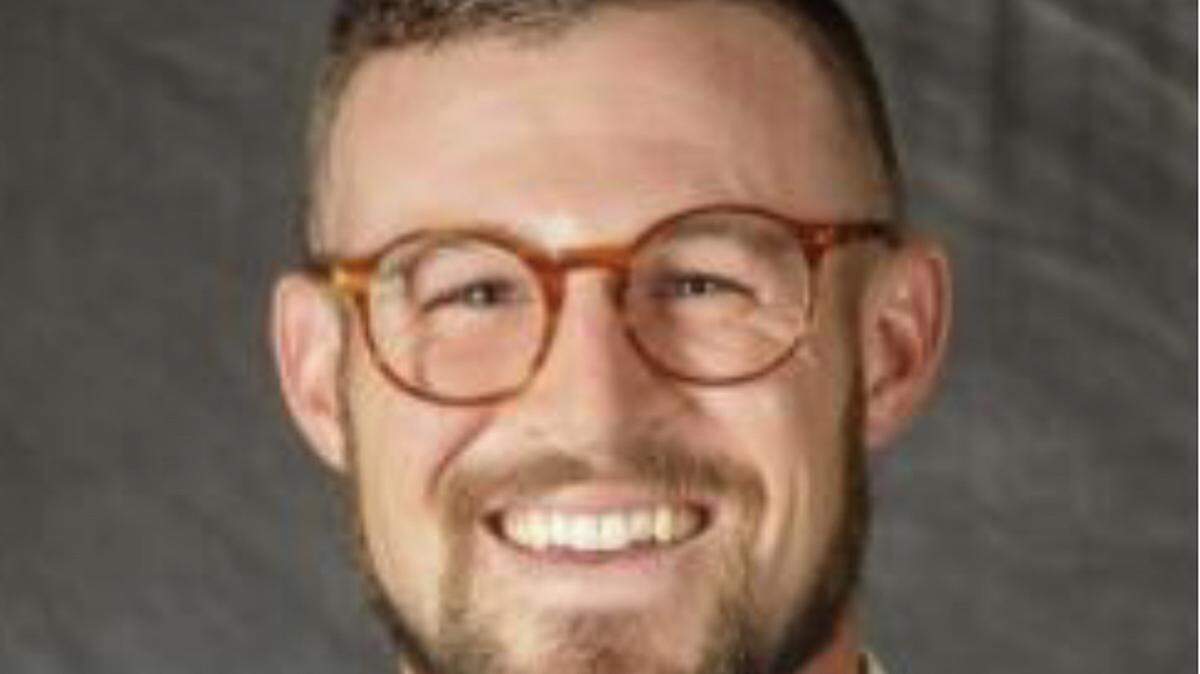
Alex Elswick is the Co-Founder of Voices of Hope and an Assistant Extension Professor at the University of Kentucky.