
Let’s not forget the Afghans, either in their homeland or in our community.
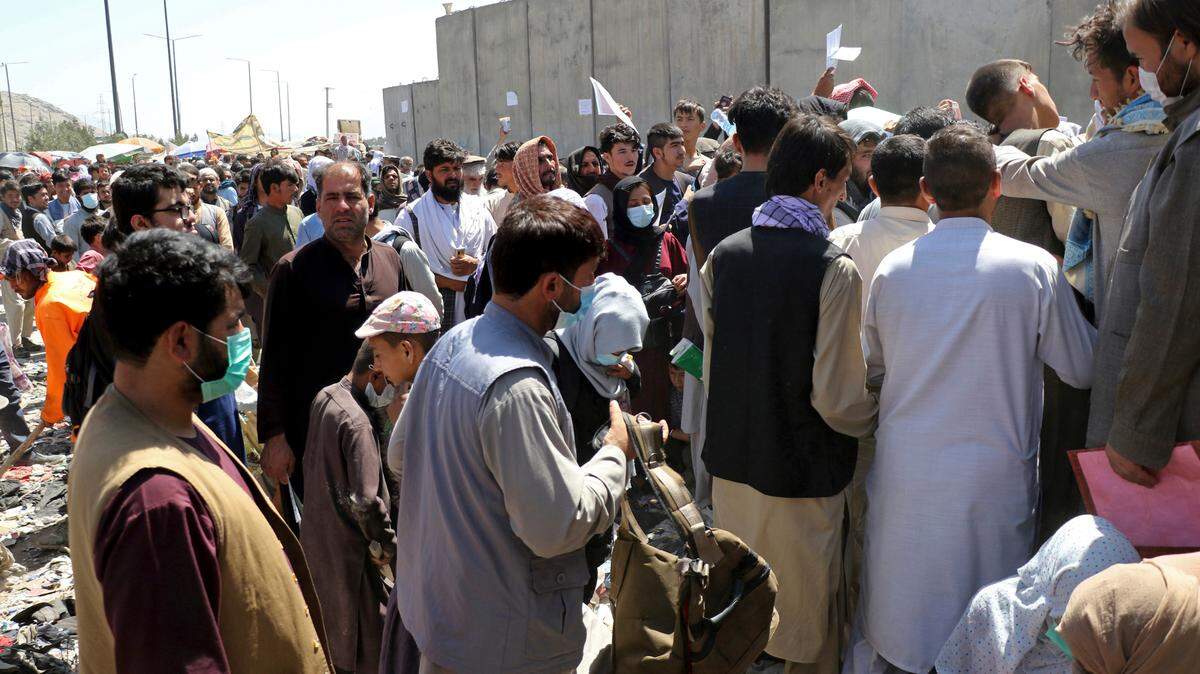
So much has happened since last August, it is not surprising that most of us have let the tragedies surrounding the U.S. withdrawal from Afghanistan, so searing at the time, fall out of awareness.
And yet, the 75,000 or so Afghans who were brought to the U.S. this fall are still here. Of these, about 100 have come to Lexington. The Kentucky Refugee Ministry (KRM) is the official designated resettlement agency for Afghans coming to Lexington. KRM provides a wide range of services, and the U.S. government provides food assistance through its SNAP program (formerly known as food stamps), as well as eligibility for Medicaid and KTAP. However, it takes quite a few weeks to obtain this assistance and help, often necessary, from English speakers.
Arriving in a strange city in a foreign land is hard. At least some of the Afghans brought to Lexington from military bases were not told where they were going when they were put on buses. Once in Lexington, they were faced with many challenges. Volunteers working with these families have seen many instances of mental health needs, intense grief over being separated from loved ones still in Afghanistan, struggles with language barriers, the need for season-appropriate clothing, long waits for work permits to arrive, lack of transportation, and lack of culturally-appropriate food in the first few weeks of arrival. Single women living on their own in apartments - a thing unheard of in Afghanistan - must learn how to function autonomously in this new culture.
Medical care is also problematic. New arrivals must often wait for months to get their first health screening. This is difficult for people with prior health conditions who need immediate attention. Covid shots are not usually administered in a timely way because they can only be given at the first clinic appointment. All Afghans that we know of received their first Covid shots at army bases. We suspect many have not received their second Covid shot months later.
By now, many newly arrived Afghans are beginning to connect with others who have been here several months, as well as with other community members who can serve as advocates and mentors. For some of the un-cosponsored, the Community Response Coalition of Kentucky, Inc. (CRCKY -crc4me.org), is doing food deliveries and providing necessities such as baby supplies, clothes, and other necessities.
Just as they start to adapt, however, many Afghans realize that they have another very grave problem clouding their future: many of them entered as humanitarian parolees. Though the media often refers to them as refugees, technically, they are not. During the two years allowed by the humanitarian parole status, these Afghans must file papers asserting a legal basis to stay in the US, or they could be deported back to Afghanistan, where they would likely come to harm. Most will file asylum claims, that is, if they can find a pro bono lawyer or the money to pay for legal representation. But, even if they manage to file such a claim within the required one year of their arrival, their status remains in jeopardy. Lawyers and advocates are frequently finding the applications being denied supposedly because the applicants have not shown that they are at great risk. This is tragically ironic because they all had to leave with only the clothes on their back or maybe one bag, being told to destroy their documents in case a Taliban got a hold of them. Hence, they arrive in the US without any paperwork, like letters from the Taliban threatening them or other documents that would provide evidence supporting their need for asylum.
With so many cards stacked against these people, many humanitarian groups are calling on Congress and the Administration to enact legislation and regulations to give relief and hope to these struggling people. Among the proposed remedies is an Afghan Adjustment Act, federal legislation that would allow Afghans arriving with humanitarian parole status to have a pathway to permanent status. Congress has passed similar legislation several times in recent decades. Thus, the Cuban Adjustment Act, was passed to save Cubans fleeing from Castro’s Cuba. Similar adjustment acts were passed after America’s withdrawal from Vietnam and following the US military actions in Iraq during Operation Desert storm and Operation Iraqi Freedom. In all of these, legislative adjustment acts were passed to provide a pathway to a permanent legal status.
What can you do to help? Locally, you can volunteer with a co-sponsor group or contact the Community Response Coalition of Kentucky, Inc. (CRCKY -crc4me.org), and become an intake worker or a food delivery volunteer. On the national level, you can email or call the offices of Senators McConnell and Paul and your congressman to urge them to support an Afghan Adjustment Act. You could also organize a small group and request a meeting with Senator McConnell’s representative in his Lexington office. (Senator McConnell 202 224-2541, Lexington office: (202) 225-4706; Senator Paul 202 224-4343, Congressman Barr 202 225-4706).
Rick Clewett, is a Professor Emeritus at Eastern Kentucky University, Dominique Olbert is President of the Community Response Coalition, Marilyn Daniel is a retired lawyer who specialized in immigration law and Deborah Alexander spent 10 years in Afghanistan with the U.S. State Department.