
Kentucky wants to ban skills games that help Kentucky’s small businesses
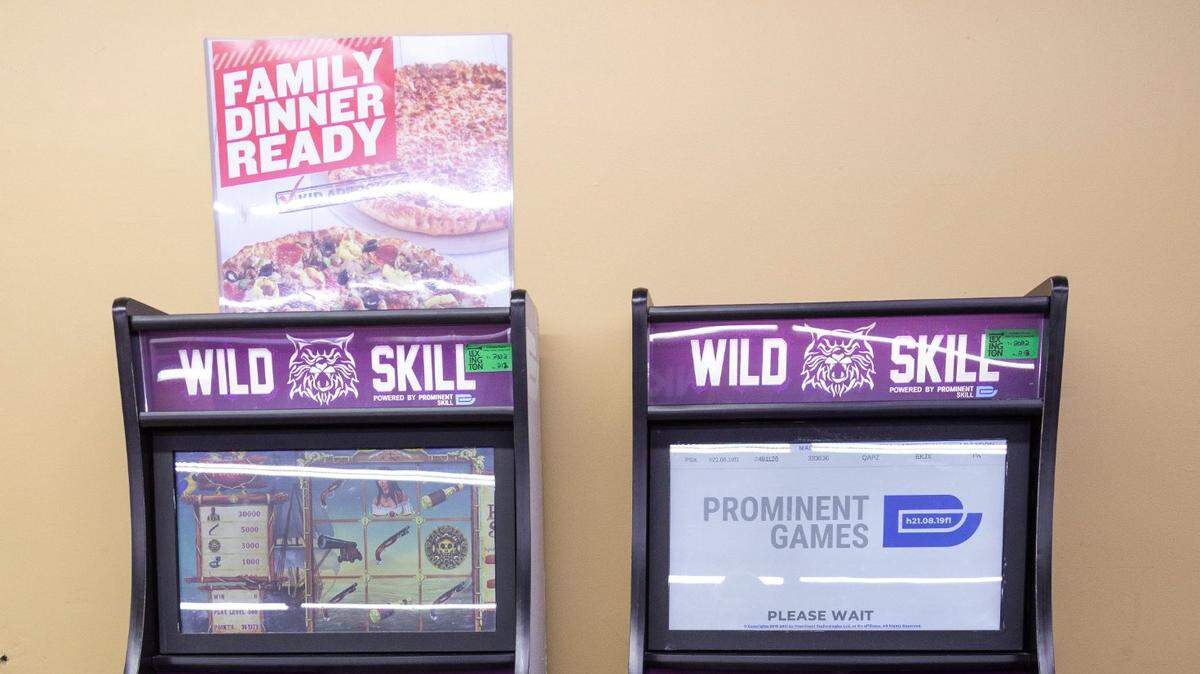
I feel privileged to own a business that survived the pandemic. Kentucky’s small businesses have faced many challenges over the past two years, but there may be a new challenge for many bars, restaurants, gas stations and fraternal clubs coming this year if some in the Kentucky General Assembly have their way.
The Kentucky Lottery is leading an effort to ban the skill games that many restaurants, bars, other small businesses, and fraternal clubs have on site — games enjoyed by customers for entertainment. Revenue from skill games has not only saved my business, but many of those I serve. They’ve injected new life, new hope, and new revenue during a time when our operations have been limited by the government due to the pandemic.
While skill games help sustain small business, the Lottery does very little, especially when compared to revenue generated by the games. For example, retail businesses only retain 6.25% of any revenue generated from lottery sales, while small business owners keep 40% of monies generated from skill games, and another 35% goes to a local operator. At a minimum, 75% of the revenue stays in the local community. That difference makes all the difference to small businesses and the communities they serve.
The additional revenue generated by these skill games enables me to pay wages, hire new staff, and support customer demand. This revenue stays in our community. It has positive ripple effects on the organizations we support, including our sponsorship of local sports teams, first responders and other charitable organizations. The Lottery, which is run by Scientific Games, a private company, sends much of their revenue to Las Vegas where that company is based. I support the Lottery’s right to be in business, but do not understand their argument against what I do.
Small businesses are the economic backbone of Kentucky; we pay taxes, we employ Kentuckians. Meanwhile, the lottery has said that skill games in small businesses have harmed their bottom line. Over the first few months of the current fiscal year, the Kentucky Lottery announced overall sales for the first two months of FY22 (July and August), totaling $269.5 million. This is $29.7 million or 12.4% more than last year and $8.8 million or 3.4% more than budgeted. While I do not begrudge the Lottery’s success, their argument that skill games in Kentucky small businesses have become “an existential threat” does not add up?
What about my bottom line? Any claim that skill games hurt our small businesses, and economy, is disingenuous when evidence shows small businesses statewide benefit from skill games. It is not the job of the government to pick winners and losers when it comes to how someone earns a living. The General Assembly seems to have forgotten that concept this year in their efforts to ban skill games in favor of the Kentucky Lottery, because they do not believe Kentuckians should choose their entertainment.
It is my hope that state legislators do the right thing and support small businesses instead of hurting them. Figure out how to regulate and tax skill games in a reasonable way instead of killing a source of revenue for hundreds of Kentucky entrepreneurs. Protect our right to have skill games in Kentucky, so we can keep supporting our economy and our communities.
Kama J. Reed is Vice President of BJ Novelty in Northern Kentucky.