
Pharmacists were critical to COVID care. Their roles should expand in other ways, too.
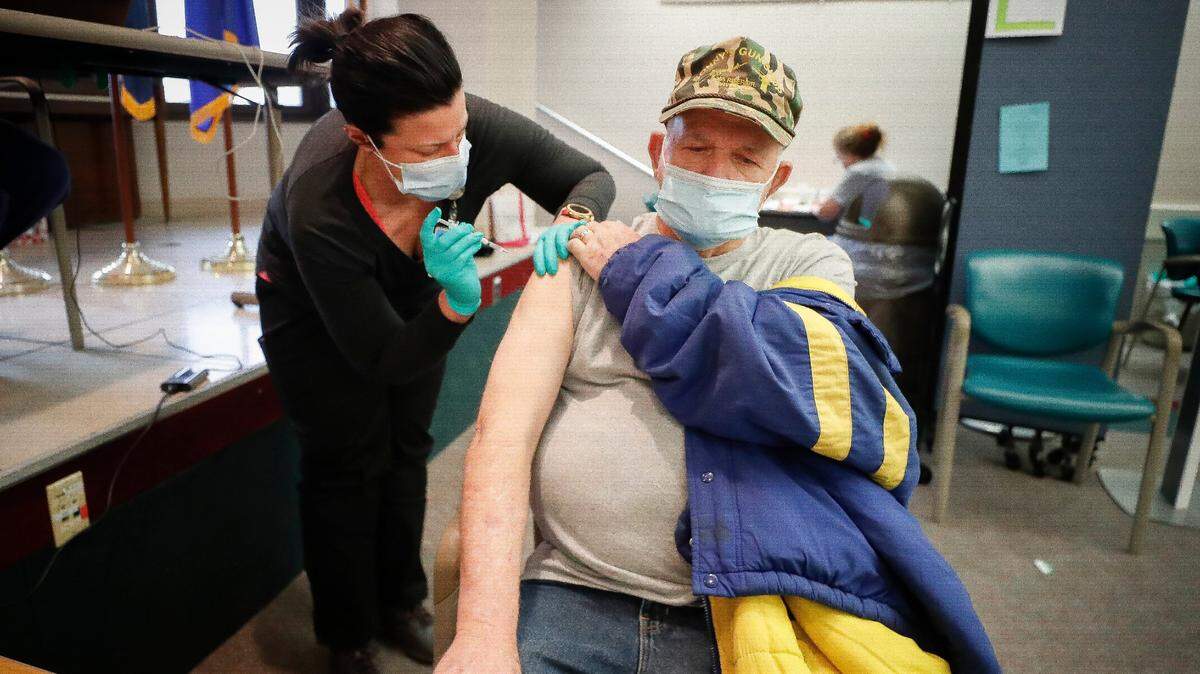
The University of Kentucky College of Pharmacy first started training pharmacy students to administer immunizations in 1998. This training, even in 1998, seemed exceedingly logical. Year after year, pharmacists are ranked among the most trusted health care professionals, they remain the most accessible health care providers with a pharmacy on nearly every corner and with generally affordable services that do not require an appointment. Even considering all these factors there was some pushback. Various groups feared that pharmacists were not qualified to immunize and that bad outcomes were surely to follow.
Fast-forward to 2020 and the realities of a global pandemic whose mitigation requires multiple vaccinations and a booster. Pharmacists have been critical to this process, having administered over 200 million COVID-19 vaccines as of January 2022. It is now hard to envision how a vaccine roll-out could ever have occurred if some had succeeded many years ago in limiting a pharmacist’s ability to immunize.
On the heels of the latest pandemic surge, what other healthcare problems could be solved by expanding the scope of pharmacists’ abilities? Serious considerations should be given to allowing qualified pharmacists to prescribe medications to treat routine aliments. Many pharmacies are already providing screenings services for not only COVID-19 but also strep throat and influenza. Uncomplicated cases of sinusitis, urinary tract infections, and allergic rashes are other examples of medical situations that could be managed by pharmacists.
Several states have already advanced legislation that recognizes pharmacists as prescribers. In Oregon, pharmacists can prescribe medications from approved lists known as formularies. Arizona permits emergency medication refills and prescribing of smoke cessation therapies. Maryland permits pharmacists to prescribe contraceptives to individuals over 18 and has a statewide standing order for pharmacists to prescribe the narcotic overdose antidote naloxone. Kentucky has also made some advances in terms of pharmacist practice by developing specific state board of pharmacy-administered protocols where a pharmacist can initiate the dispensing of certain medications. Pharmacist prescribing is even less obscure in Europe where in places like the United Kingdom it has been in common since 2006.
A lack of access to basic medical care has been well documented in the U.S., especially in rural areas. In a 2019 update from the Association of American Medical Colleges it was predicted that a shortage of approximately 21,000 to 55,000 primary care physicians would exist by the year 2032. Providers are over-worked often creating bottlenecks for patients. This lack of providers is particularly relevant in the commonwealth where an estimated 40% of the population resides in non-urban locales. Only about 11% of existing primary care providers are estimated to reside in rural areas. In contrast, independent and chain pharmacies are common in these places. An estimated 90% of US residents live within two miles of a pharmacy. Qualified pharmacists with some prescribing privileges could bridge these gaps whether they occur in rural or urban settings. Access to basic care provided by a pharmacist could also alleviate burdens placed on emergency departments where patients often present with non-serious or otherwise non-life-threatening issues. Diverting these patients would allow emergency room staff to care for patients with true critical illnesses more effectively and more quickly.
Safeguards such as protocols and clinical guidelines could serve as guardrails for pharmacists so that prescribing is not completely unregulated. When complicated clinical situations and cases arise, pharmacists understand how and when to properly triage patients to other providers. This is a skill that pharmacists practice every day when answering questions about whether symptoms can be self-treated and if so, how to appropriately accomplish this task with over-the-counter medications.
While the COVID-19 pandemic is not over, the value of pharmacists in the battle against the virus is indisputable. Recent discussions centered on utilizing pharmacies as Covid-19 ‘test and treat’ centers again demonstrates the untapped potential. The question now remains how many other current and future health-related problems could be solved by pharmacists if obstructing regulations were modernized, and these highly trained, trusted medical professionals were allowed to expand their bandwidth.
Dr. Frank Romanelli is a Professor of Pharmacy at the University of Kentucky College of Pharmacy. His opinions are his own, not UK’s