
Our family survived, thrived with help of public benefits. HB 7 would destroy that help.
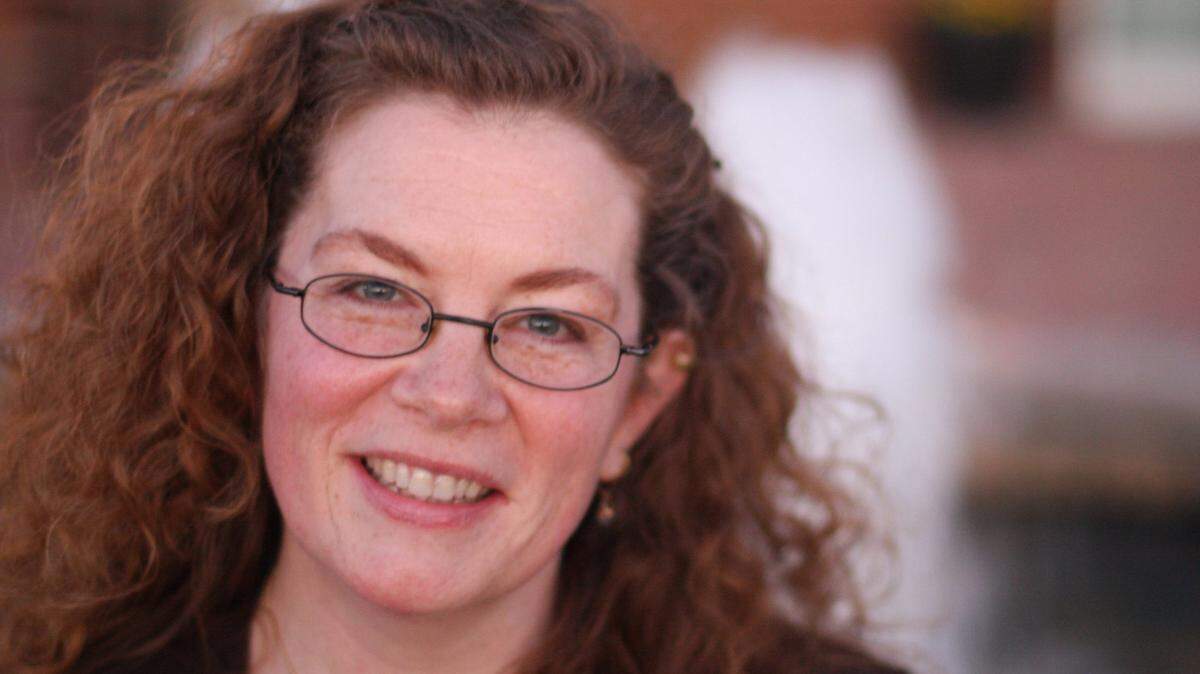
Our family’s story is what it is today, in good part due to the help we have received through the years from food assistance programs like food stamps (SNAP) and WIC. Some call it the safety-net or welfare, but whatever you call it, we call it our lifeline. It held us up when we may have been dragged down until we could get back on our feet. House Bill 7, which is currently being debated in the Kentucky Legislature, would slash that safety net and take that lifeline away from people like us.
Katherine Shaw (mom)
I’ve been a single mom for most of my life, and when there was a partner, that person was often not engaged in the well-being of our family.
I found out as a young adult that I was pregnant with twins. Their father decided to leave and I tried to juggle raising them and working. My only job opportunities were low paying and the costs of child care were high. The help I received through SNAP enabled me to give birth to healthy near-term twins. I relied on the WIC program so I could nurse healthy babies. Without these programs, I would have had to choose between utilities, rent, or food. SNAP and WIC helped provide continuity when so much was uncertain.
My third child, Leandra, was born soon after the twins, and I received housing assistance as well as continued SNAP and child care assistance while I worked a full-time, low paying job. I decided to return to school to improve my earning potential, and these resources, combined with subsidized housing, enabled me and my children the ability to pursue an education. SNAP provided that baseline of help that enabled us to have a steady family life even with the difficulties we faced.
Leandra Forman (daughter)
I grew up with a single mother who wasn’t always single. A story I share with many in Kentucky. My mother is a survivor of domestic violence, parental alcoholism, sexual abuse, and a graduate of the foster care system. When she moved from Ohio to Kentucky she did not come with the safety net of financial or family support. When she married my stepfather, we found access to more resources than when we were living in Section 8 housing, but it came at a cost. After years of abuse, my mother risked everything to leave that relationship for the health of herself and us. As we left, my mother applied for SNAP benefits, knowing that way we could afford safe housing and still eat on a single income. Without that lifeline being there, I’m not sure we could have left.
My father had heart disease, hypertension, and diabetes. Doctors told us he wouldn’t live to see my graduation from high school. He lay in the ICU for 9 days, but made it to my graduation, and then continued to decline. While I was still in my early twenties, caretaking my father while walking in his line cook footsteps set us both up for a lifetime of penny counting, ignoring medical bills, and hoping that no one came to take the house away. I wanted more. I applied to Berea College, unique not only in the state but in the country for its lack of tuition, its income requirements, and work opportunities.
Five years of paying for Dad’s bills and medications, and my own medical bills from having multiple sclerosis, left us with next to nothing. As an older student, as well as one still providing care for my father, I was awarded the flexibility of living off campus. I applied for SNAP benefits in Madison County and received a little over $200 a month. Without SNAP I would never have been able to provide healthy meals for myself and my father. Despite assistance from the school, I graduated with less in my bank account than ever before.
My time at Berea, powered by free tuition and supplemented by SNAP gave me a degree. That safety net allowed me to move back to my hometown of Lexington and gave me the credentials to get a job at FoodChain where I help make sure my neighbors are fed, regardless of their circumstances. The lifeline of SNAP and WIC mean that I am now able to cast that lifeline to others, especially those who currently don’t qualify for those benefits.
House Bill 7 would add red tape, barriers, costs and penalties to safety net programs that connect people in situations like ours with health care and keep food on the table. This bill creates reporting requirements that would make it basically impossible for people fleeing abusive and violent relationships to keep public benefits.
We hope, for the sake of families like ours, that the General Assembly does not pass this cruel and misguided bill.
Katherine Shaw is a long time Lexington resident, where she raised three children. She graduated from the University of Kentucky, and currently works in healthcare. She volunteers with local organizations that focus on food equity, biodiversity, and with her church’s children and youth. Leandra Forman is a Berea College graduate who has been at FoodChain since May of 2015.