
With the right choices, we could see a new frontier for abandoned mine land clean-up
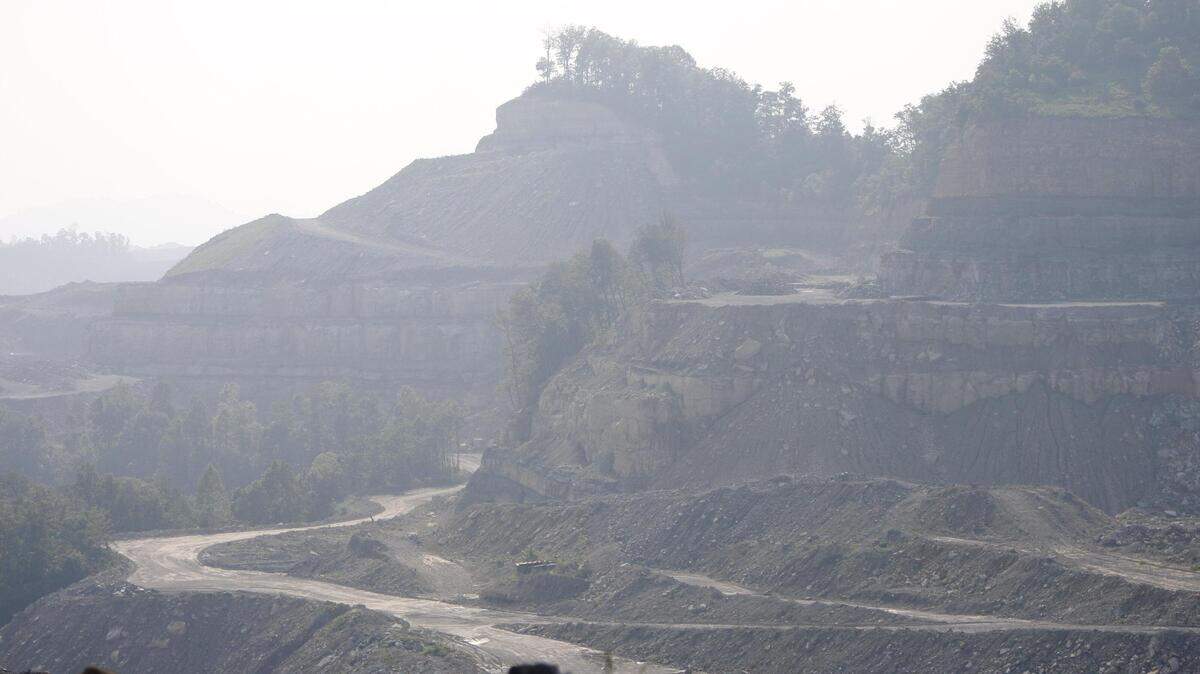
Coal was mined in Letcher County, Kentucky for nearly 100 years before the federal government ever did anything to ensure that our communities didn’t have to deal with the mess on the landscape that was left behind. We’re dealing with the consequences of this lapse to this day. According to the federal abandoned mine lands (AML) inventory, it will cost over $21 million to remediate 104 AML sites in Letcher County alone. Across the entire state of Kentucky, the outstanding AML liability skyrockets to over $933 million.
In spite of this need, the resources to address this issue have dwindled. Between 2011 to 2021, we saw a 60% decline in AML grants. While much of the money has dried up, the calls to Kentucky’s AML department from residents reporting hazards have only increased — yet the Commonwealth is only able to address those deemed as the most imminent threats.

The bipartisan infrastructure bill passed by Congress last year changes everything. In the next 15 to 20 years, more funding — $11.3 billion — will be spent on AML clean up than ever before. This doesn’t just mean safer communities — it means jobs. Over the duration of these investments, analysts project 10,000 jobs will be created or supported year over year.
Now, it’s critically important to make sure this money is spent wisely, in a way that provides the most durable benefits for our communities that have dealt with these hazards for so long.
That means focusing on the development of the AML workforce. We will need new contractors to take on these projects with the expertise to complete high-quality work, foster safe job sites, and pay their workers well. The prevailing wage requirement in the law will support these outcomes, but it is not enough. We need to encourage the development of paid, on the job training, such as apprenticeship programs and to require contractors to comply with responsible bidder criteria.
We also need to ensure that these new investments can go to cleaning up one of the most pervasive AML challenges: acid mine drainage. Acid mine drainage is created by a chemical reaction, when water from abandoned mines mixes with oxygen. It’s what makes our rivers and streams a rusty orange and it never goes away. It requires ongoing water treatment, which is why the current AML program allows states to set aside 30% of AML funding each year into accounts that accrue interest and can cover these perpetual costs. But when the infrastructure bill and its sizable AML investments were passed last year, it did not include a similar provision.
Thankfully, the STREAM Act — new bipartisan legislation in the House and Senate — addresses that oversight. I urge Kentucky’s Congressional delegation to join the bipartisan members of Congress who are acting to tackle this challenge by cosponsoring this bill as soon as possible.
Moreover, one key way to ensure that these AML investments are successful and effective is to ensure committed federal leadership is in place to oversee their implementation. An important part of that administrative infrastructure is a director for the Office of Surface Mining Reclamation and Enforcement (OSMRE). That’s a position that remains vacant in the Biden Administration that must be filled as soon as possible.
We have a tremendous opportunity before us to make our communities safer, healthier places to live and to create thousands of good jobs while doing so. However, we must remain committed to ensuring these outcomes. That’s the message I brought to Congress when I testified before a hearing of the House Natural Resources Subcommittee on Energy and Mineral Resources – and its one I hope Kentucky’s Congressional delegation hears. This is a pivotal point for AML remediation but we must all work together to achieve the economic and community benefits that have long been envisioned by organizations and residents across coal communities.
Rebecca Shelton is the Director of Policy and Organizing for Appalachian Citizens’ Law Center in Whitesburg, KY.