
Hear from Lexingtonians on how ‘The Sum of Us’ shows how much racism has cost us
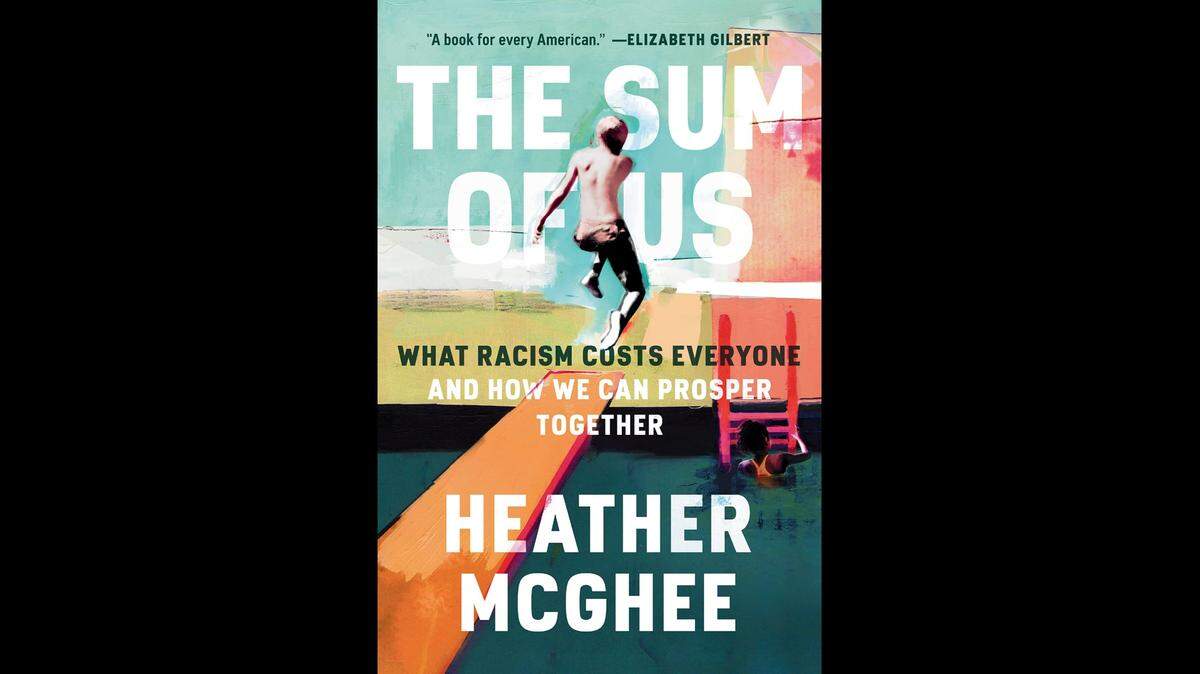
As part of the Lexington Public Library’s One Book, One Lexington Community Reads “The Sum of Us,” the Blue Grass Community Foundation and the Herald-Leader asked some readers to share their thoughts about Heather McGhee’s “The Sum of Us:What Racism Costs Everyone and How We Can Prosper Together.” McGhee will be in Lexington to discuss her work on Thursday, April 28.
The American Dream?
I grew up with the “American Dream” narrative echoing in my mind: anyone who works hard and makes good choices can go to college, get a job and create a wonderful life. When I went to college I realized while many of my friends and teammates worked just as hard if not harder than I and made smart choices, their personal narrative was much different than mine. If I had grown up without the opportunity for a college education, with a single parent who worked three jobs and still could not make ends meet, and with multiple siblings to help support, regardless of how hard I worked, my “choices” would have been dictated by basic survival. The circumstances to which one is born and reared influences everything.
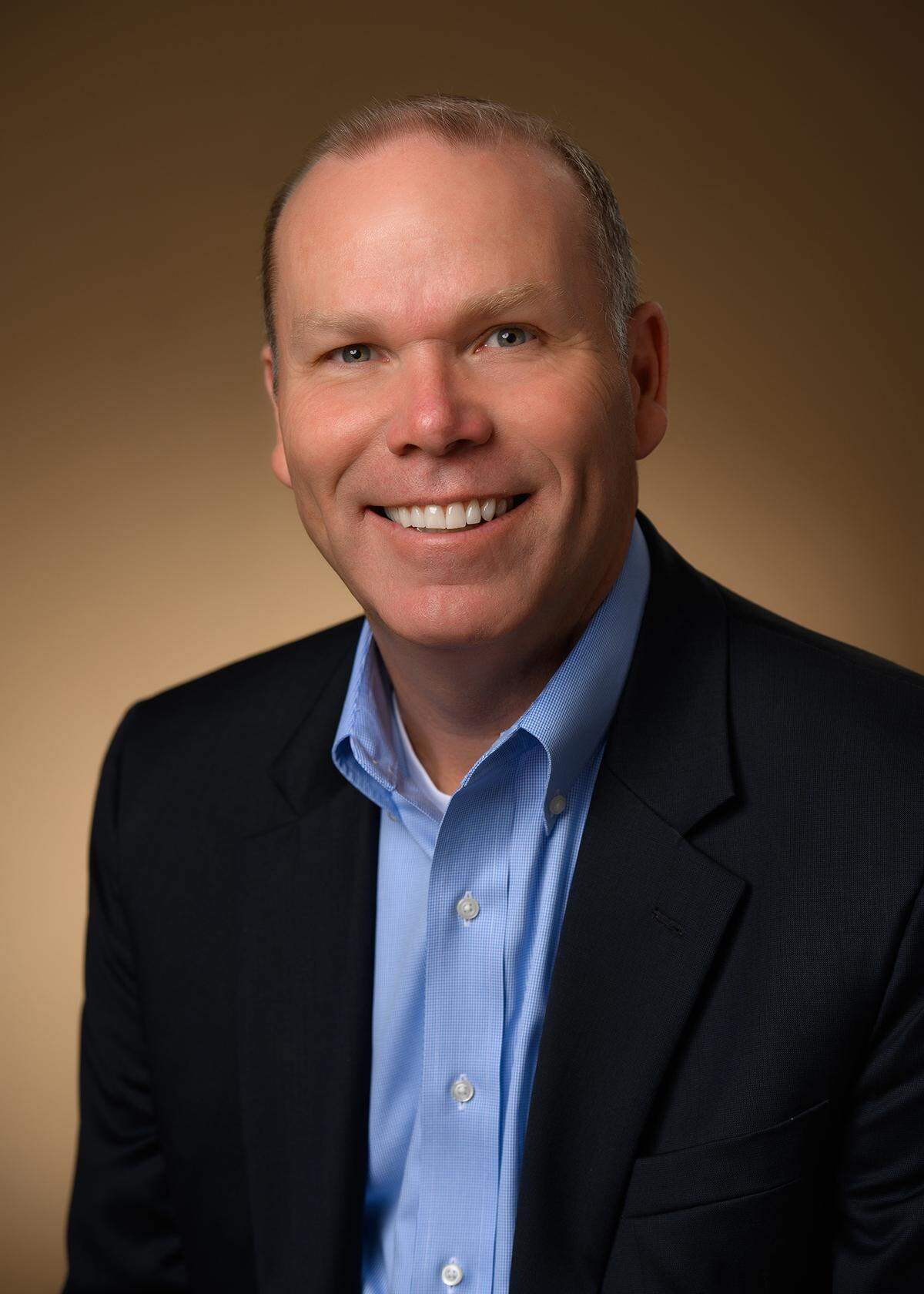
When reading “The Sum of Us,” I found myself reflecting on my years as a football player at UK in the 1980s. In those days, there was no opportunity to earn extra money through an NIL deal, and since the NCAA did not mandate limits on practice hours, we worked on football nonstop, making a part-time job impossible. If my teammate needed a winter coat, tutoring for a class, an eye examination and prescription eyeglasses, why in the world would I think that getting support for him took anything away from me? In fact, the success of our football program depended on him having a warm coat to wear, getting extra tutoring in college calculus because his high school only offered math up to Algebra II, and help paying for his first ever eye examination and prescription lenses for our team to realize success.
I was raised to be a team player. Unfortunately, many in our nation weren’t. We must all try harder to be less resentful and more giving.
Bill C. Allen is the CEO of Bank of the Bluegrass & Trust Co. (www.bankofthebluegrass.com).
The Solidarity Dividend
Heather McGhee’s “The Sum Of Us: What Racism Costs Everyone And How We Can Prosper Together” is a masterclass on the importance of intersectionality. Through a term she coined, the “Solidarity Dividend,” the book highlights why viewing radical and revolutionary change through this lens is key to connecting and empowering others as it relates to not just movement work, but everyday life.
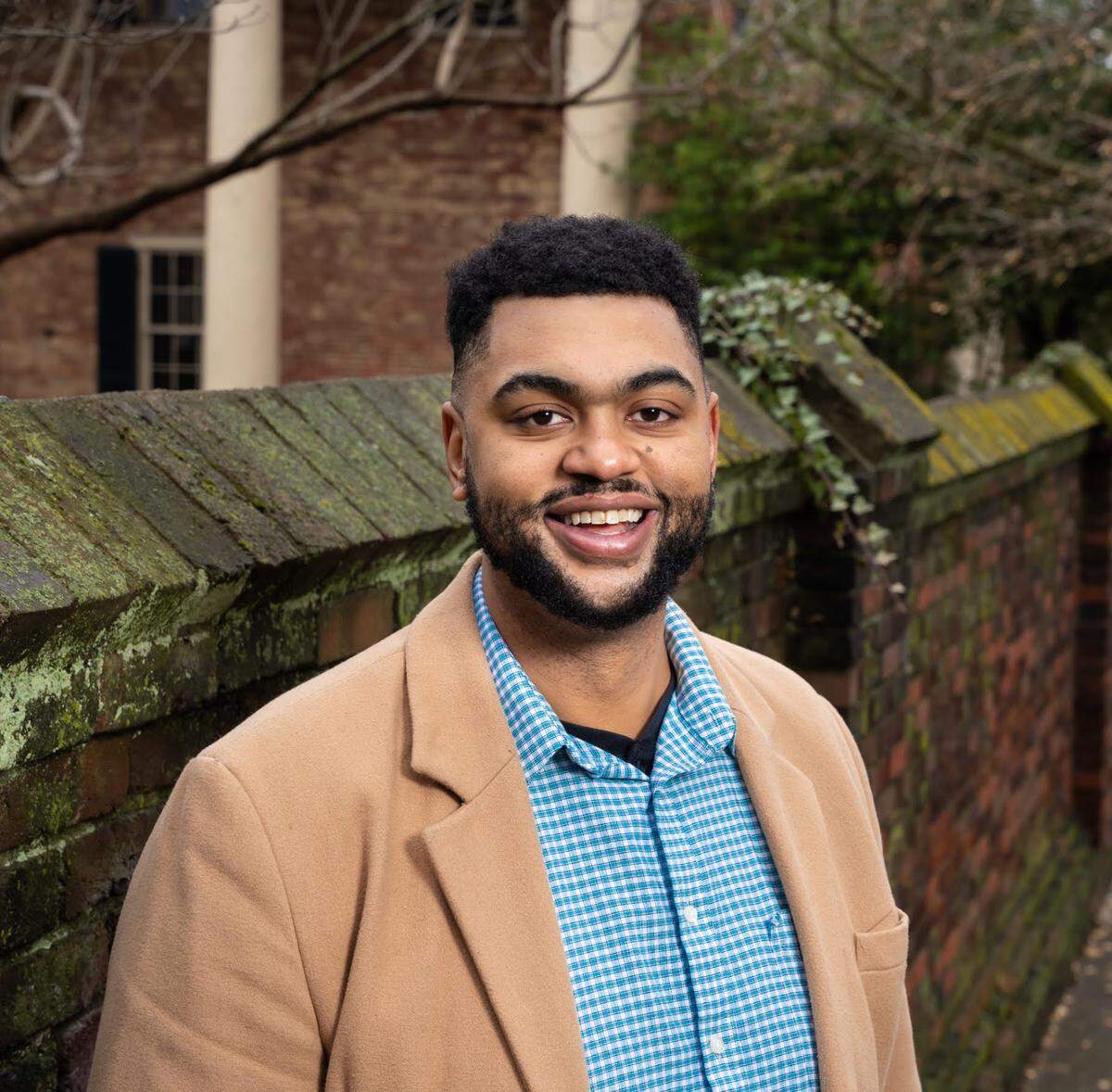
McGhee makes it clear that while the systems that we live under carve out and sometimes outright attack Black people, they also trap white people in their snare. Lexington has benefited from the flagship idea of the Solidarity Dividend that shapes the book, but we have also succumbed to the book’s other idea, the Zero-Sum paradigm, just as much if not more.
The victories of shared struggle should blossom through additional victories. Lexington has listened to leaders on the ground before when we called for removal of Confederate monuments and you listened again when it was time for a ban on no knock warrants, but the Black people of our city still need more. We have to continue to work on the strength we have built together or it will atrophy.
White supremacy is and always has been embedded in the laws and culture of this country and if we don’t continue to teach our history and learn from the lessons of those who came before us, we are doomed to repeat it. The Solidarity Dividend teaches that when we all come together, across racial, gender, religious, and socioeconomic identities for the greater good, we all can prosper. By following this principle, we can continue to dismantle the systems that cost everyone and cost others even more.
Russell Allen and DeBraun Thomas were organizers of the Take Back Cheapside movement. Russell Allen is now an organizer for Kentucky Coalition to Abolish the Death Penalty, and DeBraun Thomas is a musician and assistant to the operations manager at WUKY.
Keep reading and learning
In August 2019 Heather McGhee was on a live television show when a man named Gary called in and said, “I’m a white male and I am prejudiced. What can I do to change to be a better American?” One of the paths McGhee offered was to read about the history of African Americans in this country and foster conversations in his family and neighborhood. I, too, have been on a personal journey and the books I have read and the people I have listened to have caused me to step out of my comfort zone and to challenge myself to see the world differently.
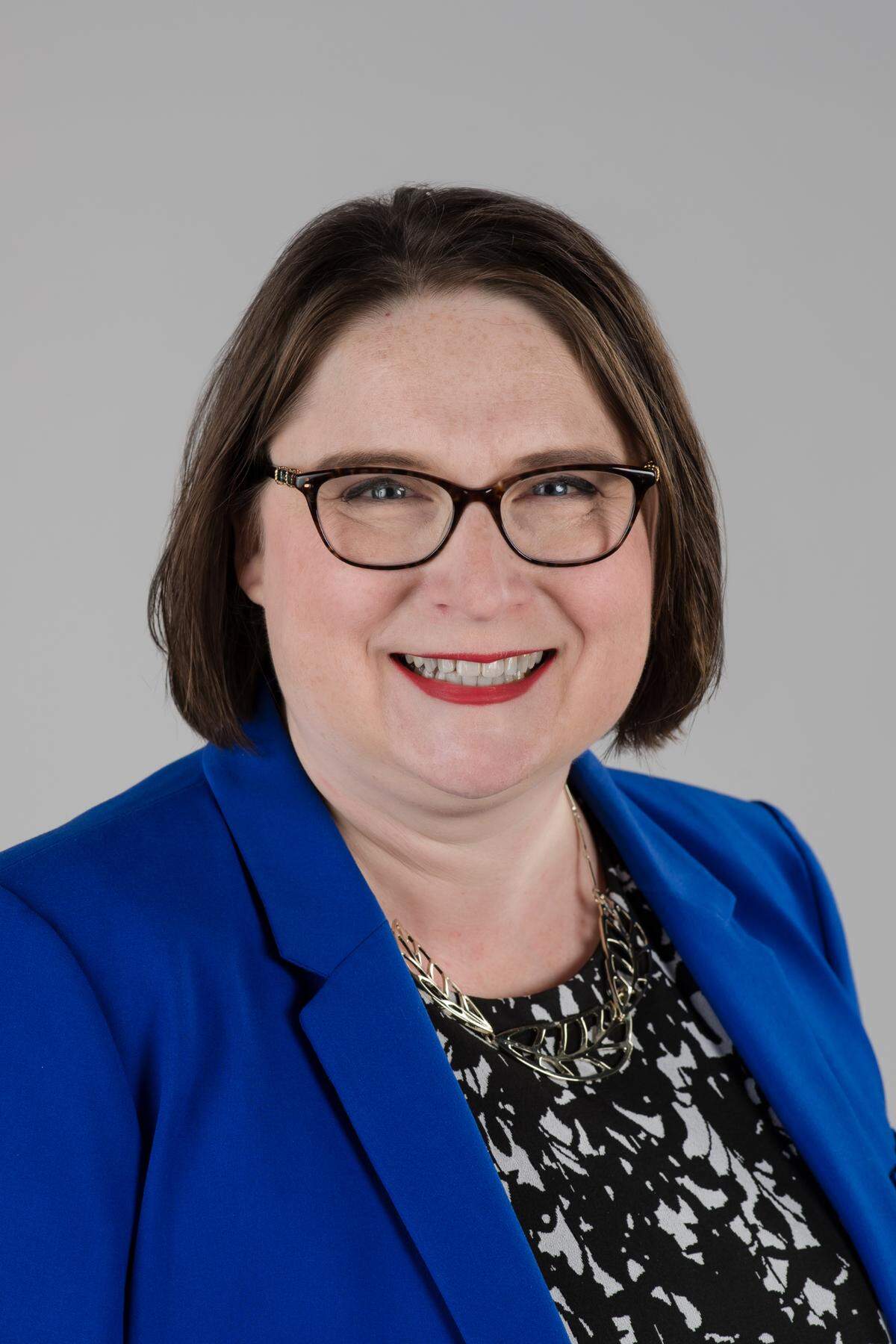
Many of us are looking at our democracy and wondering about our role in it. We question its sustainability and future. Like Gary, we are soul-searching and asking ourselves what it means to be a good American. The path of learning and connection is one that is open to all of us through our public library. Books like “The Sum of Us” by Heather McGhee are a good start. So are “Caste” by Isabel Wilkerson and “How the Word is Passed” by Clint Smith. There are many opportunities to have conversations with people outside of our own bubbles through events like On the Table. Sitting for an hour in one of our libraries will allow you to rub shoulders with people from all walks of life.
As we come together in this Community Read, I have a challenge for all of us. For the next year, read outside of your comfort zone. Read things that ask hard questions. Listen to people with experiences different from your own. The better we know history, the more we understand each other’s experiences, the better Americans we are. Our democracy will be all the stronger for it.
Heather Dieffenbach is executive director of the Lexington Public Library.
Jaw dropping
My first reaction? Jaw dropping! My jaw literally dropped as I read passages in Heather McGhee’s meticulously researched book, “The Sum of Us.” I couldn’t believe the impact racism has had on our economy and quality of life. She illustrates that benefits and opportunity aren’t a zero-sum paradigm, meaning that if I get something, you lose something. This self-defeating belief not to share resources even if ultimately we all suffer has led to deep divisions in our society. She is very persuasive in arguing that white Americans have been so immersed in zero-sum thinking that they believe advancement of any group must come at their expense.
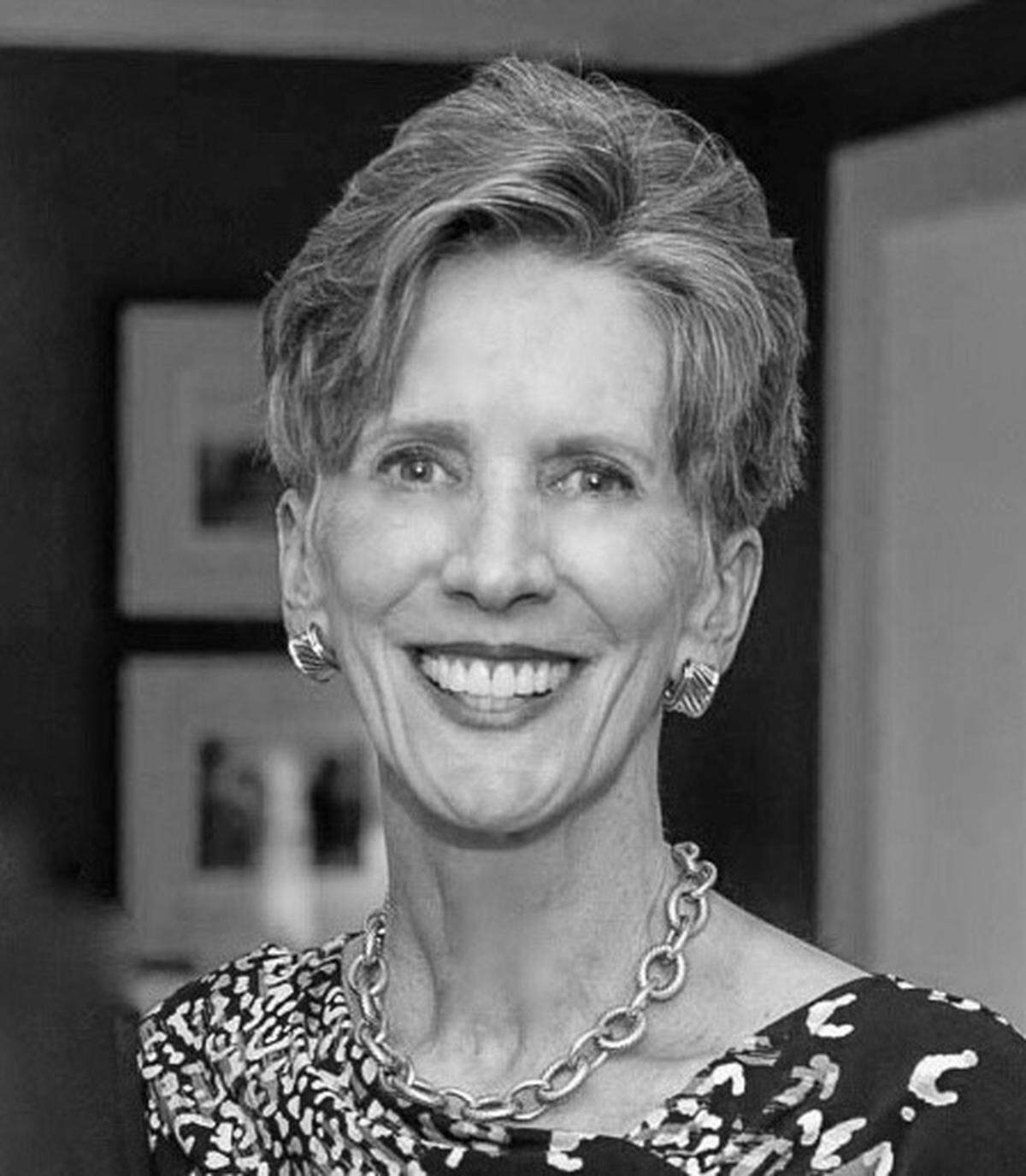
She cites examples of laws passed that were outright discriminatory and those that were progressive but had major backlash, like integration, which led to the permanent closing of hundreds of public pools (some magnificent; all well-used) in communities that would rather permanently close them than allow Blacks access. Who did this hurt? White as well as Black children and families.
Much of the grinding poverty in the South isn’t, as some believe, because we lost the Civil War. Great wealth was built on a captive and unpaid labor force: slavery. Owners didn’t need or want educated workers so there were few libraries or public schools in areas where slavery thrived. White and Black people who have lived in those communities for generations still suffer because of lower levels of education and income. Our most recent census revealed that nine out of the poorest ten states in the U.S. are in the South — yet another example of how the effects of racism impact us all.
As for the book – it’s insightful and clear-eyed about where we go from here.
Fran Taylor, owner of Lexington Silver (www.lexingtonsilver.com), is the former executive director of the Keeneland Foundation and current chair of Blue Grass Community Foundation.
Learning real history
As a Black and Korean-American boy in Kentucky, I feel very unrepresented in my education. Thinking back to elementary school, I remember hating learning about Black history. Most of the history gave me nightmares. Why would someone enslave people who look like me?
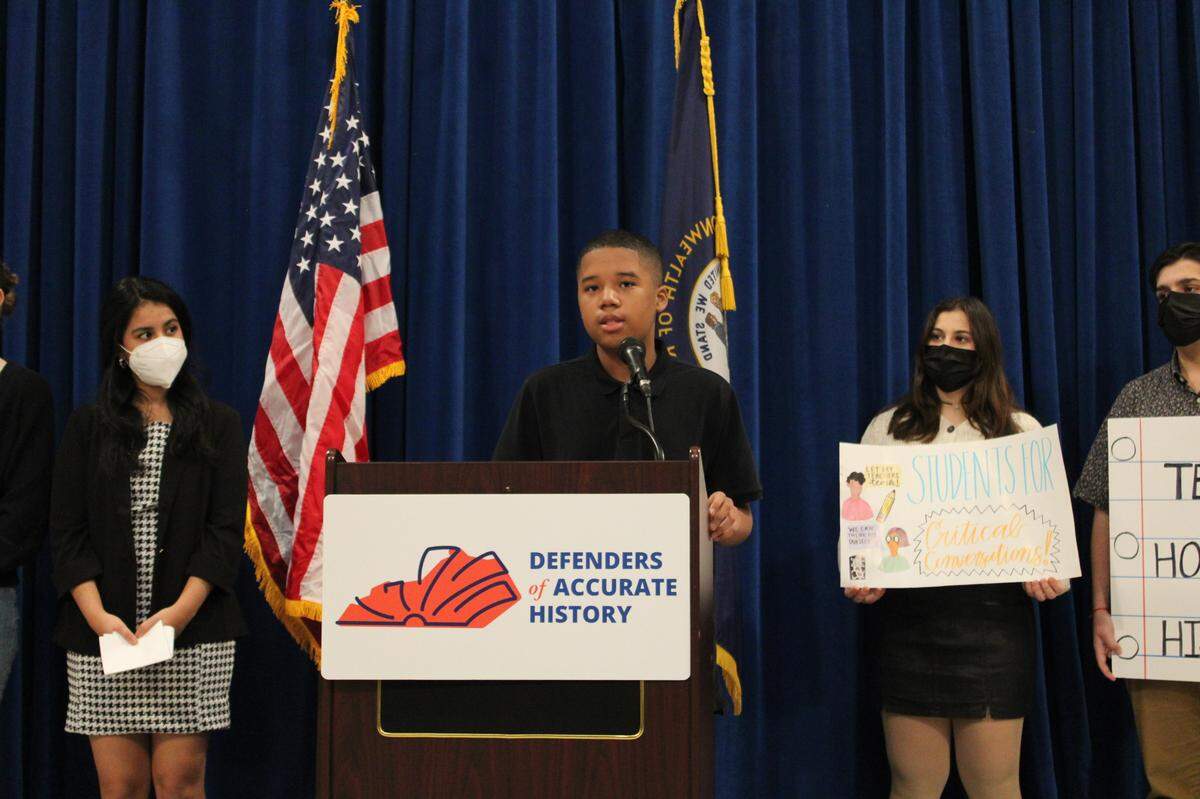
I thought that my history was ugly. But it all changed in middle school when I learned more about Black history. In 6th grade, my class participated in National History Day, which is a project where a student does research on a topic they are interested in based on the theme of that year. The theme was Breaking Barriers and I chose the Harlem Renaissance.
The Harlem Renaissance was an artistic movement before the Great Depression. Black artists used their skills to uplift and empower other people of color. The research I conducted on my own helped me realize that Black history wasn’t just tragedy, it was also groundbreaking. It helped me realize that even though Black people were discriminated against, we were still able to contribute a lot to American life.
Whereas my Black/African-American history had been misrepresented, my Asian/Asian-American history was rarely shown at all. The lack of representation of my history had me subconsciously disregard my Asian identity. The Stop Asian Hate movement helped me realize that my Black side wasn’t the only side of me that had a complex history.
If you follow the news, you’ll see that our legislators have been debating whether we should even be able to talk openly about the history of people like me in the classroom. But at this point, it’s hard to understand why this is even open to debate. We need our history and classroom discussion to include us – because without that, how are we to know we are also worthy?
Tyler Terrell is an eighth grade student at Leestown Middle School and a member of the Kentucky Student Voice Team and Young Authors Greenhouse Education Justice Writing Cohort.
Affordable housing
For nearly 30 years, Step By Step, Inc has served young single mothers ages 12 to 24 and their children in Fayette County.
.jpg "Tanya Torp (1).jpg")
In September 2020, we were one of eight agencies granted funds through the LFUCG Housing Stabilization Partnership Program. Designed to provide rental assistance to families and individuals with changes in income attributed to the pandemic, this important program kept funds in the city, paying landlords in distress and preventing evictions. Eligible program participants were 80% below the area median income. Most of the families that applied through our agency were headed by young single mothers who experienced additional burdens. Their childcare facilities were closed or accepting fewer children and they did not have access to other options.
The affordable housing crisis is a many-headed hydra of complicated causes. But the pandemic is not the only reason our moms are housing insecure. In reading “Sum of Us: What Racism Costs Everyone and How We Can Prosper Together” by Heather McGhee, I saw parallels to the legacy of housing shortages plaguing our city. In the 1970 report, “A Low-Income Housing Study for Lexington and Fayette County, Kentucky, sponsored by the City-County Planning Commission”, there are hints to attitudes caused by public policy and rhetoric that our moms still face today.
The report characterizes those in poverty as “bitter” and accuses them of allowing their “hopelessness” and “frustration” to “occasionally erupt into … civil and/or criminal disorders.” The paragraph ends with: “Certainly this country or this city can only obtain its highest peak of greatness when every citizen is contributing to the best of their ability regardless of what position they may hold.”
There is no mention of the redlining that created disinvestment in areas of the city that have yet to recover.
I find hope in the Office of Homelessness and the work being done by Polly Ruddick and her team to bring light to disparities. And I find hope in young single mothers developing leadership skills and finding their civic voices in our program.
Tanya Torp is a diversity, equity, inclusion and accessibility consultant who has worked as a facilitator at numerous organizations providing workshops to improve Black lives. She is co-founder of Not The Only One In the Room, a space for women of color in the community, is co-founder of BIPOC womyn’s writing group and is executive director of Step By Step.
Honest history
Thanks to works like “The Sum of Us” by Heather McGhee, we have an opportunity to reckon with the harms of the past and understand that the fates of all of Lexington’s communities are intertwined.

“In The Sum of Us,” McGhee uses data and storytelling to reflect the challenging legacies of place and policy that shape many of today’s racial inequities. While many policymakers created legislation that intentionally discriminated against and suppressed the growth of communities of color, McGhee’s book eloquently argues that these policies harmed white Americans too.
It’s important to note that while political leaders created many of these discriminatory policies at the state and national level — local communities also contributed to injustice. Here in Lexington, our forebears created policies and made decisions that harmed communities of color and poor white communities — and we can still see the results of these decisions in our communities today.
In the 1870s, after the Civil War, when Lexington was almost 50% Black and 50% white, governmental decisions forced both new Black communities and poor white communities into the least valued parts of Lexington. In the first half of the 20th century, local racial deed covenants forbade Black residents from living in new, prosperous developments like Castlewood. Deed covenants also similarly impacted other communities like Asian Americans and Jewish communities. While Ms. McGhee’s book implores us all to reckon with the outcomes of policy decisions like these, it also encourages us to think broadly about how these decisions have harmed everyone in our community.
Now, we have an immense possibility to unearth these historical decisions and truly reckon with their consequences. We can finally take an honest look at where we have come from and work together to chart a new way forward. But while we do so, let’s reject the zero-sum thinking of the past. When any of us are held back, we all are.
Richard Young is the Founder and Executive Director of CivicLex, a civic education and engagement organization in Lexington, Kentucky. He is also a Marshall Memorial Fellow with the German Marshall Fund.
This story was originally published April 22, 2022 at 8:37 AM.