
Expanding the Fayette’s growth boundary is no guarantee of more affordable housing
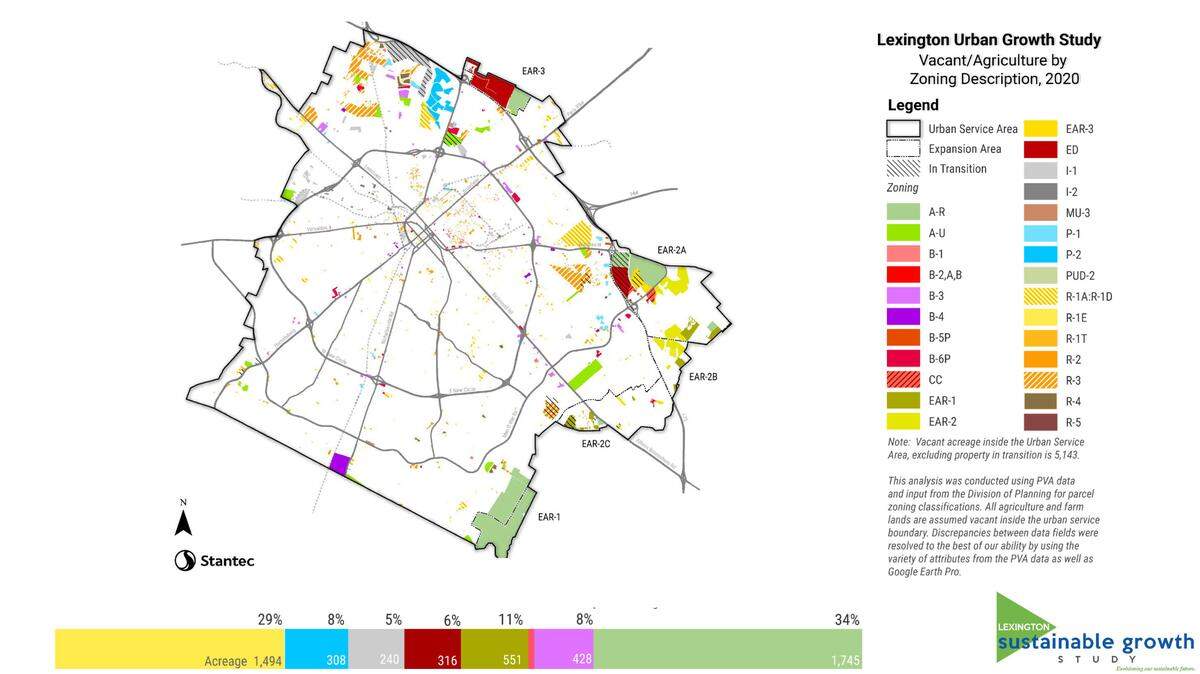
Every five years, Lexington-Fayette County has a heated discussion of the Urban Services Boundary (USB). As the community grapples with the housing supply shortage, lack of equity and affordability, it’s important to be informed about the relationship of these issues to the USB as we make long lasting decisions about growth.
Along with the rest of the country, we have been under-building housing for over a decade. Home prices have skyrocketed as a result of low supply, high costs of construction materials, labor, and low interest rates. Like almost every other city in the nation, we don’t have enough affordable housing for low-income families or missing middle housing for our workforce. Gentrification and resulting displacement is occurring in our historically under-invested neighborhoods.

There has been much written about the existence of these issues locally, but not about the causes, or the solutions that are being proposed, advocated for, and supported to address them. As a result, some present the USB as both the cause of these issues and the solution: if we expand the USB we will lower housing prices, build more affordable housing and stop displacing neighbors, but don’t include the why or how.
There is no evidence that expanding the USB will create more affordable housing or solve gentrification and displacement. And there’s a lot of research and data that says it won’t. The more time we spend discussing expansion of the USB under false pretenses, the less time we spend talking about real policy solutions which can change our community for the better.
Fayette County expanded the USB in 1996 and brought in 4,200 developable acres of land. According to city officials, only 51% of that land has been developed, and it did not include affordable housing. We’ve got thousands of acres claimed more than 25 years ago that we haven’t utilized for housing, jobs, and more.
A University of Kentucky study in 2017, commissioned by the Lexington-Bluegrass Association of Realtors, looked at the impact of the USB. It found expanding the USB would not have a long term impact, if any at all, on housing prices and that the USB is not causing housing prices to rise faster than prices for the state, nation or 18 comparable cities. The research does not support that more land outside the USB will lower housing prices or ensure truly affordable housing would be built.
We need more housing, but we need the right types, in the right places, at the right price points; none of which expansion of the USB proposes to solve. What can have an impact is support for planning and zoning policies which incentivize development of more diverse housing options and efficient use of existing residential and underutilized commercial land on major corridors that already have infrastructure in place to support more housing. By permitting more affordable housing types in more places inside our USB, we can build homes near public transit and existing jobs and services. By reducing parking requirements, we can lower the cost of construction, make more room for housing units, and encourage walkable development. By implementing responsible transportation policies, we can lower families’ transportation costs and ultimately their cost of living. If we work together, we can advocate for land-use policy solutions that make a difference.
At the same time, we need continued support for local funding to build subsidized affordable housing for low-income families, land-use policies that ensure it’s possible to live close to transit options and services, and specific and intentional policies that keep people in their homes in our vulnerable neighborhoods. There is no evidence the market solves these problems on its own, or that expansion would either.
Let’s make informed decisions about growth in Lexington-Fayette County, together. Fayette Alliance will continue to advocate, educate, and provide research on smart, sustainable and equitable solutions to our growth challenges in the coming year, because we know the question isn’t if we grow, it’s how.
Brittany Roethemeier J.D. is Executive Director of the Fayette Alliance.
This story was originally published May 11, 2022 at 9:31 AM.