
Congress should pass laws to end horse slaughter, soring without watered-down compromise
Just before Memorial Day, a subcommittee of the U.S. House of Representatives turned its attention to forms of animal cruelty that many Kentuckians would be surprised to learn still exist: the slaughter of horses for human consumption and the soring of Tennessee walking horses. Both are the subject of pending federal legislation, the Save America’s Forgotten Equines (SAFE) Act, H.R. 3355/S. 2732, and the Prevent All Soring Tactics (PAST) Act, H.R. 5441/S. 2295. Each measure is co-sponsored by more than half of House members, with strong bipartisan representation. These days, that’s saying something, and these bills deserve passage in the 117th Congress.
Horses don’t face slaughter in the United States, but tens of thousands are still sold at auction here each year, then slaughtered abroad. The SAFE Act would codify our domestic ban and stop the export trade that has perpetuated a pipeline of suffering, outsourcing the killing to other nations.
The PAST Act addresses a different problem—a cruel, twisted practice that takes place in secret in some Tennessee walking horse training barns. Cheaters use caustic chemicals, chains, “pads” concealing hard objects jammed into tender soles and other painful techniques on horses’ hooves, to produce a high-stepping gait called the “Big Lick”, prized in some show rings. Congress acted in 1970 to end soring by passing the Horse Protection Act, but weak enforcement, loopholes and lobbying pressure from walking horse industry factions have undermined the law’s intent.
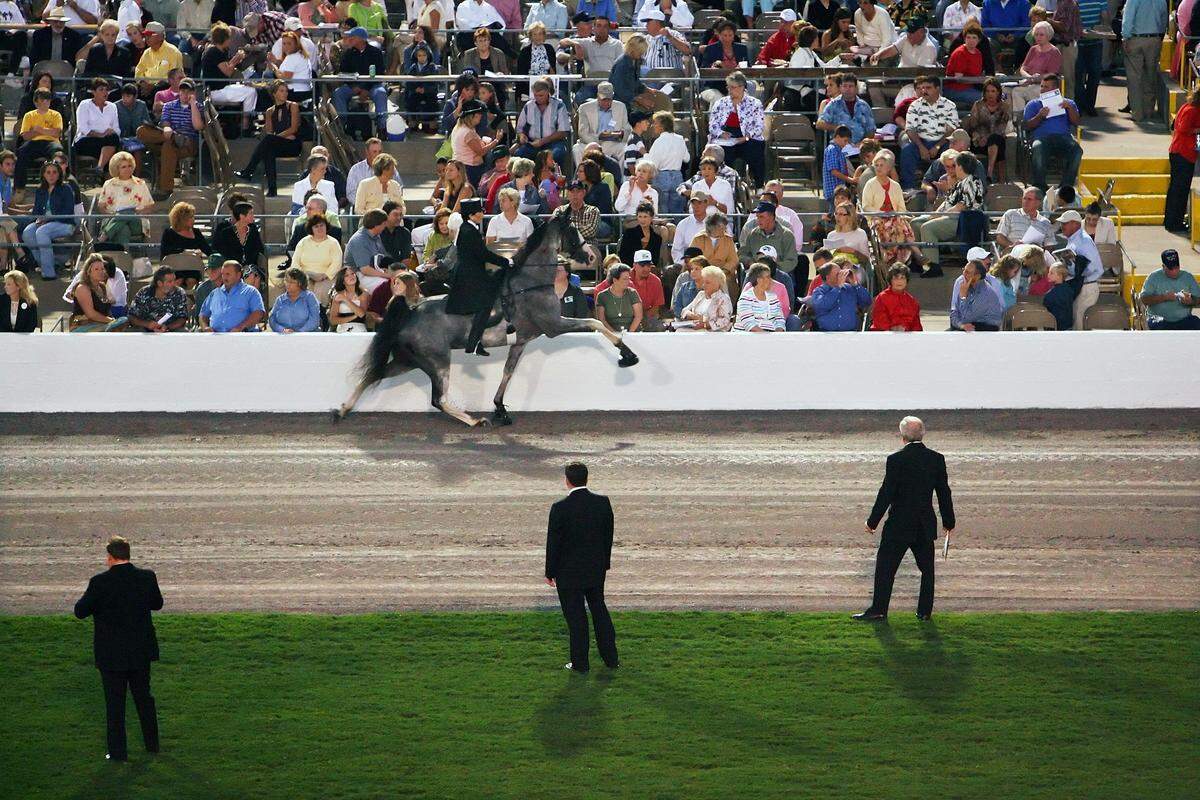
The PAST Act confronts the problem by amending the law to eliminate industry self-policing, ban soring devices and strengthen penalties. In 2013, the successful prosecution on state and federal charges of a soring trainer who had won the industry’s highest awards catalyzed the introduction of the PAST Act, and it’s gained support ever since.
We at the Humane Society of the United States and dozens of other groups committed to ending soring have also pressed for a regulatory approach to reform. A 2010 internal audit of the U.S. Department of Agriculture’s Horse Protection Act enforcement exposed the complete failure of industry-run inspections in detecting soring at horse shows. The USDA agreed to develop a program that eliminates industry conflicts of interest, and in 2017 announced a rule to take back responsibility for the licensing, training and oversight of inspectors and to end the use of soring devices on breeds typically subjected to soring. But the rule was set aside after a freeze on new regulations.
Recently, however, the USDA communicated its intent to issue a new soring rule, and the nation’s leading animal protection, horse industry and veterinary groups are urging the agency to ensure it contains all the key elements of the 2017 rule and finalize it as a top priority.

In addition to working to advance PAST and the USDA rule, we’ve also successfully lobbied for increased funding for Horse Protection Act enforcement, which has more than tripled in recent years. And we’re working to overcome the reluctance of some few senators, including Kentucky’s, to enact PAST.
This strategy puts ending soring at the heart of the horse protection agenda in Congress and the executive branch, and puts the industry and its apologists on the defensive. It doesn’t matter how soring ends; it only matters that it does.
Unfathomably, a single organization, Animal Wellness Action, naively joined the horse soring fraternity in peddling a deal that would codify the victimization of walking horses. Even now, on the brink of a successful vote on PAST in Congress, they are recklessly trying to water it down. Given the bipartisan support behind this long-needed horse protection measure, it’s startling to see a purported animal protection group so eager to compromise on points that will hurt animals, offering up loopholes that would allow soring to flourish for another half century. Against this shameless gambit, we’re working to ensure that only good public policy prevails. We hope you’ll stand as we do: with the horses.
Keith Dane is the senior director on equine protection for the Humane Society of the United States, a lifelong owner of Tennessee walking horses and one of the nation’s leading advocates for their protection.