
Kentucky’s abortion laws will violate reproductive and religious freedom
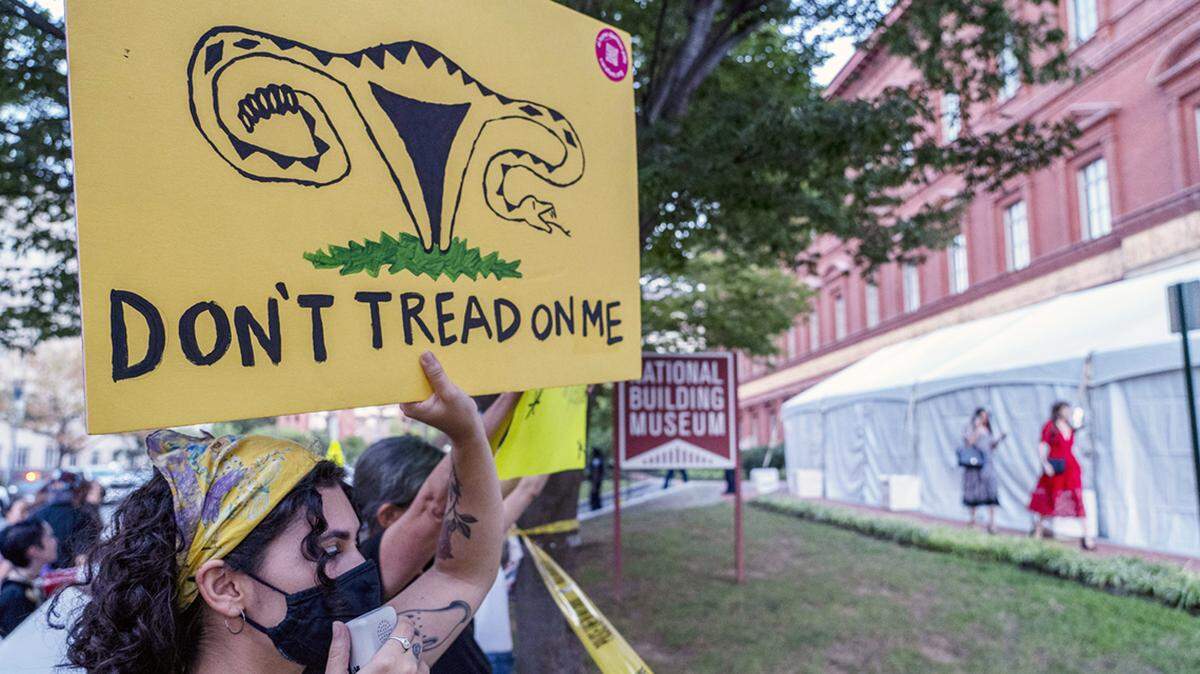
As voters head to the polls next month to determine the fate of Amendment 2, which would further codify the restrictions on reproductive freedom in Kentucky, we must ask ourselves: What other freedoms are we sacrificing?
Kentucky has long held a strong belief in freedom of religion. In fact, in 2013 more than four-fifths of the legislators re-affirmed that right, with Democratic control of the House; no doubt it would pass by an even greater margin today. In essence, the simple, seven-line bill clarified there must be “clear and convincing evidence” before the government can infringe on someone’s “sincerely held religious beliefs.” And yet that is precisely what the laws prohibiting abortion are doing.
This argument is a key claim in a lawsuit recently filed by three brave Jefferson County women against Attorney General Daniel Cameron and the Commonwealth of Kentucky. This case is unique in that these women aren’t seeking abortions. Rather, all are Jewish women who have had, or would need to have, in vitro fertilization to conceive, and they worry that Kentucky’s current laws would potentially expose them and their physicians to felony charges for attempting the procedure.
The mere threat of a lawsuit has already had a chilling effect whereby doctors are advising their patients to travel to other states for reproductive care, even when actively seeking to grow their families. It’s as ironic that laws ostensibly called “pro-life” are discouraging reproduction as it is that a state that promotes “religious freedom” willfully ignores that there are other religions.
Even though my swearing in is still weeks away, I have already had colleagues ask me if it is really true that Judaism permits abortion. Not only does Jewish law permit it, but in many cases, Jewish law prescribes it. If a pregnancy endangers the life of a mother, or her physical or mental well-being, or is a result of rape and incest, or is a non-viable fetus, then the answer in Jewish law is clear.
These laws are not just an affront to women, they are an affront to personal liberty, and as this lawsuit explains, they are an affront to Judaism itself. Plainly put: these laws are not based upon long-standing, widely-held Judeo-Christian values, which for thousands of years held that life begins at birth. They are instead based on a very political interpretation that now imposes itself on other faith systems.
The issue is also deeply personal to me. When I was young, my mother became pregnant and was given a 50 percent chance of surviving the pregnancy due to complications. The odds of a live birth were far worse.
If she didn’t already have two small children, she would have taken that chance and if successful, loved and nurtured another child. But she didn’t want to orphan the two children she already had.
Jewish law was clear: my mother shouldn’t put her life, and our well-being, on the line while facing long odds of a successful birth. Current Kentucky law, however, would not have allowed my mother to terminate the pregnancy, and a simple toss of a coin would determine if she lived.
These stories, and countless stories not yet shared, tell us the real impact of these laws. It is time for men of conscience to stand up and speak up. These are our wives, our mothers, our sisters, and our daughters, and their most basic rights are being stripped away in front of our eyes.
The damage already done is substantial, but it will be far, far worse if we don’t fight back. Let’s begin by defeating Amendment 2 next month. Let’s elect politicians who will codify reproductive freedom at the state and federal level. Let’s fight these laws in the courts as well. If we fail to act, countless more women will needlessly suffer and die— and it may be years or even decades before our daughters will even have as much freedom as our mothers.
Daniel Grossberg is the state representative-elect in the 30th District in Jefferson County.