
Changes to our healthcare system should be a priority for elected officials
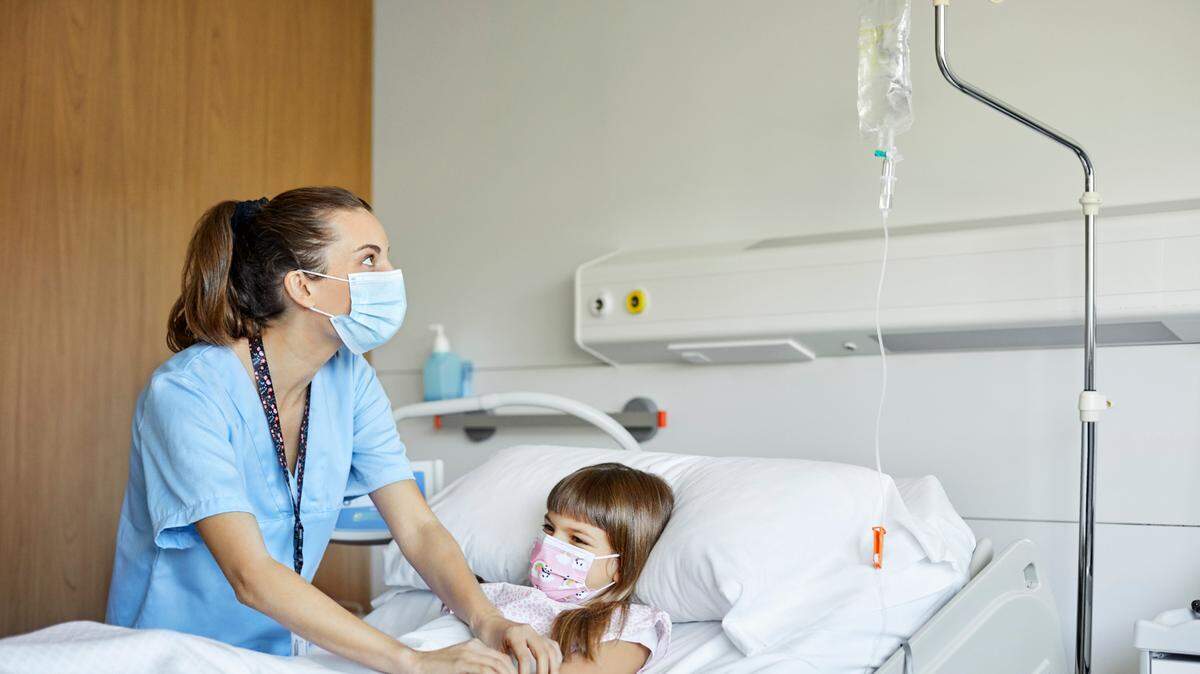
For those who believe our country is hopelessly divided, there is at least one area where we broadly agree: Our country’s healthcare system isn’t working like it should.
What we have is truly a study in contrasts. Although it represents about a fifth of our economy, employs an eighth of our workforce and 90-plus percent of Americans have health insurance, there are still significantly underserved areas, severe staffing shortages and thousands of families who have been bankrupted because of medical costs. On top of that, the United States trails many other industrialized nations in such critical areas as life expectancy and maternal mortality.
While there is no single solution to these problems, that doesn’t mean there aren’t positive steps we can take. Many of these solutions, in fact, have already shown their worth in other states, and I have been proud to champion them in the General Assembly.
One of those – stopping surprise medical billing – finally became federal law early this year. In short, it is designed to keep patients with private insurance from paying unexpected out-of-network costs during an emergency or when they are at an otherwise in-network facility, such as a hospital. Average costs in these cases run as high as $2,600. Now, these patients will essentially pay what they would have had the care been in-network.
An added benefit of this federal law is that it calls on medical providers to give a “good-faith estimate” of non-emergency services for those who do not have health insurance or who opt to pay for their own care.
With that good-faith estimate in mind, many states have found true value in establishing an all-payer claims database (APCD), which aggregates actual healthcare costs in a way that makes it much easier for the public to make apples-to-apples comparisons and for health experts to spot problems that otherwise would go undetected.
These studies show routine procedures like knee replacements can be six times higher in one hospital than another, and these databases can root out waste, as the state of Washington did when it pinpointed more than $280 million worth of unnecessary care.
In 2019, meanwhile, Virginia used data to show that cancer patients were not getting the full pain treatment they needed. Other studies have proven the value of urgent treatment centers and found discrepancies in the care of such diseases as diabetes.
There are two other healthcare-related initiatives that have been effective since the start of the pandemic that I think would be especially helpful here. One would allow employees to earn paid sick leave, and the second would make health insurance available on their first day of work, if that benefit is offered.
According to Forbes, about 33 million U.S. workers do not have paid sick leave, meaning they often have few options but to go into work while sick. This trend is especially pronounced in the service industry, which interacts with the public the most.
Governing.com says that 17 states have paid sick leave, along with at least 20 local governments. The article cited a study showing that, when this benefit was temporarily provided by the federal government in the pandemic’s first several months, the 33 states without this benefit saw 400 fewer COVID-19 cases a day on average than would have been expected, a move that made a major difference in helping to slow the disease’s spread early on.
Not only is Kentucky not among the 33 states without paid sick leave; in 2017, the General Assembly went a step further by actually blocking local governments from being able to require businesses to provide this and similar benefits in their communities.
My plan would let all employees across the state earn one hour of paid sick leave for every 30 hours they work, and they would be able to use their accrued leave after 90 days on the job.
Just as they should be able to earn sick leave on their first day, I believe businesses providing health insurance should also make the benefit available on that same day.
My husband and I understand the need for this change all too well, because he suffered a medical emergency at a time when we both had started new jobs but were in the waiting period for health insurance. While I am forever grateful he was able to fully recuperate, it will take years to pay off bills that would not have arrived had our health insurance benefit started on the same day we did.
Hopefully we can implement these and similar bills when the General Assembly returns to the Capitol in January. They would save families money, limit the spread of sickness in the workplace and make it easier for the state to better respond to our healthcare needs.
These proposed laws may not fix our ailing healthcare system, but there is no doubt they would bring us a lot closer to that vitally important goal.
State Rep. Cherlynn Stevenson is defending her seat in the 88th District.