
National forest lands must be used sustainably for people and wildlife, alike
Recently the Lexington Herald Leader ran an article about the organization Heartwood suing the United States National Forest Service over a logging project in the Daniel Boone Forest. Specifically the lawsuit was filed over the South Red Bird Wildlife Enhancement Project in Clay and Leslie Counties. The area involved would total 3,600 acres in the Daniel Boone National Forest which encompasses 708,000 acres. It is one of the very few logging projects that have occurred in the forest in many, many years.
The rationale utilized by Heartwood in this lawsuit says that the Kentucky arrow darter and snuff box mussel will be impacted in streams and rivers while the northern Long Eared Bat and Indiana Bat will be impacted on the landscape. By my calculations this would leave 704,400 acres for these species to survive.
Over the years the Heartwood organization has utilized this tactic to delay or destroy other wildlife projects in the Daniel Boone Forest. While they claim that the above species will be impacted they seem to ignore the habitat needs of the Ruffed Grouse, American Woodcock, Wild Turkey, White-Tailed Deer, Appalachian Cottontail, Bobcat, Eastern Box Turtle, and the heavily endangered Monarch Butterfly. Perhaps their cherry picking of specific species should take all these forms of wildlife in consideration as their decline has been ongoing. The Monarch Butterfly in particular could utilize the undergrowth of emerging goldenrod and asters of the young forest as they migrate southward.
Over the years across the Appalachian range, the number of acres in quality young forest habitat has declined significantly and the population of wildlife species that depend upon it has declined as well. Many songbirds have been affected by this decline. Maybe Heartwood should take a look at the populations of golden winged warblers, Eastern towhee, Common Yellow Throat, and the Red-Eyed Vireo in their reviews as to what is needed in the forest.
In the 1960’s through the end of the 1970’s the Forest Service opened up many patches of forest that proved to be beneficial to many wildlife species The rise and return of the wild turkey population in Kentucky can almost solely be attributed to this forest enhancement. On the other hand since the decline of young forest acres in the Appalachian chain, the ruffed grouse has almost become an endangered species.
Young forests and edge do not function alone, they reach out and touch the boundaries of the existing mature forest creating a useable habitat for all wildlife species. Much has been said about the role of carbon sequestration in aiding the earth’s atmosphere. Research has shown that new, young forests capture carbon at a much higher rate than old growth forest. The old growth captures carbon at a very slow rate, if at all. Even the respected Nature Conservancy has included responsible logging in their Appalachian plans in far southeast Kentucky.
Another point that Heartwood talks about in their suit is the number of people who enjoy visits to the area. Each fall I take a trip to the Northwoods which encompass the Lake States of Michigan, Wisconsin, and Minnesota. A majority of the forests in these states are state forests and the amount of logging that is done on a clear cut basis is vast and contributes much to the local economy. Yet if you travel to these areas you will find the numbers of people who visit each year to hike, canoe, fish, snowmobile ride, and much more is far greater than the tourist destination in the Daniel Boone Forest. In the long run it will also be more conducive to elk populations as they need cutover areas to graze and as the strip mined areas of eastern Kentucky mature their habitat dwindles.
Heartwood also claims that logging produces landslides and it may well do so. But this past week while wade fishing in the area I counted five large landslides along the body of water that I traveled and all occurred on a mature forest site which was completely undisturbed. The steepness of the terrain in this area will always make a slide possible.
National Forests are not National Parks. They are to be utilized to their fullest potential. This means economical as well as environmental. There are many, many other outdoor groups that utilize the Daniel Boone as much, if not more, than Heartwood. While wading the flowing waters of the area for smallmouth bass it is rare to see another soul.
In dealing with the administrators of the Daniel Boone National Forest, I have found them to be tremendous stewards of the region and always open to suggestions for making the forest better for wildlife and the ecological well-being of the area.
It is also interesting to note that Heartwood asks for their attorney fees and costs to be covered by the Forest Service in their lawsuit. It would seem that if they were passionate enough about their ideals this would not be an issue but is perhaps a way to keep funding their organization.
The Daniel Boone National Forest is a great resource for all. It is to be admired but more importantly to be managed for the well-being of humans and wildlife alike. Many Eastern Kentucky counties hold large chunks of the forest and the needs of their residents must be met as well. A sustainable National Forest should be the goal of everyone.
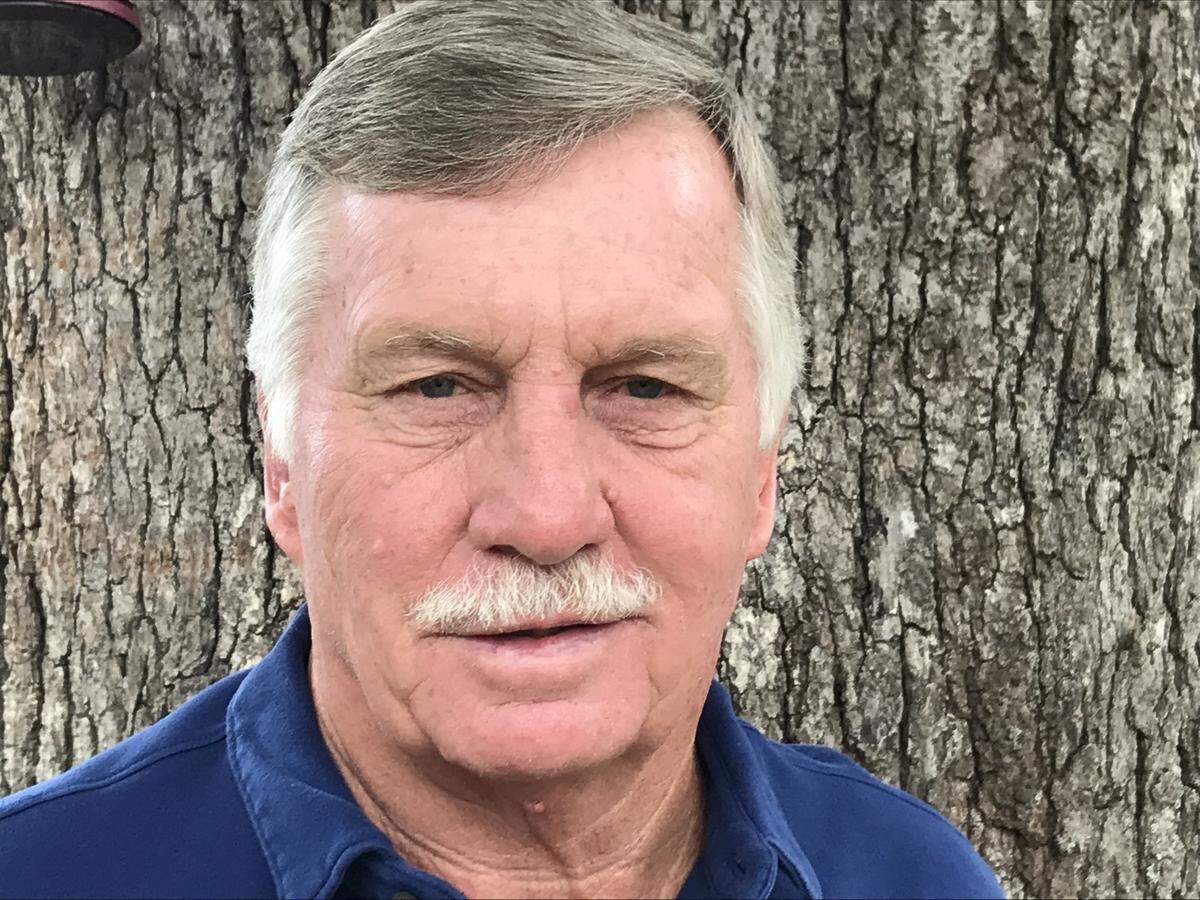
Mark Reese is retired from the UK Cooperative Extension Service and lives on a small farm in Estill County where he raises sheep, and writes a weekly outdoor column for the Estill County Citizens Voice and Times.