
Proposed Ky income tax bill will give to rich, take from poor. Here’s an alternative. | Opinion

When the General Assembly returns to the Capitol in early February, it likely won’t take long before it enacts House Bill 1, the tax “reform” legislation that Republican leaders are touting as the best thing since sliced bread.
What most Kentuckians need to understand is that they’re going to be getting bread crumbs, if that, while those already doing well will get much of the rest. At the same time, all Kentuckians will suffer because vital state services like public education and mental-health programs will be at greater risk of being cut during the next economic downturn.
During debate in the state House earlier this month, House Bill 1’s supporters challenged opponents like me to deliver a better alternative. My House Bill 111 provides a way forward after House Bill 1 goes into effect, raising the resources to help fill the huge hole created by House Bill 1 by asking more of those who have more.
Before we get to my proposal, here’s some background on the problem at hand.
Back in 2018, the Republican-led General Assembly did away with the progressive income tax rate, creating huge tax breaks for higher income Kentuckians while more than doubling the rate for those living paycheck to paycheck.
Last year, the legislature went a step further by setting up a convoluted system designed to lower the individual income tax rate in half-point increments until (supporters hope) it disappears. That’s a tall order for the single-largest contributor to the state budget, and their only plan to backfill a fraction of the losses is to add a regressive sales tax to dozens of services.
Those costs, which were added under the 2018 and 2022 laws, are now on our veterinarian bills and gym memberships and have increased what we pay to park, take an Uber, market a business, or enroll our kids in summer programs, just to name a few.
Those sales taxes are why many Kentuckians will pay more, not less, under House Bill 1. Longstanding exemptions, for example, mean you get no benefit if you’re a retiree whose pension is less than $31,100 a year or military personnel earning active-duty pay.
Those whose incomes are close to the poverty line will have to pay more, too, because it won’t take long before the new sales taxes erase the pennies a day they’ll be getting under House Bill 1. At the same time, those earning seven-figure salaries will be getting more than $11,000 a year on average, a cruel and massive disparity. That disparity will only increase as the income tax rate decreases.
From the state’s perspective, 2022’s new sales taxes will only replace about $1 for every $12 in lost revenue, which will total $1.2 billion each and every year after 2024. That’s more than the state sends every public college and university, and it won’t take long before it causes our pandemic-driven budget surplus to dry up.
The trickle-down theory that lower taxes create higher state revenues has been disproven several times in other states. Kansas showed that most spectacularly a decade ago, when its leaders led a disastrous attempt that crippled its government and eventually forced them to reverse the damage they had caused.
House Bill 111 is my effort to bring back a graduated income tax after this year, but only for those earning more than $100,000. If your income is below that, your rate will not change following House Bill 1, while those earning between $100,000 and $125,000 will see the rate return to five percent. Those earning more would go back to the six percent rate that had been in place for higher earners for 80 years before 2018.
Simply put, House Bill 1 is a massive give-away to wealthier citizens who don’t need it and yet another burden for those who can’t afford it. At the same time, it all but guarantees that we will never really be able to tackle long-standing problems already in place. Those include a shortage of 11,000 public school teachers, higher-education state funding that is just slightly more now than it was 15 years ago and long waiting lists for health-service programs our most vulnerable citizens need and deserve.
The General Assembly still has opportunity this legislative session to reverse the course House Bill 1 would put us on. If my legislative colleagues really want to do the most good for the most people, they’ll support my House Bill 111 as a way forward for the commonwealth.
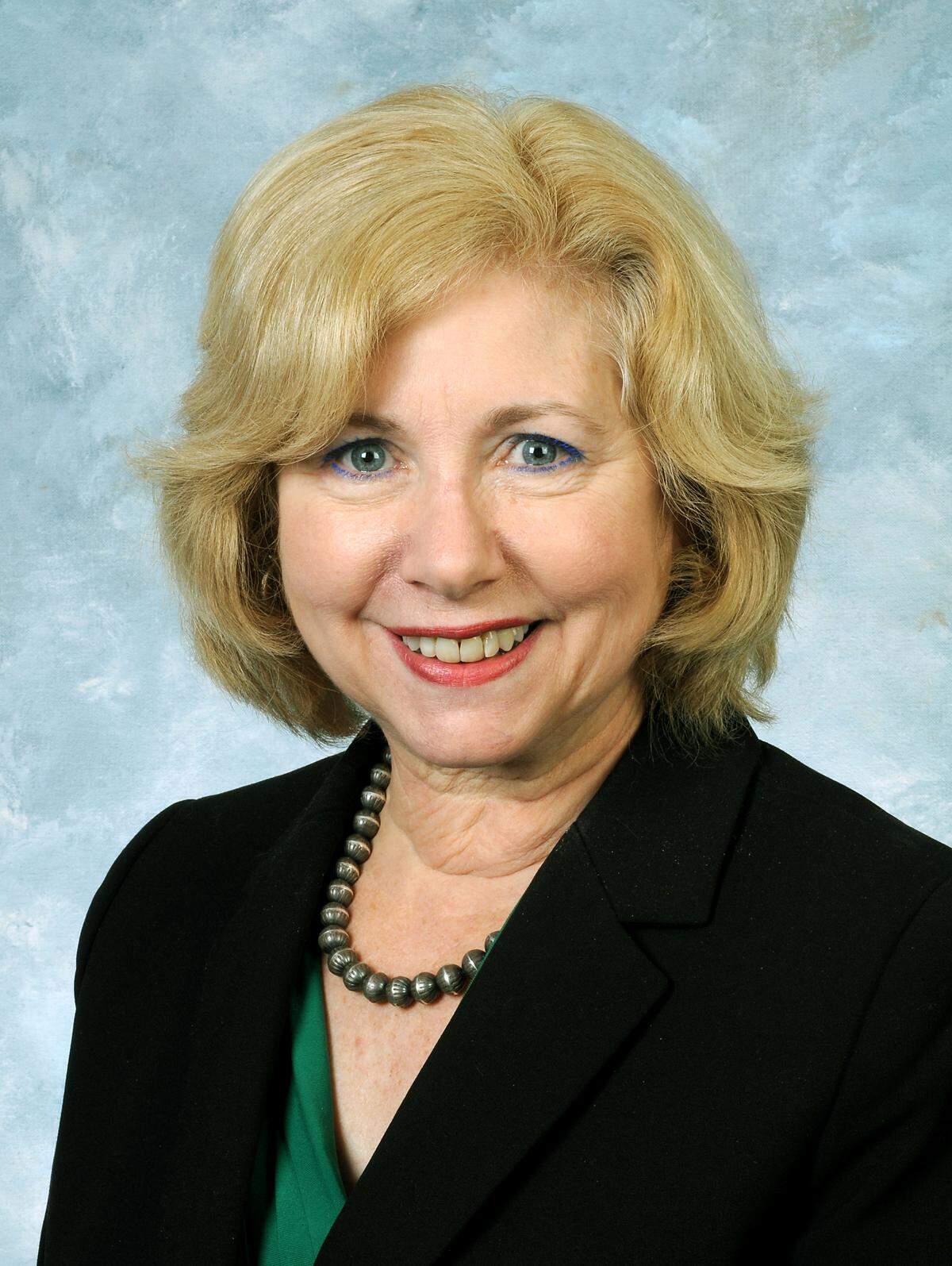
Kentucky Rep. Lisa Willner represents the 35th House District in Jefferson County.