
Mental illness can be debilitating. But as I found out, keeping it a secret makes it worse. | Opinion
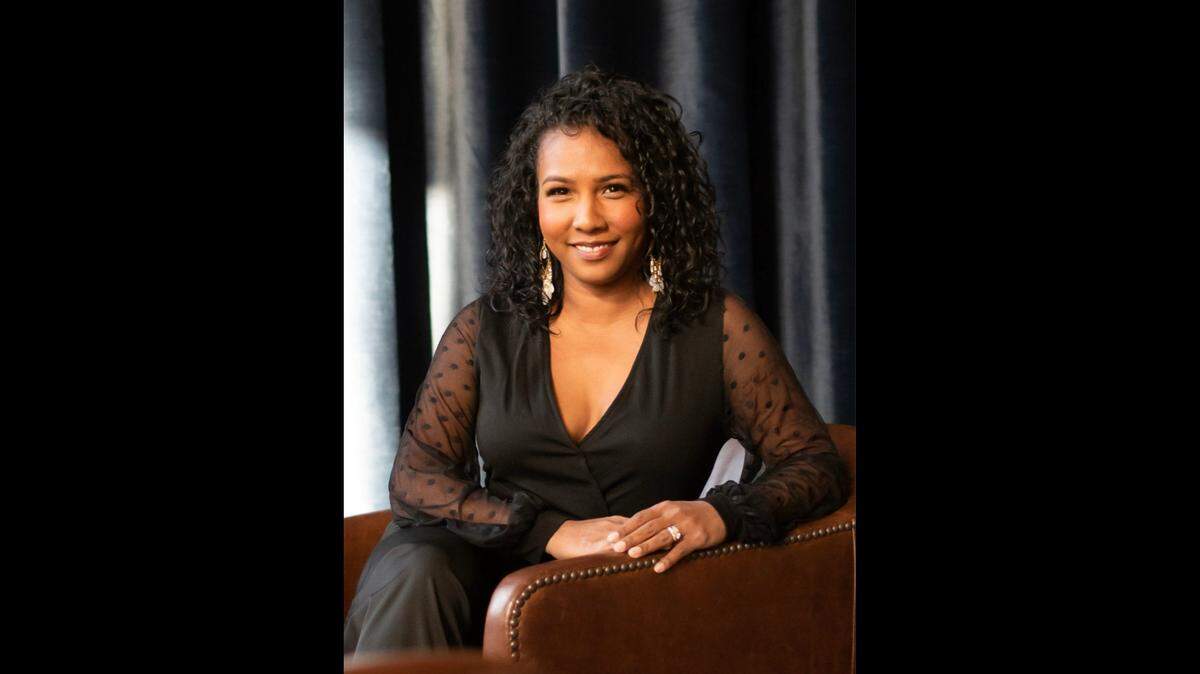
I was not a confident mother. When my first child was born, I was isolated, far from family, new to town having just moved to Kentucky with my husband about a year before our first child. Friendships were rather sparse and cordial at best. But there was something more. I had been diagnosed with bipolar disorder four years earlier, and I was terrified about how that would affect how I mothered. I believed in the stigma reinforced by a therapist I no longer saw who said, “ You cannot have children, given your bipolar diagnosis.”
Bipolar disorder type 2 is defined by prolonged episodes of depression with bouts of a milder form of mania called hypomania. When I became a mother, there was nothing more I wanted to do then to be like the moms I’d seen on TV or in the mommy and me classes. I imagined their perfect lives with their perfect children and vowed to be the same for my child. Except, it wasn’t the same for my child because I had my diagnosis to contend with. When I was hypomanic, I felt like I could do it all, breastfeed, pump breast milk, make baby food, do all the shopping, deep clean the house, do all the laundry, cook dinner for my husband, any and all chores around the house. But the higher the hypomanic episodes, the deeper the ravine I would fall into with depression. I lived my life on a tightrope balancing the episodes.
I remembered so clearly when the therapist questioned my desire to have a child, and how I had conviction like I’d never had before that I was going to be a mother but realized very quickly why that stigma proceeded it. I was flung back to the beginning of my diagnosis and all the stigma I had believed about people with bipolar — they could not be in relationships, they could not have steady jobs, they could not be contributory participants in society and as such would not make good mothers.
One day when my oldest daughter was eight months old, I found myself folded over in a struggle with being a mother and keeping my full-blown episode in check. I’d stopped taking medication during my pregnancy, and I wanted to breastfeed so I hadn’t resumed. My daughter was screaming and fussing and I couldn’t calm her and I couldn’t comfort her and the house was in disarray and my mind was racing and I was barely functioning. I knew I needed to feed her but she would not nurse. I tried the baby food but she was screaming so violently I was afraid she would choke. I froze. I had few friends, but one fellow mom, Jenny, was a woman I trusted. I called and asked her to come over to help me. Within fifteen minutes, she let herself into my house to find me on the floor holding onto my screaming baby.
“I have bipolar disorder type 2,” I confessed. I told her I was having a mixed episode where hypomania and depression were coming at me at the same time. Jenny didn’t pass judgment. She took the baby and held her till she calmed down and she sent me to bed. In the years to follow, I learned from our friendship that I had never needed to do this alone. It takes a village for any mother, but when you’re fighting something like bipolar, it can be extra hard to ask for help for fear of what people will think.
Once I got back on medication and back into therapy, I saw with clarity that mothering with bipolar disorder was possible, but I had to first accept the fact that I had an incurable condition. That said, it’s manageable with the right treatment plan. For me, that means emergency plans, drug therapy and talk therapy, a self-care regimen, social connections, and a commitment to recovery.
I’ve been a mother for eight years now, and I see the sparkle in my children’s eyes when I tuck them into bed every night and I’m reminded of the power of healing and what it can bring to my life. I made a decision to share my experience through writing my debut memoir, “Enough – A Memoir of Mistakes, Mania, and Motherhood” last year. I no longer hide in fear and shame about my diagnosis. Instead I feel empowered in my acceptance and acknowledgment that bipolar disorder is a diagnosis, and that I have the tools I need to better navigate my life. Recovery is a choice, not a sentence.
According to the National Institute of Mental Health, 2.8% of U.S. adults have bipolar disorder. Living with mental illness is one that 1 in 5 adults in the U.S. experience. Normalizing mental health is not overnight oats, but we must move the needle and challenge the deep-seated stigma around it to provide space for those in recovery. When we are willing to show empathy, openness to learning, and compassion for each other, we begin to support safe spaces for so many who’ve been alienated in their recovery journey.
Amelia Zachry is the author of “Enough - A Memoir of Mistakes, Mania, and Motherhood,” a story of hope for those trying to better understand the realities of living with PTSD and bipolar disorder.
This story was originally published February 9, 2023 at 9:52 AM.