
Marching band requirements keep Fayette schools’ music programs from being inclusive | Opinion
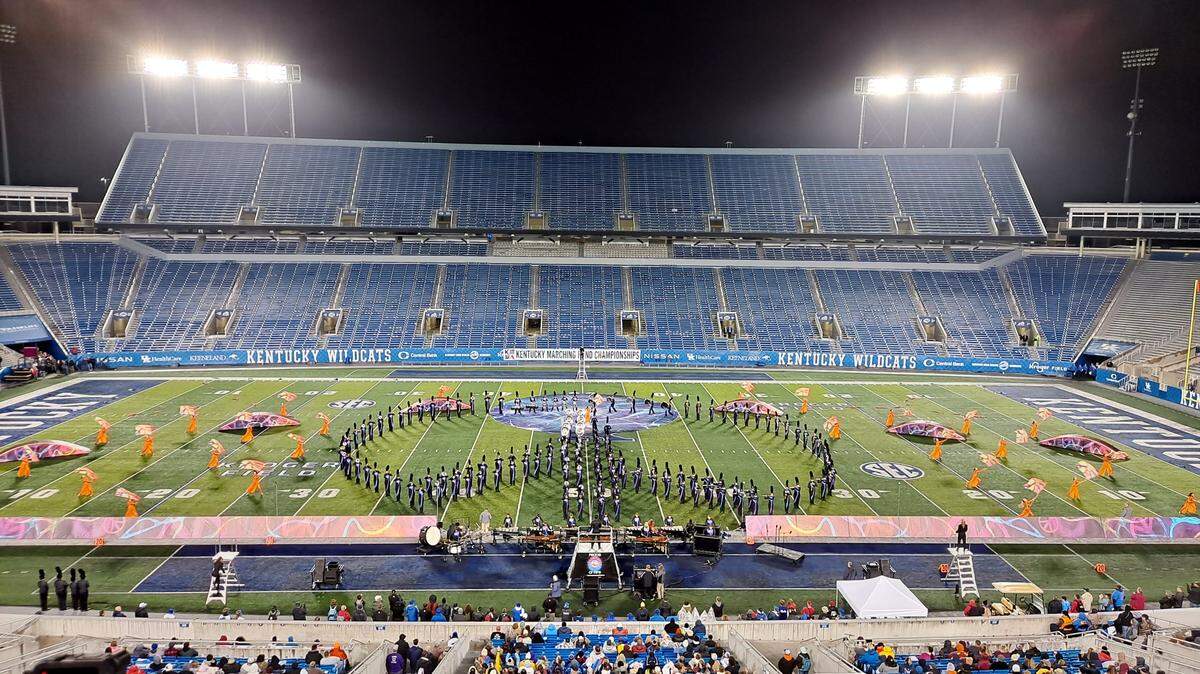
Public music education is something I admire about Fayette County. Not every public school district has the opportunities and ensembles available here. However, there’s an unofficial rule that’s holding many high schools in FCPS back from having inclusive band programs: marching band requirements.
At several schools across the district, every student interested in band must participate in marching band, sometimes for a year, or all four years, like at Lafayette. I’m a senior at Lafayette High School, and I’m pursuing saxophone in college, but I was forced out of my first chair spot in my school’s band because of these requirements. As a neurodivergent musician, the long hours of yelling and loud practice led to sensory meltdowns so extreme that I could no longer tolerate it. Certain noises are physically painful for me and other neurodivergent people. Many times, it is difficult if not impossible to push through sensory overwhelm.
While administrators have told me that I should have just chosen a different instrument, this advice is unrealistic and attempts to pivot the responsibility from the program to the student. I chose saxophone when I was nine because I loved it specifically. I have dedicated hundreds of hours to practicing and performing on saxophone for nearly ten years. I am a Governor’s School for the Arts graduate on this instrument. Marching band is a uniquely distressing experience for many neurodivergent musicians, even those who have been successful in other musical settings. This rule excludes them.
In addition, marching band is costly, both in money and time. When I was enrolled, band participation cost $1,200 yearly. It consumes over 300 hours per season, considering the three-hour daily practices after school, summer and fall band camps, spring mini-camps, and competition days. Students who provide for themselves and their families have to sacrifice sleep to continue working or quit. This makes it even harder for lower-income students to receive a music education on a wind instrument or percussion.
Still, many claim that marching band isn’t really required since directors make exceptions for fall athletes. This reasoning ignores that fall sports are often inaccessible for the same reasons as marching band: fees, daily after-school practices, long competitions, physical exertion, and loud, overwhelming environments.
Others worry that marching band enrollment would drop significantly without requirements. Contrarily, I know many friends and peers who are enthusiastic marching band members and would join regardless. Band programs can still have 8th-grade band nights, recruitment fliers, workshops, and more that invite new marchers in without enforcing exclusive policies. A program that students enjoy participating in will likely grow over time since people tell their friends to join extracurriculars that they like. Even if marching band numbers drop, the students who stay may be more dedicated since they chose to march willingly.
I want to emphasize that I have no ill will toward directors or administrators. I appreciate the hard work they do to get students involved in music. Marching bands should still be available for interested young musicians to join. That doesn’t negate how regretful it is that marching band requirements keep out the very students who could benefit most from music education.
I’m calling on other students who were forced out of a music education to share their stories. I’m also calling for change. At minimum, if leadership values education and inclusivity above competition and exclusivity, they must accommodate low-income and neurodivergent students. This includes waiving fees, giving longer breaks, and allowing students with auditory processing issues to wear ear filters. But the easiest way to include these students is easier and obvious—abolish marching band requirements.
Evelyn Weaver is a senior at Lafayette High School in Lexington, KY and a prospective saxophone performance major.