
An Afghan refugee in Lexington looks back at what has become of her country | Opinion
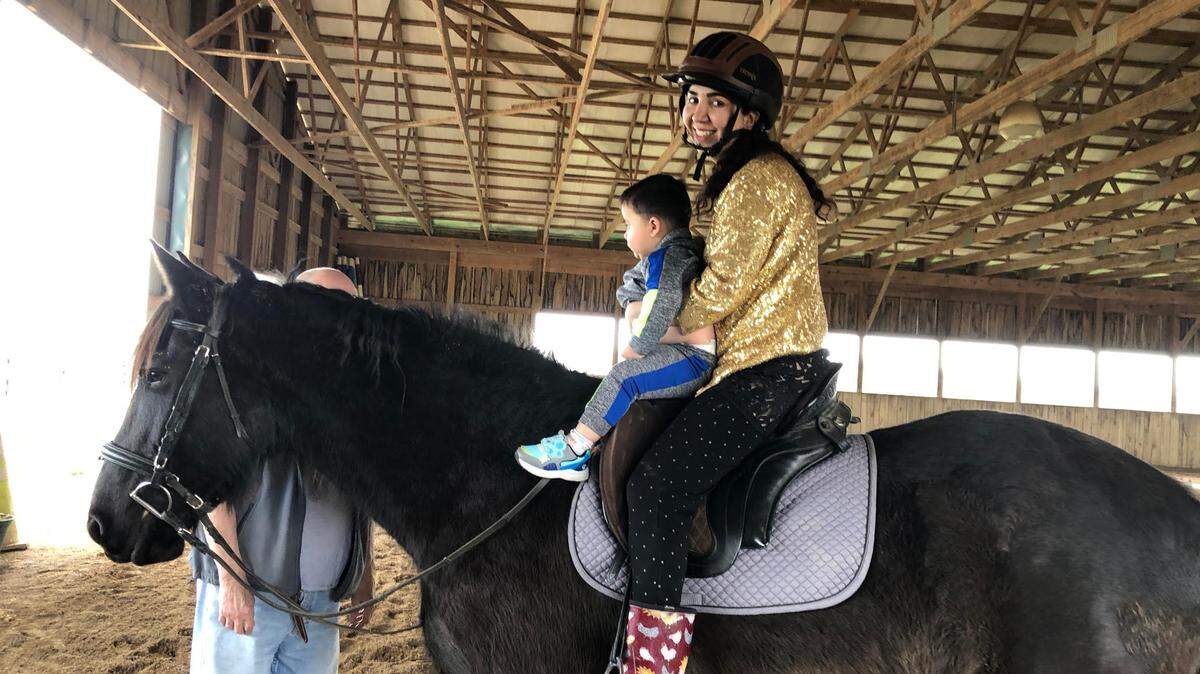
In January of 2023, I began tutoring English to a 30 year old Afghan woman named Nargis Maiwand Zafary on humanitarian parole in the U.S. While she was eight months pregnant, Nargis and her husband who had worked for the U.S. military had to flee Kabul with just a few hours notice when U.S. troops pulled out of Afghanistan on August 19, 2021. She did not get to hug her parents good-bye, she did not get to withdraw her money from the bank, and she did not get to finish defending her thesis to receive her master’s degree. Her dreams for her future were over.
All she could do was leave the only country she knew to move across the world to a land she had never been where she knew no one except her husband. Her English was poor, but she herself was highly educated, thanks to U.S. presence in her country during her formative years. Here is what she has to say about the current situation in Afghanistan:
In my country, girls can’t continue studying after the change of government. It’s been almost two years since the girls of my country had to leave school. I have three younger sisters. When I think about them, it makes me very sad and feel suffocated because they are very talented. Like my sisters, thousands of girls in Afghanistan are fighting with this situation, but they don’t have another choice, and it’s very difficult.
I really hate the Taliban and all of their ideas.
I asked Nargis what going to school was like for her as a female in Afghanistan when the Taliban was not in control.
Before the Taliban took control, all girls would go to school like me. We were educated just like the boys. We studied all subjects like the boys: mathematics, science, English, Arabic, Dari, history, geography, the Quran, painting, and writing. I used to love school, but now I just don’t because I cannot help people with my education. In Afghanistan, as a lawyer, I used my education to help people with legal problems, but in the U.S. I cannot.
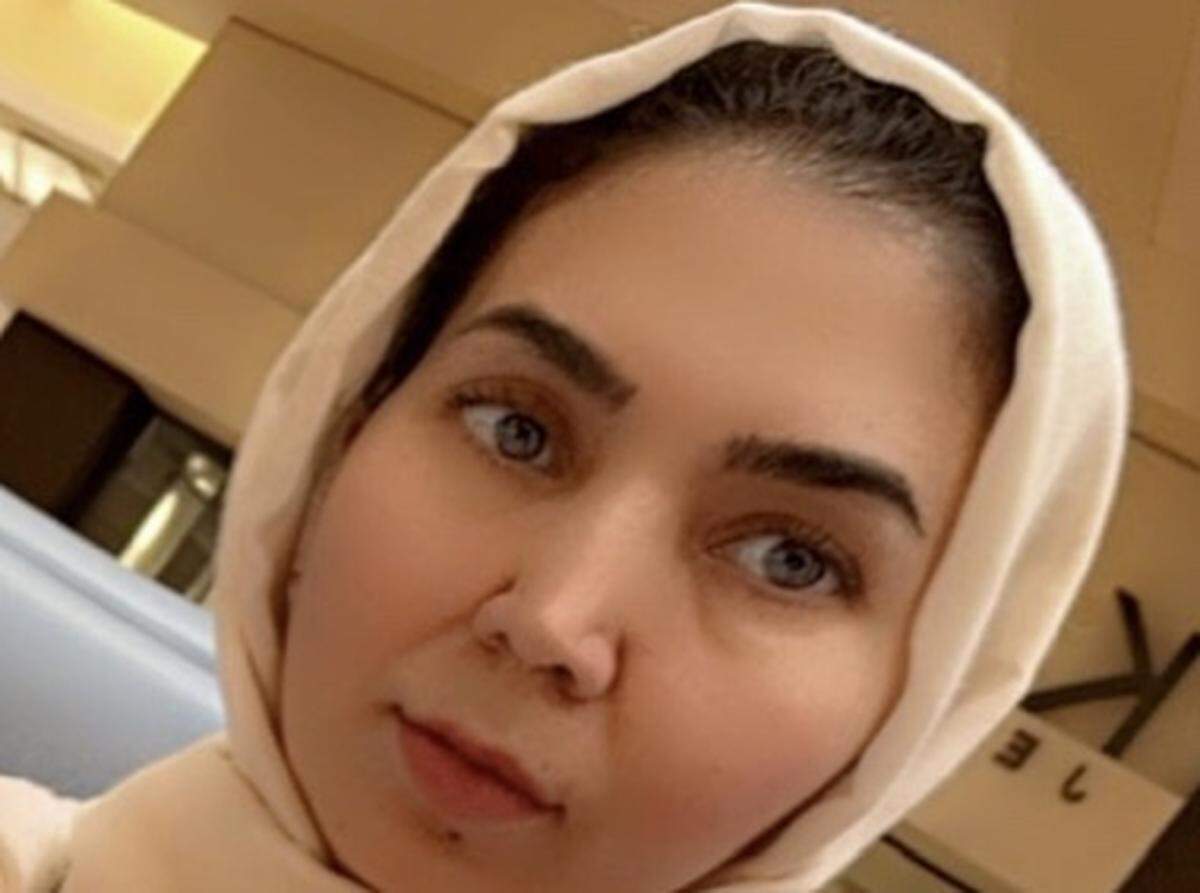
Then I asked her if she was aware that daughters of the Taliban are being sent to other countries to be educated now and what her your opinion of that fact was.
I hear about how the Taliban’s girls continue to study in other countries like Qatar. They do not wear the hijab there. I am very angry about that because their [the Taliban’s] girls study while all other Afghan girls just stay at home.
The Wall Street Journal reported that Taliban justice minister, Abdul Hakim Sharayi stated that “the reason for the suspension [of education for females] stemmed in equal measure from Afghan culture and Islamic law” and that “the school curriculum needed to be cleansed of elements that didn’t reflect Islamic values.”
Girls in Afghanistan were not learning things against Islam in schools. I know because I was educated in those schools.
Also according to the Wall Street Journal, Mr. Sharayi said, “The Americans not only invaded militarily, it was also an ideological invasion. They were trying to change our culture and morally destroy our society.” I asked Nargis if she ever witnessed American military personnel trying to change her culture or morally destroy her society. She said:
I do not think this is true. It is just politics. While I was in high school, President Obama helped my country a lot.
According to the same article, other restrictions such as being barred from working for any nongovernmental organization and entering public parks, forced wearing of the hijab, and not traveling outside without a male chaperone have been placed on women. Here is what Nargis said about other restrictions:
My mother was a teacher for boys before the Taliban took control. Now the Taliban has made new rules for women. They cannot teach boys, just young girls. Also, my female friends were legal prosecutors like me and now they just stay home. It’s very hard because they made a lot of money before. Many men cannot work now, too. The Taliban have started closing restaurants because “they are too dirty,” but the Taliban are dirty people, not the restaurants. Eating in restaurants is very popular in Afghanistan but not now.
The Wall Street Journal reported that the teacher of a secret school in Kabul had to stop her own education “when the Taliban first took power in the 1990s and forced her out of school.” She went back to school as an adult when they lost power. She said, “If we stop teaching, learning, it is like we are dead. I want to be alive.”
When I heard that the Taliban was taking control, I thought I had died because on that same day, I had an appointment to defend my thesis for my masters degree and had paid a lot of money to do so. I was 8 months pregnant and it was very hot that day, so I did not go to school. Everything is gone now. When I look in the mirror now, I think I look older.
Finally, I asked Nargis if she had any hope that her sisters and others like them would one day be able to attend school freely and openly.
I hope all of the time, but when I talk to my sisters, they are very sad when they used to be vibrant and make very high grades. My [one] sister studies online with an American university and could still earn a degree, but she cannot go to school outside her house.
Nargis Maiwand Zafary is just one of thousands of Afghan women whose dreams have died. My hope is that one day she will be able to help her sisters back home and that my tutoring her will hasten that rescue, that their dreams will find new life. Education is always the key.
.jpeg "IMG_3847 (2).jpeg")
Debra MacQuown is a retired English teacher, native Lexingtonian, and Kentucky Refugee Ministries volunteer. Nargis Maiwand Zafary is a legal prosecutor from an intellectual Afghan family whose father wanted all of his children to be educated.