
On July 4th, let’s ponder our democracy with all its frailties | Opinion
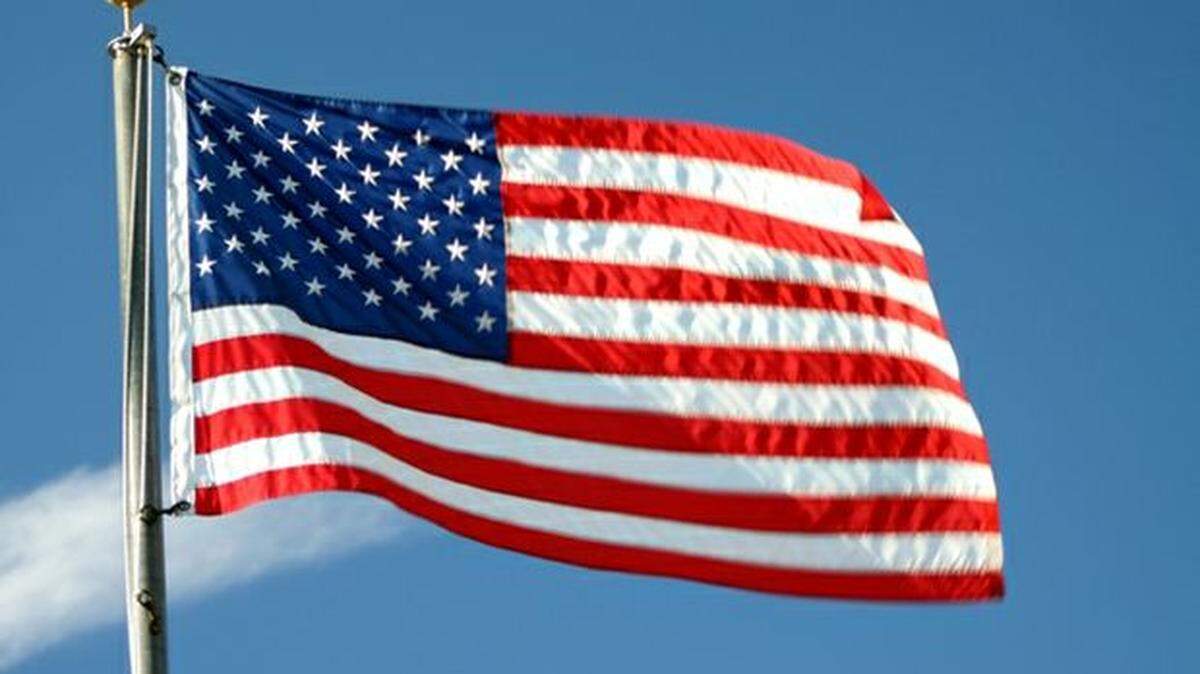
Freedom and democracy – they’re not just for July 4th anymore!
Seriously. The ideas and institutions that define our country have drawn more attention in recent years than at any time I can remember. Since Donald Trump tried to steal a second term, the nuts and bolts of the Constitution and our election system have become everyday topics in the media. Democrats rightly call Trump’s schemes an assault on democracy, and they rightly warn that he could try again.
In addition to making that case, President Biden hopes to change the perception that the GOP holds some kind of patent on Freedom®. He laid out his vision of freedom in April, emphasizing abortion and voting rights along with gun control and “a fair shot at building a good life.” Meanwhile his likely opponent in next year’s presidential race is calling for freedom from prosecutors and promising pardons for January 6 rioters.
This is a good day to revisit the Founders’ conception of freedom. It wasn’t the freedom from want and fear that President Roosevelt proposed in 1941; the founders stopped well short of that kind of grandiosity and still were seen by many as hopeless idealists. Nor was it the freedom to do whatever you feel like doing; Thomas Jefferson and friends weren’t peddling anarchy.
What the irate colonists demanded was freedom from coercion. With their Declaration of Independence, they notified King George III that his ability to coerce Americans was canceled. Then they went further, asserting that all men are born with the same rights the signers were claiming and that no government can justifiably violate them. Protecting those rights is in fact government’s primary job.
This was pretty wild stuff in the 18th century, but the old boys really went off the deep end on the subject of democracy. A government without a monarch? People choosing their own leaders? Astonished Europeans agreed: the Americans’ foolishness would lead to chaos and tyranny.
They had a point, and the Founders knew it. Several had studied the history of democratic governments in ancient Greece and Rome, which invariably descended into mob rule and then reverted to autocracy. “The body of people … do not possess the discernment and stability necessary for systematic government,” lamented Alexander Hamilton. Thomas Jefferson, the most optimistic of the bunch, believed self-rule might work if citizens were educated, informed, and immune to the lure of factions, demagogues and materialism. You have to wonder if anyone took side bets.
The architects of our government feared democracy’s proven capacity to self-destruct. They didn’t want popular opinion to guide policy, which would invite factions to compete for government favor at the expense of individual rights. But they did want voters to wield the power to hire and fire — directly, in the case of the House, and through the state legislatures for the Senate and the presidency (legislatures chose our senators until 1913, and the electors they chose for presidential elections were not at first bound to popular vote results).
The passions and prejudices of the masses would find expression in the House, if things went according to plan, while the smaller and less volatile Senate would provide guardrails. That’s right — the framers of the Constitution were looking for a calming influence from the body that today includes Josh Hawley, J.D. Vance, Elizabeth Warren and Bernie Sanders. But democracy often plugs square pegs into round holes. Even with state legislatures and the electoral college sandwiched between candidates for office and their voters, the United States took rule of the people further than most of the world thought possible.
Understanding our founding as a balancing act, performed without a net and above a sea of skepticism, can help us appreciate the most revolutionary of all revolutions. It left us the gifts of freedom and democracy. If the founders were here today, they would remind us that the latter can safeguard the former — but can also devour it.
Michael Smith is a freelance opinion writer in Georgetown, Kentucky.
This story was originally published July 3, 2023 at 9:37 AM.