
We’ve ripped the scab off Lexington’s hidden housing injustice. What comes next? | Opinion
Lexington, dubbed the “Horse Capital of the World,” is a great place to live. But only for some. Lexington is growing, but not in a way that accommodates everyone, especially black and brown communities seeking housing opportunities. Two local initiatives, the Lexington Public Library’s Undesign the Redline and Segregated Lexington by two local researchers, have peeled off the scab of what many people in our Black community have known for years. For others, it is a new revelation about the ill intended actions of past leaders and policy makers. It’s clear these actions have sent many families down a path of generational poverty and community chaos. With unveiling and facing these truths, it can now help set us on a better path to right the wrongs of the past and develop public policies that not only support but encourage housing availability and economic mobility for Black and brown families.
Homeownership is still a very distant dream for a lot of minorities in our community due to a variety of lingering symptoms of systematic barriers and policies both nationally and locally. I’m convinced that Lexington’s Black and under-served residents would be empowered by a public-private initiative centered around home ownership. This initiative should focus on financial literacy and legacy planning, down payment assistance and vacant lot consolidation. If it worked in conjunction with the city’s Affordable Housing Fund, it could be a sustainable tool to reduce generational poverty and protect our historic black neighborhoods from cultural and racial displacement. This will not only improve neighborhoods but also stabilize communities.
Policy-based solutions can sometimes be a double-edged sword.. But oftentimes, public policy can be the only mechanism to address unintentional discrimination when market forces move with no consciousness. Currently, our community is deliberating a Source of Income policy that would make it unlawful for a landlord to refuse to rent to an applicant for housing because of that person’s legal form of income.
As a policy maker, it’s obvious to me that we need to act when faced with the facts. At a recent point in time, only 4% percent of our city’s available rental units would accept vouchers as payment, which made those units affordable for families. Also, 76% of Lexington’s Housing Choice Vouchers holders are Black and all but two of the available rental units that may accept a voucher are north of Main Street. Our very own Main Street is still a steadfast example of the lack of opportunity below this line for many of the Black residents who call or would like to call Lexington home.
I truly understand all the points being made around this policy and others that address opportunities for housing affordability and availability in Lexington. It needs to be the conversations in the community that ultimately opens the hearts and eyes of those who don’t know. Until then, it’s the deliberation and decisions made among leaders and policy makers that must protect the vulnerable and balance the scales of opportunity.
I’m hopeful that we’re having the open and honest conversations around how policy and practices created such inequity, division and limited opportunities because of race. Now, we have to be honest with ourselves and admit that these conditions still exist, and they are not going to fix themselves. We have to enact policies, be focused and intentional in our efforts to correct these wrongs to bring our community together and create opportunities for everyone to reach their full potential for a better Lexington.
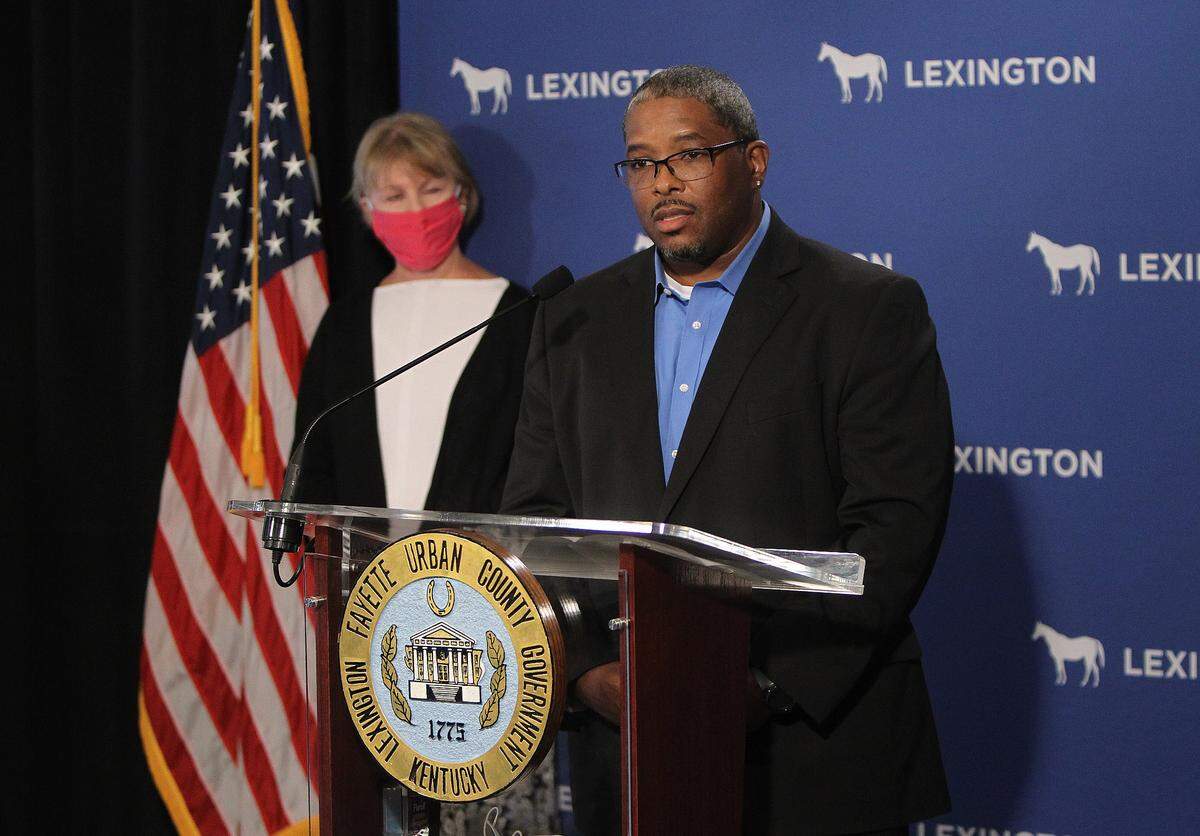
James Brown is an at large member of the Lexington Fayette Urban County Council and a realtor.
This story was originally published October 19, 2023 at 1:05 PM.