
The way out of domestic violence must include paths out of poverty and need | Opinion
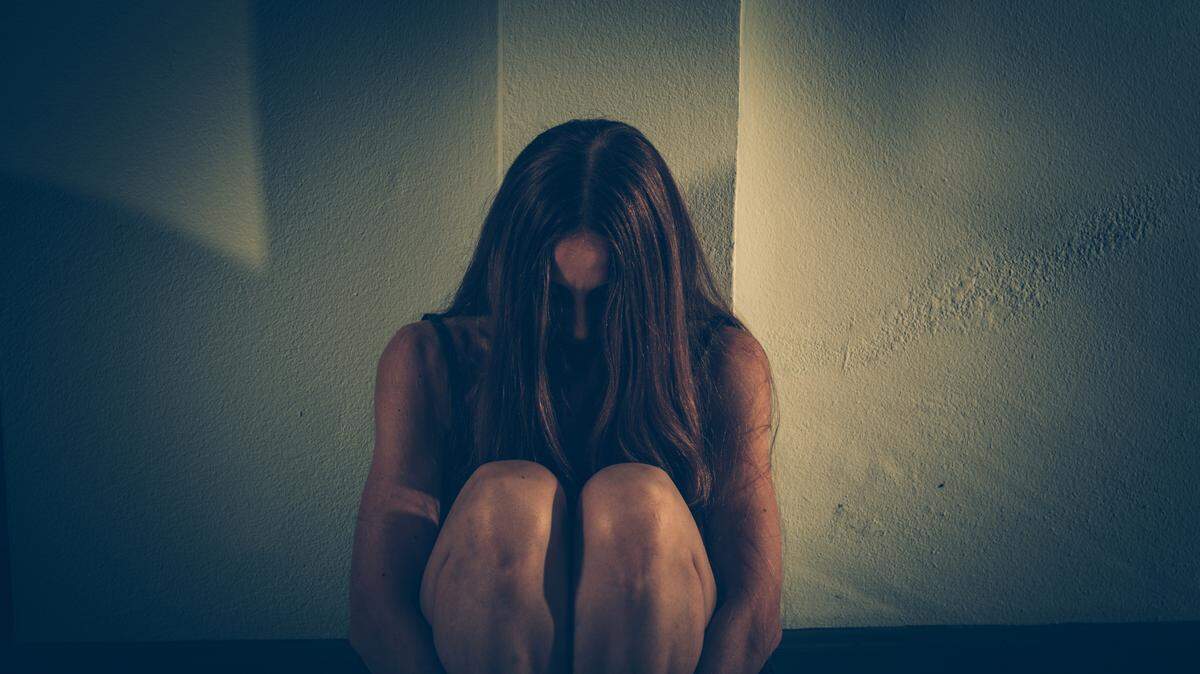
People’s wants, needs, hopes, dreams, and aspirations are like a puzzle whose pieces, when arranged together, illustrate their chosen futures. In a way, domestic violence shelters are havens where survivors and their children can safely fit together the pieces of their future. For the first time in a long time (or in some cases the first time ever), survivors and their children can focus not on their futures shattered by domestic violence but strategize ways to make new, more beautiful futures where they can live and thrive in safety and peace. And yet, too often, a survivor’s efforts to arrange, let alone obtain, the pieces that comprise their future are stifled by the disruption of access to resources through systems that are ill-equipped to serve survivors in their entirety.
Protective factors, such as reliable access to resources like safe housing, food, childcare, medical care, and transportation, are paramount to creating pathways forward to violence-free lives. When these resources are scarce, the gaps they leave behind allow intimate partner violence to perpetuate and intersecting forms of violence to arise. Domestic violence occurs in families and partnerships across all socioeconomic spectrums. However, poverty renders people vulnerable to domestic violence, and domestic violence renders survivors vulnerable to poverty. Like physical or emotional abuse, poverty itself is a form of violence. It literally makes people sick, shortening lives, causing poor health outcomes, and increasing medical costs. It also undermines people’s dignity and restricts their opportunities to provide for their families as well as their ability to heal and thrive. Survivors living in or near poverty, or living with the fear of impending poverty, are often forced to choose between their family’s physical or emotional health and meeting their basic needs. Many survivors often courageously elect poverty and homelessness to escape abusive and dangerous environments at home. Conversely, many survivors choose to “stay” in abusive relationships to avoid poverty and homelessness for themselves and their children.
We have the power to create a world where everyone can pursue futures of our choosing so long as we commit ourselves to honoring and protecting our wholeness within ourselves and without. Wholeness within means taking care of ourselves, our families, and our community in our everyday lives today; practicing reconnecting to each other, to the earth, and to all the beings that inhabit it. Wholeness without comes from waging peace with the forces that are barriers to our mission and vision.
To move toward wholeness, we must first be in wholeness. And so, this Domestic Violence Awareness Month, I urge you to find ways to see the humanity in others, even those you disagree with, refuse systems and social conditions that dishonor the lives of the people of our world and believe so fiercely in the futures we can make together that working as a collective becomes our impulse. In the words of The Resonance Network, “we can create a world of enough and plenty without the indulgence of greed, where people eat deliciously, are warm when warmth is needed and cool when coolness is needed, where danger exists but not as a constant threat to a people against a people for a people, where work has dignity, and the land slowly heals.” Futures free from violence are possible for all Kentuckians, so long as we are willing to piece together our hearts, minds, and our relentless devotion to each other as one.
Angela Yannelli is executive director of ZeroV, formerly the Kentucky Coalition Against Domestic Violence.