
Breakthrough therapies like ibogaine could help solve Kentucky’s opioid crisis | Opinion
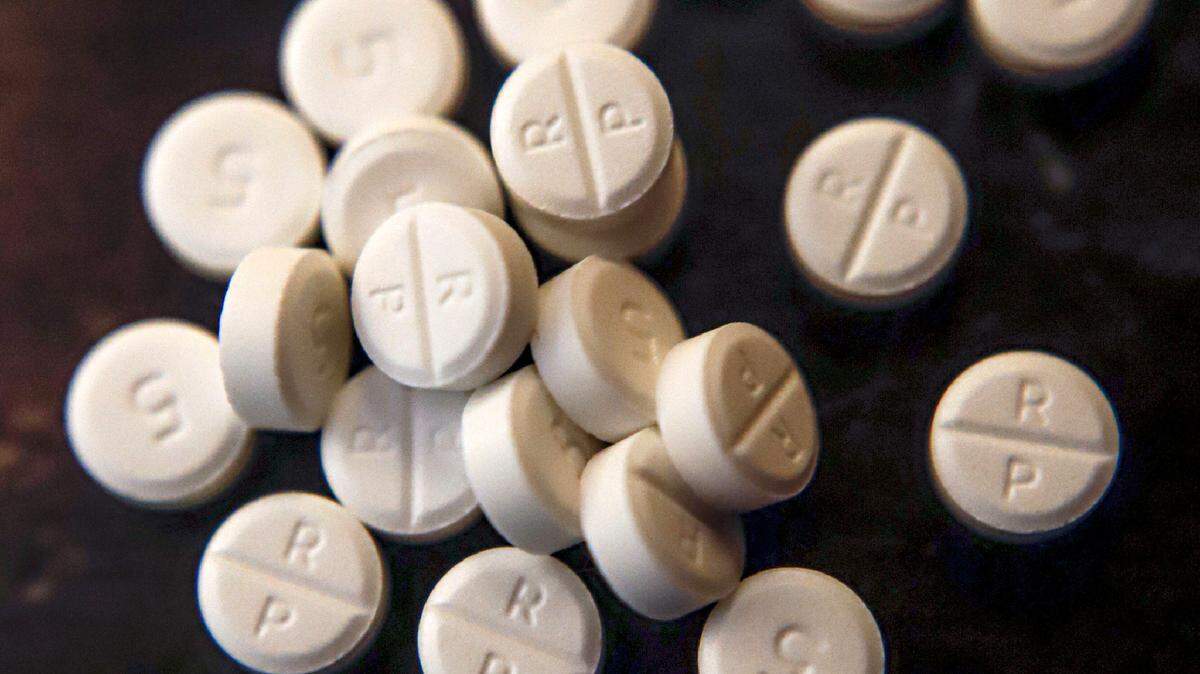
By the end of this year, the Kentucky Opioid Abatement Advisory Commission is expected to decide how to distribute the commonwealth’s portion of the more than $842 million from settlements Attorney General Cameron reached in 2022 with pharmaceutical companies for their role in exacerbating the deadly opioid crisis.
The decision will come after the commission has already heard hours of testimony from the likes of Texas Gov. Rick Perry, veterans, patients, parents, doctors and others, who support further studying alternative treatments for substance use disorder and addiction. Like many states, Kentucky has been grappling with the devastating effects of the opioid crisis for far too long. The toll it has taken on its communities, families and individuals is immeasurable.
Yet, in the midst of this crisis, there is a glimmer of hope – the Commonwealth of Kentucky has a unique opportunity to be at the forefront of combating the devastating effects of the crisis by investing $42 million (5% of the state’s allocation) in settlement funds towards the groundbreaking research of a promising treatment for those suffering from opioid addiction: ibogaine.
Ibogaine is a natural psychoactive substance derived from the iboga plant, which early research has shown has tremendous promise in treating addiction. Traditionally used in spiritual and healing rituals by indigenous communities in Central Africa, ibogaine is now being recognized by the scientific community for its potential to treat a wide range of physical and mental health conditions, including addiction, post-traumatic stress disorder (PTSD) and traumatic brain injury (TBI). For our veterans, who often grapple with these debilitating conditions, ibogaine therapy also presents a novel and holistic approach to healing.
The availability of millions of dollars in state funding to further study ibogaine offers a reason to hope for those caught in the clutches of opioid dependence and the medical community who have dedicated their careers to help them. Today, the most notable use of ibogaine is in the treatment of opioid addiction, including heroin and prescription painkiller addiction. Countless individuals, some of whom most recently testified in front of the commission, have reported that ibogaine experiences led to reduced withdrawal symptoms and cravings, providing a window of opportunity to address the underlying causes of their addiction.
According to testimony from renowned clinical and research psychologist Dr. Joseph Barsuglia, who spoke at the commission hearings, ibogaine works by rapidly alleviating opioid withdrawal and cravings, and promotes lasting sobriety in a manner that is superior to opioid maintenance therapies. In a 2018 paper by Dr. Barsuglia, which was co-authored by Dr. Benjamin Malcolm, 50 chronic opioid-dependent patients were examined. The paper found that 48 hours after a single ibogaine dose approximately 75% of patients did not exhibit any clinically significant signs of opioid withdrawal or cravings.
In a second paper, published in 2017 in the Journal of Psychedelic Studies by Dr. Alan Davis, 88 patients with chronic opioid use were surveyed up to three years after treatment, and the results were astounding. Eighty percent (80%) indicated that ibogaine eliminated or drastically reduced withdrawal symptoms and 30% of participants reported never using opioids again following ibogaine treatment. For context, two-thirds of these patients had tried suboxone and 40% had tried methadone.
While traditional medication-assisted therapies and counseling have their place, they do not work for everyone. The opioid crisis is complex and multifaceted, and we must acknowledge that a one-size-fits-all approach does not serve the needs of every patient. While ibogaine may not be a magic bullet, it represents an exciting frontier in addiction treatment and an opportunity for Kentucky to lead in the global fight against opioid dependence.
By directing a portion of the opioid settlement funding toward ibogaine research, Kentucky can pave the way for innovative and effective addiction treatment options for all Americans. We owe it to our fellow Kentuckians, veterans, those suffering and their families, to leave no stone unturned in our quest for solutions. Our commitment to addressing the opioid crisis must extend beyond the status quo, and ibogaine research represents a promising frontier.
Kentucky’s opioid settlement money is a valuable resource that can be a catalyst for meaningful change, breaking the ongoing treatment cycle that is more focused on managing symptoms than curing the underlying causes of addiction. By supporting research into ibogaine as an addiction treatment, we will take a bold step toward a brighter future for all of our communities. The lives of countless Kentuckians are at stake, and it is time to embrace innovation and invest in the hope that ibogaine research offers. Let’s seize this opportunity to make a profound difference in the fight against opioid addiction, save lives and provide new hope for recovery. Kentucky has the chance to lead the nation out of the opioid crisis, and we must take it.
Lieutenant General Martin R. Steele is a retired three-star United States Marine Corps General and co-founder and CEO of Reason for Hope and member of the Veteran Mental Health Leadership Coalition – organizations dedicated to policy and grassroots patient advocacy aimed at providing safe access to psychedelic therapies to combat the PTSD, suicide and opioid crisis.