
Appalachia deserves more than coal or cages. Another federal prison is not the answer. | Opinion
I wear two hats: one as a bookstore owner in Hazard, in central Appalachia, and the other as a project coordinator for the Sycamore Fund at the Foundation for Appalachian Kentucky. The Sycamore Fund was created to encourage initiatives that increase public safety while decreasing reliance on imprisonment as a solution to community problems. On Thursday, March 28, I wore both hats on the same day.
It’s springtime in Eastern Kentucky. The redbuds are blooming, and the vibrant green of new growth starkly contrasts the muted colors of winter. I closed my bookstore in Hazard and made my way to Letcher County High School just as the sun dropped below the hills. When I arrived, I was greeted by the sounds of a high school baseball game. The parking lot was full, but those cars did not belong to people attending a baseball game. They were there to comment on the proposed development of a new federal correctional institution and prison camp in Letcher County. Roxana is the proposed site for what will be the fourth federal prison in southeastern Kentucky. The school cafeteria was now an official government public hearing. In this space, there was an invisible dividing line between those who oppose and those who support this $500 million federal investment.
As I sat and listened to concerned citizens both opposed and in support of a federal prison, I heard desperation in their voices, desperation for a place they love and call home and a place they want to stay. Local officials are grasping at straws for any economic development, especially after the devastating flood of July 2022. But hours earlier, at the bookstore in Hazard, two ladies from Australia were visiting eastern Kentucky for its natural beauty. They had hiked our trails and were curious about wildlife that was unfamiliar to them. They were here to learn first-hand about the rich landscape, culture, and community they read about in books. I had the pleasure of introducing them to the eastern Kentucky I know and love. Still, nobody is focusing on the eco-tourism aspect of job creation, an economic driver that would allow us to tend to the place we love on an environmental level. Our elected officials continue to look to outside resources and the federal government, still looking for somebody outside of us to save us.
What I heard in that cafeteria on Thursday evening felt like the broad form deed all over again—like snake oil salesmen with the promises of jobs and money, and we’re desperate and buying it without understanding how much we stand to lose in the bargain. We’re buying into a federal prison as our answer to economic development. I don’t want to bring money into my community on the backs of people in misery at the lowest point in their lives, miles away from their home and their families; I want people to come to Eastern Kentucky because it’s beautiful, because it’s culturally rich, because it’s a place steeped in tradition.
There are three federal prisons within 100 miles of my home, each built with the promise of jobs and economic development, each located in counties that remain some of the poorest in the United States. Those counties were promised jobs. Those counties were promised salvation in the form of a federal prison. That’s who we should look to when considering this institution in Letcher County. We should learn from our neighbors and listen to what they say. In Martin, Clay, and McCreary counties, unemployment has increased, and their populations have decreased. Prisons did not solve their problems.
As a region, we have choices to make as we move into a post-coal economy. Do we want to be known as the incarceration capital of the eastern United States? What do these proposed building sites say about our federal government’s views on Appalachia, particularly eastern Kentucky? Our young people in eastern Kentucky deserve job opportunities that don’t come with increased domestic violence, suicide, and addiction rates. And the reality is that most of the jobs that a federal prison creates won’t be filled by residents of the region. This project has the potential to adversely impact Letcher Countians, particularly those in the communities surrounding the proposed building site. As Kentuckians, we have an obligation to make an informed decision on how our tax dollars are invested in our community. Decades of research show that prisons do not bring economic growth. We shouldn’t be enticed by any opportunity that comes along. It is our duty to stand up for Appalachia and demand more.
You don’t have to be a resident of Letcher County to submit comments on the proposed federal project. Facilities like this impact our entire region/state. Written comments concerning the DEIS and the Proposed Action will be accepted through April 15, 2024, and can be submitted in any of the following ways.
▪ Delivered by mail or delivery service, enclosed in an envelope addressed to Kimberly S. Hudson, Chief, Construction and Environmental Review Section, Federal Bureau of Prisons, 320 First Street, NW, Room 901-5 West, Washington, DC 20534; or
▪ By email to kshudson@bop.gov; or
▪ Via the Inquiries tab on the project website: http://www.proposed-fci-letchercountyky.com
I have lived in eastern Kentucky for a lifetime and am raising my son here. My decisions and actions will have a direct impact on his future. I want more than coal or cages for the next generation of Appalachians. Our decision-making today should help foster a sense of pride for this place we call home for all of those who come after us.
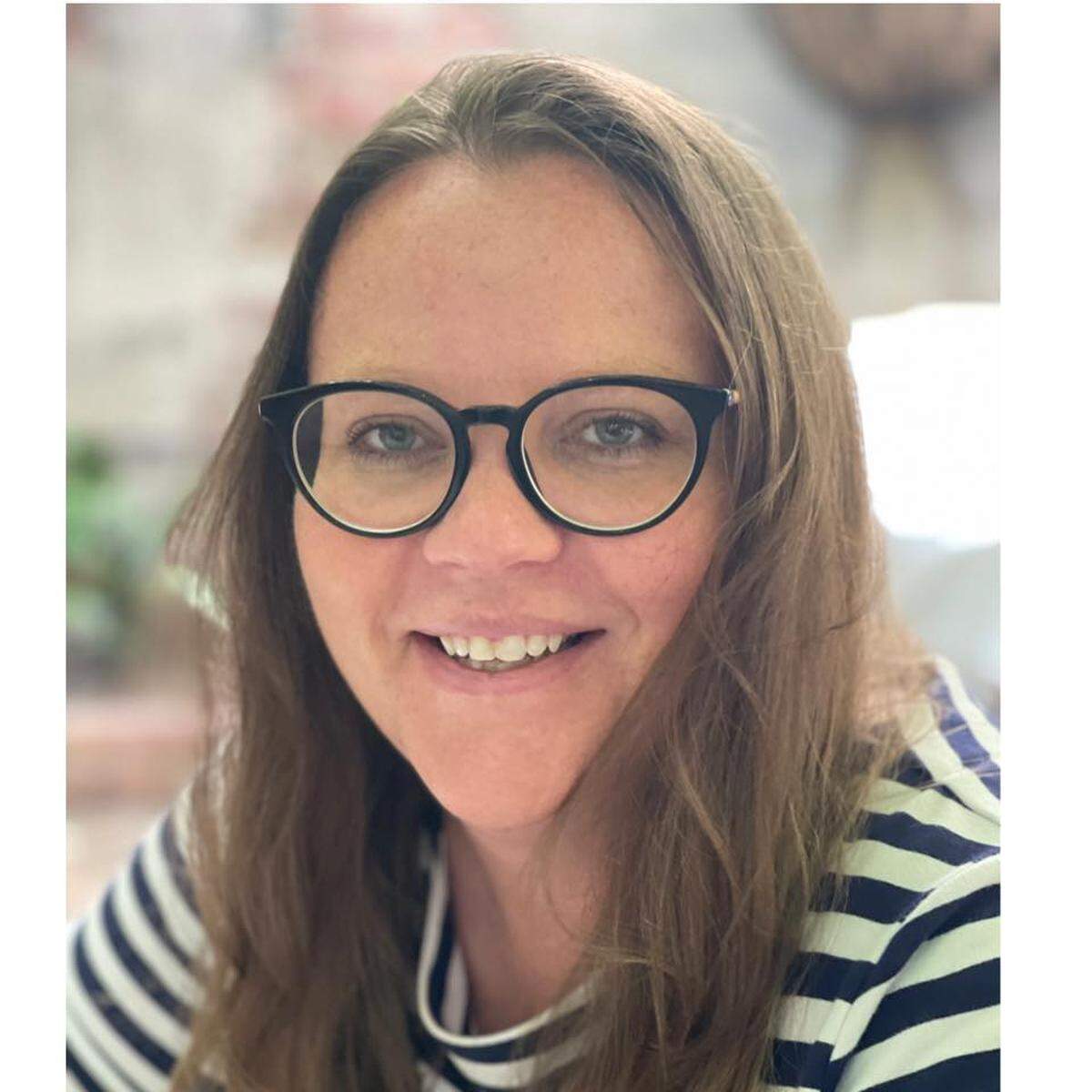
Mandi Fugate Sheffel is a writer and the owner of Red Spotted Next, an indie bookstore in Hazard.