
SB 16 would hide abuse of animals and humans. Beshear right to veto it. | Opinion
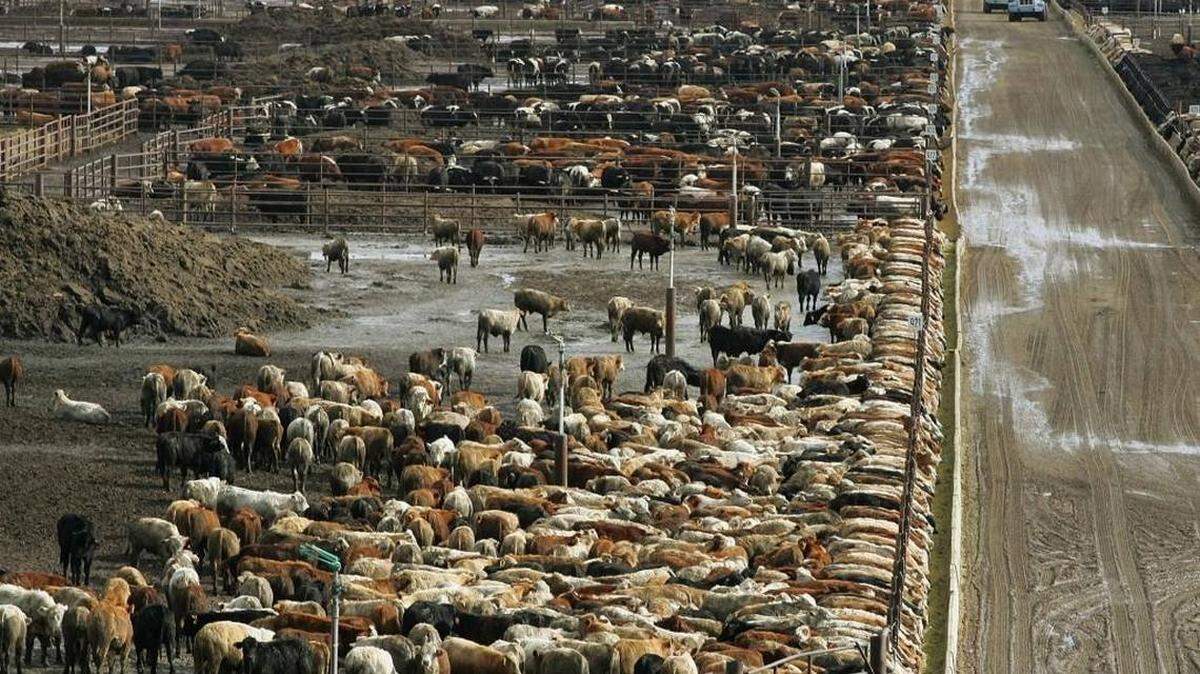
Governor Beshear rightly vetoed SB 16, an “ag-gag” measure that would have significantly risked the commonwealth’s reputation. The proponents of SB 16 sought to criminalize efforts to document illegal conduct and practices on factory farms or in food processing facilities like slaughterhouses. Supporters insist it would protect agricultural interests, but the breadth of opposition to SB 16 tells the real story. The true impact of SB 16 would be far-reaching, highly detrimental and embarrassing to our state.
Labor unions, environmental groups, animal welfare organizations, free speech groups and the Kentucky Press Association have all voiced their concerns. SB 16 isn’t about protecting farms or businesses operating in good faith and consistent with good values; it is about silencing those who, in the public interest, might expose wrongdoing by multinational conglomerates in relation to things like workplace safety, human health, food security and animal cruelty.
The animal welfare implications of the measure are particularly troubling. In the past, whistleblowers at CAFOs and slaughterhouses have exposed shocking instances of animal cruelty and food safety violations, and their revelations have led to important reforms and increased public awareness. By criminalizing such investigations and exposure, SB 16 would create an environment in which cruelty and misconduct could go undiscovered and unchecked, harming animals and putting human health at risk.
Child labor is another disturbing aspect of SB 16. Just last year, at a Kentucky slaughterhouse, operators forced children to work in dangerous conditions in violation of federal law. A measure like SB 16 would make it all but impossible to document such abuses. It’s no wonder that the United Food and Commercial Workers Local 227, representing thousands of Kentucky food processing workers, strongly opposes the measure, understanding that it would shield businesses that perpetuate unsafe working conditions for adults and children.
SB 16, if enacted, will likely face costly legal challenges. Similar laws in other states have been struck down as unconstitutional violations of First Amendment rights, with states being required to fork over hundreds of thousands of taxpayer dollars in attorney costs to ag-gag opponents.
The economic impact of SB 16 extends beyond potential legal battles. By obstructing transparency, the measure would damage the reputation of Kentucky’s agricultural industry. Consumers increasingly value responsible food production practices. Any law that appears to protect potential wrongdoing will erode trust in Kentucky’s proud agricultural heritage.
Transparency is vital to any industry, but it is especially necessary in those industries where concerns about animal welfare, food safety and workers’ rights frequently come into consideration. Put simply: SB 16 goes too far down the wrong road. In rejecting this bill, the governor has reaffirmed Kentucky’s status as a state that prioritizes both responsible agriculture and public accountability. The legislature, in letting the governor’s veto stand, has an opportunity to do the same.

Todd Blevins is the Kentucky State Director for the Humane Society of the United States. He is a native of Bath County and lives in Richmond.
This story was originally published April 12, 2024 at 10:37 AM.