
Academia’s emphasis on job training harms free speech, bodes ill for democracy | Opinion
The almost exclusive focus on preparing students for the workforce is undermining what should be a central feature of any university’s mission: education for democracy.
My own University of Kentucky students revealed this to me in my undergraduate seminar about campus speech controversies. Concerned about reports of self-censorship, overly-sensitive students and intolerance toward unpopular viewpoints on campus, I offered a class addressing many of today’s hot-button issues in higher ed: free expression, hate speech, DEI, cancel culture, and campus reactions to the Middle East war.
I learned two key things from my students. First, these young people are thirsty for this kind of education. They are not afraid to discuss difficult, delicate topics if given the chance. Second, they have few opportunities to get this kind of education.
Needless to say, chilled speech is antithetical to the very notion of education. Learning occurs when opinions and ideas are challenged, and exposure to opposing viewpoints creates opportunities to correct errors and solidify one’s knowledge. This cannot happen without open communication. Silence is also bad for our democracy, which relies on the citizen’s ability to give and receive criticism and disagree robustly, yet respectfully, with fellow citizens. College should be an ideal environment for honing these skills. It should train youth for participation in a democratic society.
But my students describe their college experience as an impediment to acquiring these skills. College, they lament, is only about getting a job . . . and getting it fast. High tuition and the need to minimize debt require that they graduate as quickly as possible. Most of them have part- or even full-time jobs. They don’t have time to disagree thoughtfully about the most pressing questions of our day. Their parents, who are often footing the bill, are not the only ones urging them to hurry. Pressure comes from the university itself. Academic advisers (who are simply doing their job) often counsel students to avoid classes that delay “time to degree.” Onerous course requirements in vocational majors leave little room for a broad-based education where one might find classes dedicated to training in democratic citizenship. My students, most of whom were majoring in the applied sciences, business or some other career-oriented field, admitted they avoid courses that do not directly contribute to their professional ambitions. They don’t have time for democracy.
When asked what they thought the purpose of a college education is, not a single student offered an answer other than job training. No one had ever asked them such a question before. No one had ever mentioned to them that their education might serve an end beyond their own individual, material pursuits. No one had ever mentioned that constructive, respectful disagreement around controversial topics with people of different beliefs and backgrounds might serve some larger societal purpose. No one had ever suggested that they seek out courses devoted to this purpose. I don’t fault the students. It is the job of the university to offer these courses, explain why they matter, and direct students to them.
My class was unlike their other classes. It was smaller and it moved at a slower pace. Most of their classes were large lectures. Ours was one of the few in which students learned their classmates’ names, a first step to building the trust and respect needed for difficult conversations and constructive disagreement. We took lots of time to mull over competing interpretations of readings and try out not-fully-formed ideas in the hopes that open discussion might make them more solid. Success in their other classes required memorizing information and reproducing it on exams. Success in our class required collaborating, compromising and crafting imperfect solutions to intractable problems.
One graduating senior, a science major, said this was only the second class in his entire college career in which there was sustained discussion of questions for which there was no clear right or wrong answer. He found the experience humbling. His tentative answers emerged slowly through careful reading and unhurried conversation with a small group of trusted fellow seekers of knowledge. Only two of his 40 classes—a mere 5% of his entire undergraduate curriculum—afforded him a learning experience of this kind. That is not enough if we hope to educate our youth for democracy.
I share this vignette from the academic trenches to expose an overlooked cause of the campus speech problem: the view of the university as, first and foremost, job training. This view, coupled with rising tuition and debt, forces our students and their families to view higher education as solely an individual endeavor in pursuit of material gain. Anything not aligned with that goal—such as classes about free expression and open inquiry—seems extraneous. This blinkered view of the university’s mission chills speech because it denies students the opportunities to practice the kind of speech that trains them for democratic citizenship. It chills speech because it denies them the time and space to speak constructively. If we believe in the values of free expression and open inquiry as much as we claim to, and if we believe that these values are fundamental to both higher education and a vibrant democracy, then we must make the university something more than job training.
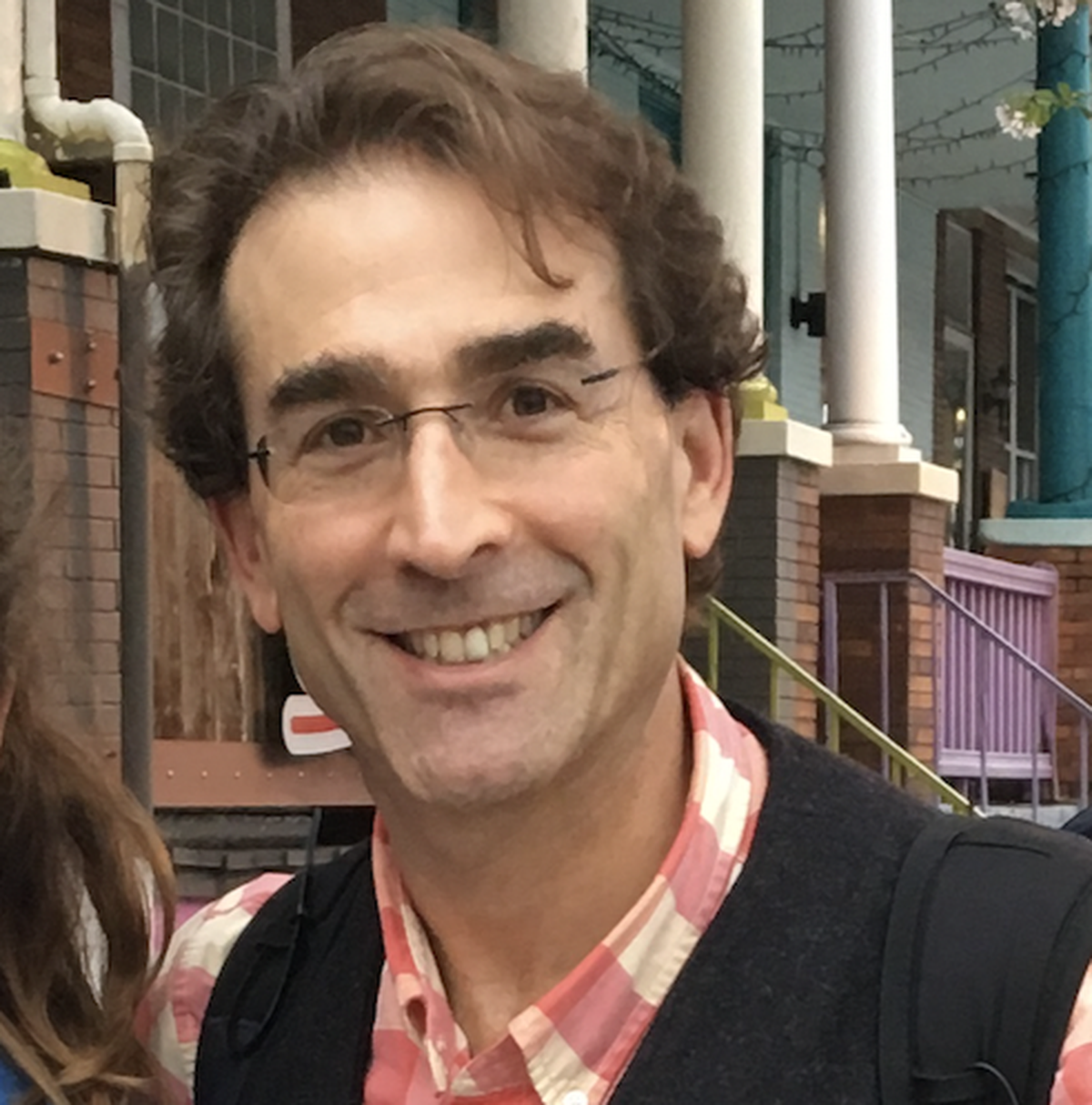
Leon Sachs is an Associate Professor of French at the University of Kentucky.